
When something goes wrong with your home’s electrical system, the temptation to fix it yourself is understandable — especially for small, seemingly simple problems. But electrical work carries real risks of shock, fire, and code violations that can affect your insurance and home value. This guide clarifies exactly what’s safe to DIY, what requires a licensed electrician, and why the line exists where it does.
Contents
⚡ Key Takeaways
- Some basic electrical tasks are genuinely safe for a competent homeowner with no special training:
- The following tasks must be performed by a licensed electrician in most jurisdictions — and attempting them without training creates genuine safety and legal risks:
- Shock and Electrocution 120V household current can cause cardiac arrest.
What You CAN Safely Do Yourself
Some basic electrical tasks are genuinely safe for a competent homeowner with no special training:
- Replacing light bulbs — including in fixtures, with the fixture turned off
- Resetting a tripped GFCI outlet — press the reset button; if it trips again, call an electrician
- Resetting a tripped circuit breaker — once; if it trips again immediately, stop and call an electrician
- Replacing a like-for-like light fixture — with the circuit turned off at the breaker, confirmed with a non-contact tester
- Installing plug-in smart home devices — smart bulbs, plug-in outlets, battery sensors
- Installing a ceiling fan on an existing fan-rated box — with power off and confirmed dead
The key: the circuit must be confirmed off before touching any wiring, using a non-contact voltage tester — never just relying on the switch position.
What You Should NOT Do Yourself
The following tasks must be performed by a licensed electrician in most jurisdictions — and attempting them without training creates genuine safety and legal risks:
- Any work inside the electrical panel — including replacing breakers
- Running new circuits or adding new wiring
- Installing outlets, switches, or fixtures in new locations (not like-for-like replacements)
- Installing a hardwired appliance, EV charger, or 240V circuit
- Any work requiring a permit (which most new electrical work does)
- Working with aluminum wiring or knob-and-tube systems
- Any work where you’re uncertain what the wires are or do
Why DIY Electrical Work Is Risky
Shock and Electrocution
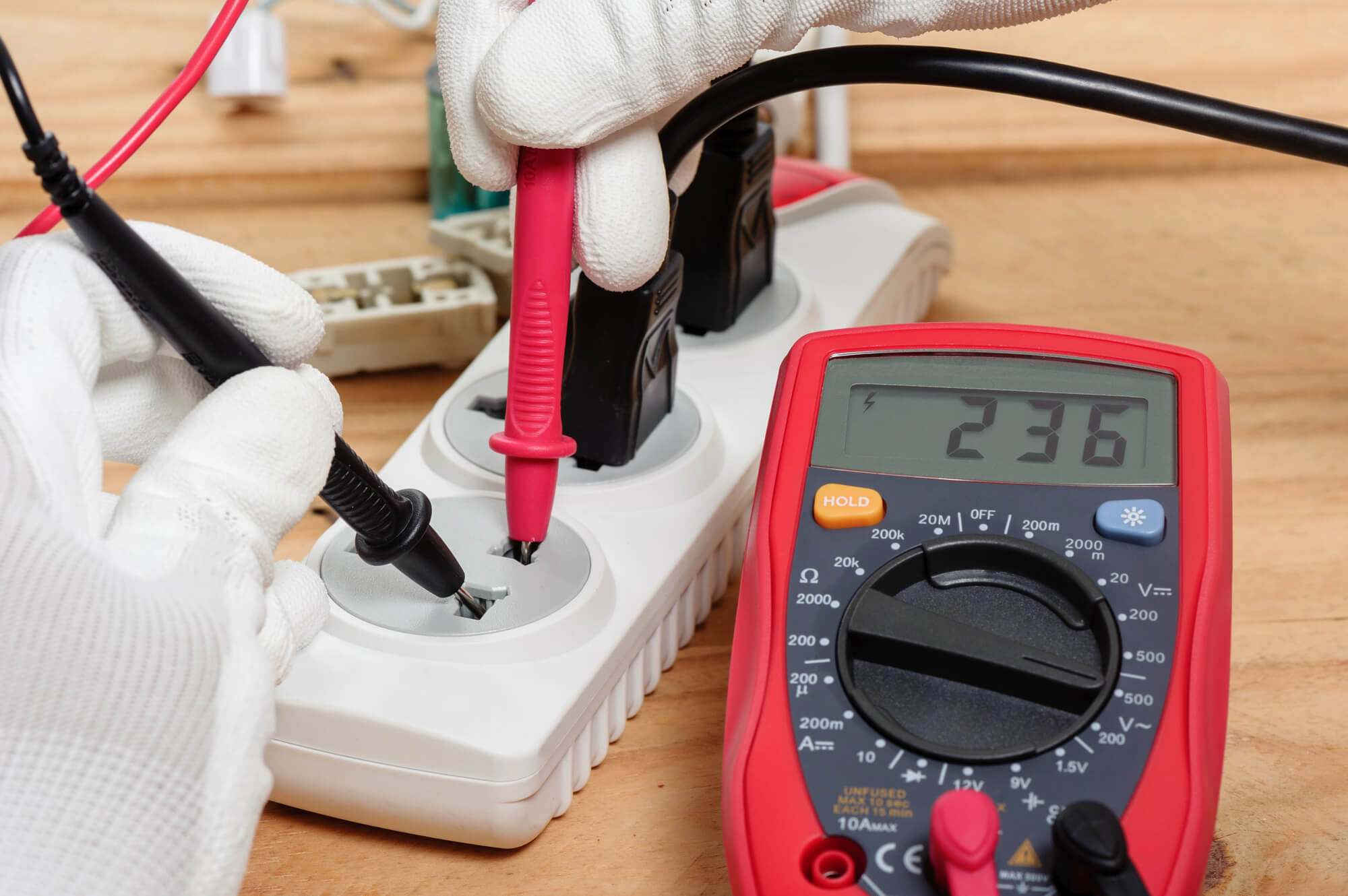
120V household current can cause cardiac arrest. The risk isn’t just from obvious live wires — many circuits remain energized regardless of switch position, and some home wiring configurations aren’t intuitive even to experienced DIYers.
Fire
Improper connections — loose wire nuts, undersized wire for the load, wires connected outside junction boxes — are among the leading causes of house fires. These failures often develop slowly and may not become apparent until months or years after the work was done.
Insurance and Legal Consequences
Unpermitted electrical work can void your homeowner’s insurance coverage for fire damage caused by that work. It can also complicate or block home sales when discovered during inspection. Doing the work legally protects your investment.
Some electrical tasks truly require a licensed professional. Our repair team handles everything from outlet replacements to full rewires — safely and to code.
The Golden Rule: When in Doubt, Call an Electrician
If you’re unsure whether a task is within your ability, or if you discover something unexpected during a repair — stop. The cost of a professional consultation or repair is always less than the cost of an electrical fire or injury. Licensed electricians are equipped to diagnose and repair safely what homeowners often can’t safely evaluate.
Frequently Asked Questions
Can I replace an outlet myself?
In many states, homeowners are legally permitted to replace a like-for-like outlet in their own home without a permit. However, the circuit must be confirmed off with a voltage tester, the replacement must be the correct type (GFCI where required), and proper wiring technique must be used. If you’re unsure, hire a licensed electrician.
Is it legal to do electrical work in my own home?
Most jurisdictions allow homeowners to perform certain minor electrical work in their own primary residence without a license. However, work that requires a permit must still be inspected. Rules vary significantly by location — check your local building department for specific allowances.
What’s the most dangerous DIY electrical mistake?
Working on what you believe is a dead circuit without confirming it with a voltage tester. Many fires and electrocutions result from this exact mistake. Always use a non-contact voltage tester before touching any wire, regardless of how certain you are the power is off.
How do I find out if electrical work requires a permit in my area? Most jurisdictions have adopted the National Electrical Code (NEC) as their baseline standard, so
Contact your local building or permitting department. Many municipalities have online permit requirements posted. As a general rule: any new circuit, new outlet location, panel work, or major appliance connection requires a permit in most jurisdictions.