
Electrical emergencies don’t follow business hours. Whether it’s a burning smell from your panel at midnight, sparking wiring after a storm — situations the U.S. Consumer Product Safety Commission (CPSC) classifies as urgent electrical hazards —, or a complete power loss that won’t resolve, knowing what to expect from a 24/7 emergency electrician helps you respond confidently when the stakes are highest. This guide covers when to call, what happens during an emergency visit, and how to find a reliable emergency electrician in your area.
⚡ Key Takeaways
- Not every electrical problem requires an after-hours call.
- If there is any smoke or flames, evacuate immediately and call 911 before calling an electrician If safe to do so, turn off the main breaker to reduce the risk of ongoing arcing or
- When your emergency electrician arrives, they will:
What Qualifies as an Electrical Emergency?
Not every electrical problem requires an after-hours call. But these situations do:
- Burning smell from the electrical panel, outlets, or inside walls
- Visible sparks, arcing, or flames from any electrical component
- Breakers that trip and won’t reset, leaving critical systems without power
- Electric shock received by anyone in the household
- Complete power loss when neighbors have power and the main breaker appears fine
- Flooding or water intrusion near the electrical panel or wiring
- Storm damage to your service entrance, meter, or weather head
- Exposed live wiring discovered suddenly during renovation or after pest damage
What to Do Before the Electrician Arrives
- If there is any smoke or flames, evacuate immediately and call 911 before calling an electrician
- If safe to do so, turn off the main breaker to reduce the risk of ongoing arcing or fire
- Keep everyone away from the affected area
- Do not attempt temporary repairs — tape, wire nuts applied to live wires, or resetting breakers repeatedly can make the situation worse
- Have your address and a clear description of the problem ready when you call
What to Expect During an Emergency Electrical Visit
When your emergency electrician arrives, they will:
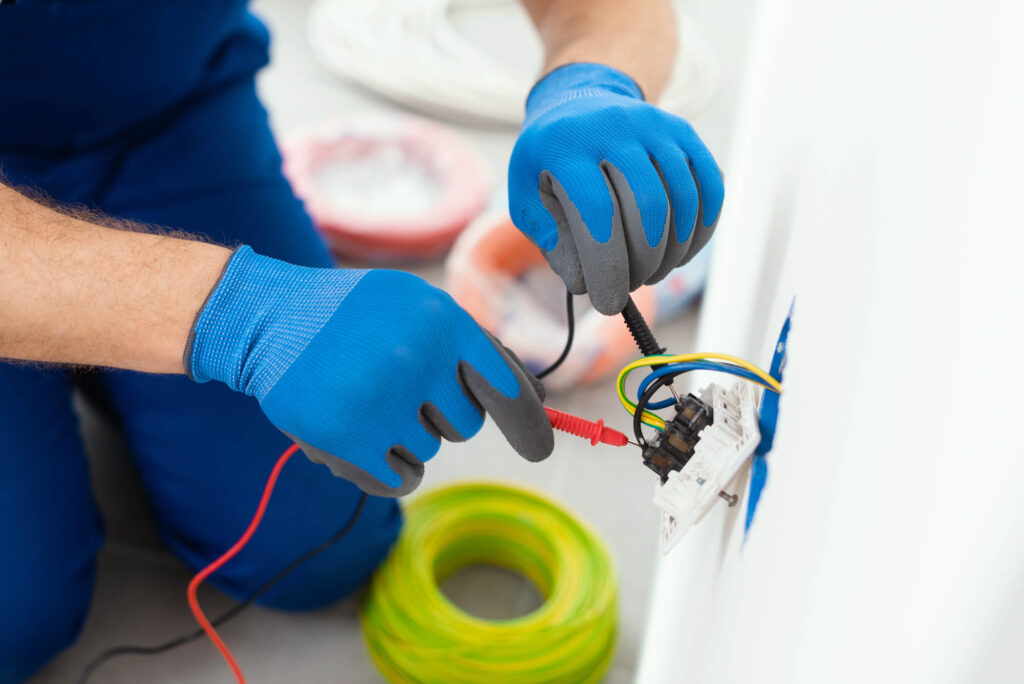
- Assess the situation safely using voltage testing equipment before touching any components
- Identify the source of the problem — whether it’s a failed breaker, damaged wiring, water intrusion, or a panel issue
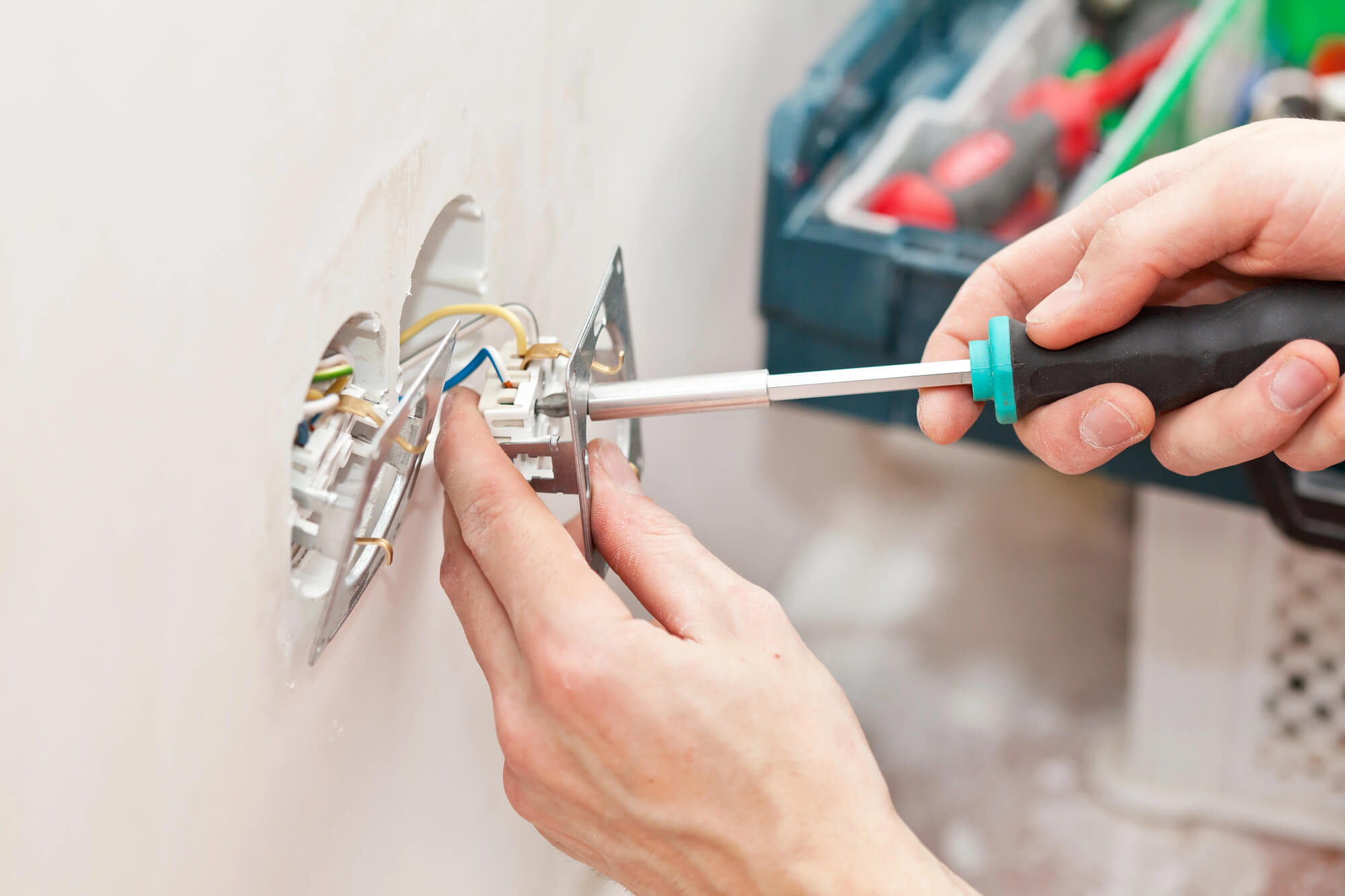
- Restore safe conditions — this may mean making an immediate repair, isolating the affected circuit, or recommending the main breaker remain off until a full repair can be completed
- Explain the findings and options clearly so you can make an informed decision about next steps
How Much Does an Emergency Electrician Cost?
Emergency and after-hours electrical service typically costs more than standard scheduled work. Expect:
- Emergency call-out fee: $150 – $400 for evenings, weekends, and holidays
- Hourly rate (emergency hours): $100 – $200 per hour (1.5–2x standard rates)
- Repair costs: Standard parts and labor pricing applies on top of the call-out fee
While emergency rates are higher, the cost of not addressing a genuine electrical emergency — in property damage, insurance claims, or personal injury — vastly exceeds the premium for after-hours service.
How to Find a 24/7 Emergency Electrician
The best time to identify an emergency electrician is before you need one. Research and save a number now so you’re not searching in a crisis. Look for:
- Licensed and insured electricians in your area with verified 24/7 availability
- Strong recent reviews specifically mentioning emergency response
- Clear stated response times (ideally under 60 minutes for local service)
- Transparent after-hours pricing posted on their website or provided upfront over the phone
When you need an electrician fast, we’re here. Our same-day emergency service covers your area — call now and get a licensed electrician to your door quickly.
How to Prevent Electrical Emergencies Before They Happen
Many electrical emergencies are preventable with basic maintenance and awareness. Have your home’s electrical system inspected by a licensed electrician every 3 to 5 years, or immediately if you notice any warning signs like flickering lights, buzzing outlets, or frequent breaker trips. Keep electrical outlets and switches clear of moisture and never use damaged cords or outlets—these are fire hazards. Avoid overloading circuits by using too many high-wattage devices simultaneously. If you frequently blow breakers when running appliances, you likely need additional circuits installed. Don’t ignore burning smells, discolored outlets, or heat coming from walls—these are signs of serious electrical problems that require immediate professional attention. Replace dated outlets and switches, especially in wet areas like bathrooms and kitchens, with modern GFCI and AFCI-protected versions. Keep an eye on your electrical panel for signs of corrosion, water damage, or rust. If your home is more than 40 years old and has never had major electrical upgrades, consider having a full system evaluation to identify safety hazards.
When to Call an Emergency Electrician vs. a Regular Service Call
True electrical emergencies require immediate attention because they pose immediate fire, shock, or electrocution hazards. Call an emergency electrician if there’s a burning smell in your walls or from outlets, visible sparks or flames, a breaker that won’t reset, complete loss of power to your home or a major portion of it, or water near your electrical panel. Also call immediately for shock hazards—if you feel tingling when touching metal fixtures or outlets. For less urgent problems—like a dead outlet, a light fixture that won’t work, or a breaker that trips occasionally—you can schedule a regular service appointment during business hours. Regular appointments typically cost less because there’s no emergency surcharge, though you may wait a day or two for availability. Emergency calls outside normal hours usually cost 1.5 to 3 times the standard rate and may include a higher service charge. When you call, describe the problem clearly—emergency dispatchers use this information to prioritize calls and determine whether the electrician can address it when they arrive or if additional equipment is needed.
Questions to Ask Before Hiring an Emergency Electrician
Before you hire an emergency electrician, ask six critical questions to protect yourself from surprise charges and ensure you’re getting qualified service. First, confirm they are licensed in your state—ask for their license number and verify it with your state’s electrical licensing board. Second, ask about their pricing structure: do they charge a flat rate for the service call or bill hourly labor? Some emergency electricians charge $150–$300 just to show up, while others charge $100–$200 per hour. Third, clarify whether the dispatch fee (the charge just for coming out) gets credited toward your total bill or is a separate charge on top of labor and materials.
Fourth, request a written estimate before they start work. A professional electrician will provide a scope of work, itemized parts costs, and labor hours so you know the total before repair begins—this prevents being trapped into expensive work you didn’t authorize. Fifth, ask if they pull permits for the work. Some jurisdictions require permits for emergency repairs; a licensed electrician will know the requirement and handle paperwork. Finally, ask about their availability for follow-up: if the problem recurs within 24–48 hours, will they return at no charge? Getting answers to these six questions upfront protects you from billing surprises and ensures you’re working with a professional who stands behind their work.
Frequently Asked Questions
Should I call 911 or an emergency electrician first?
If there are flames, smoke, or anyone has been seriously injured — call 911 first. If the situation is dangerous but not yet an active fire (burning smell, sparking, power out) — call an emergency electrician immediately. Many situations that begin as electrical emergencies can escalate to fire if not addressed promptly.
Can I turn off my main breaker to make my home safe while waiting?
Yes — turning off the main breaker eliminates power to most circuits and reduces the risk of ongoing arcing or fire while you wait. Note that the service entrance conductors that feed the panel from outside remain live even with the main breaker off.
How quickly does an emergency electrician typically respond?
Most emergency electrical services aim to respond within 30–90 minutes in urban and suburban areas. Response times in rural areas may be longer. When you call, ask for a specific estimated arrival time.
Will my homeowner’s insurance cover emergency electrical repairs?
It depends on the cause. Sudden and accidental damage — such as storm damage or a failed component — is typically covered. Gradual deterioration or pre-existing conditions may not be. Contact your insurer after any emergency electrical event and document all damage before repairs begin.