
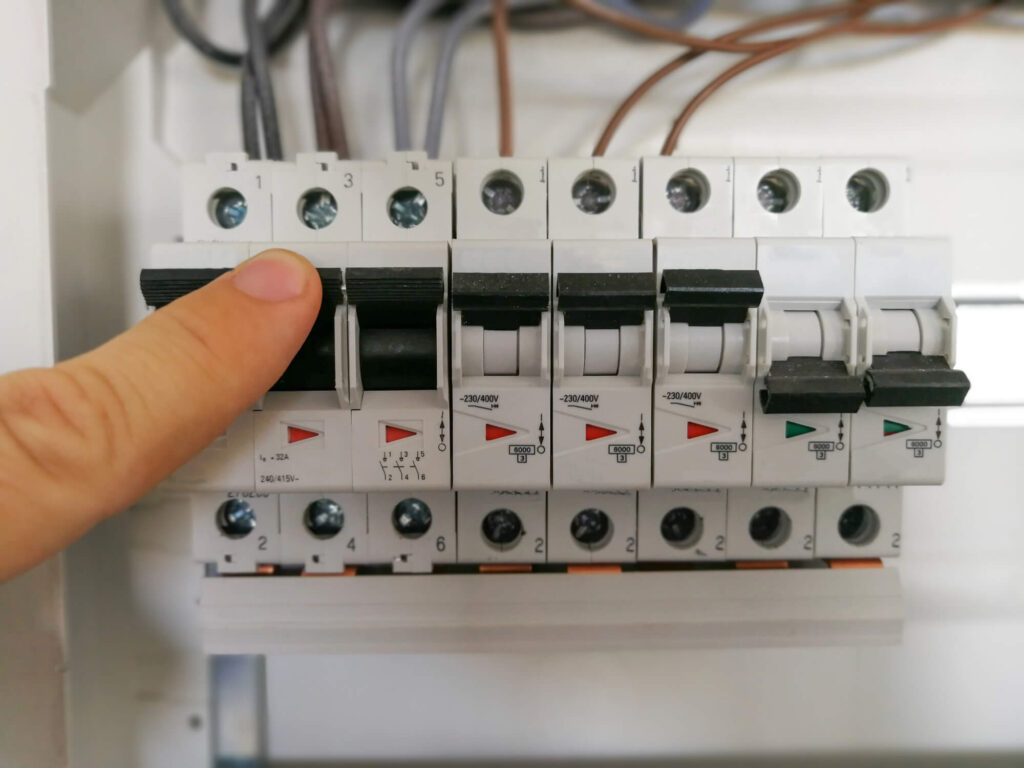
The cost to install an AFCI breaker depends on the number of circuits being protected and whether the work involves panel upgrades or new wiring. Arc-fault circuit interrupter (AFCI) breakers are designed to detect dangerous electrical arcs — one of the leading causes of home electrical fires — and shut off power before a fire can start. This guide covers installation costs, code requirements, and what to expect from the process.
Contents
⚡ Key Takeaways
- An AFCI breaker is a specialized circuit breaker that monitors the electrical waveform on a circuit and trips when it detects the signature of an arc fault — an unintended electrical discharge that can ignite nearby combustibles.
- AFCI breakers cost significantly more than standard breakers due to their advanced detection circuitry.
- The National Electrical Code (NEC) has expanded AFCI requirements significantly in recent updates.
What Is an AFCI Breaker?
An AFCI breaker is a specialized circuit breaker that monitors the electrical waveform on a circuit and trips when it detects the signature of an arc fault — an unintended electrical discharge that can ignite nearby combustibles. Unlike standard breakers that only trip under overload or short circuit conditions, AFCI breakers provide protection against the kind of low-level arcing that occurs in damaged wiring, loose connections, and aging insulation.
Average Cost to Install AFCI Breakers
AFCI breakers cost significantly more than standard breakers due to their advanced detection circuitry. Typical costs include:
- AFCI breaker (single-pole, 15–20 amp): $35 – $65 per breaker (hardware only)
- Installation labor per breaker: $75 – $150 per circuit
- Total cost per circuit (parts and labor): $110 – $215
- Whole-home AFCI upgrade (10–20 circuits): $1,000 – $4,000
Combination AFCI/GFCI breakers, which protect against both arc faults and ground faults, cost $50 – $85 per breaker plus installation.
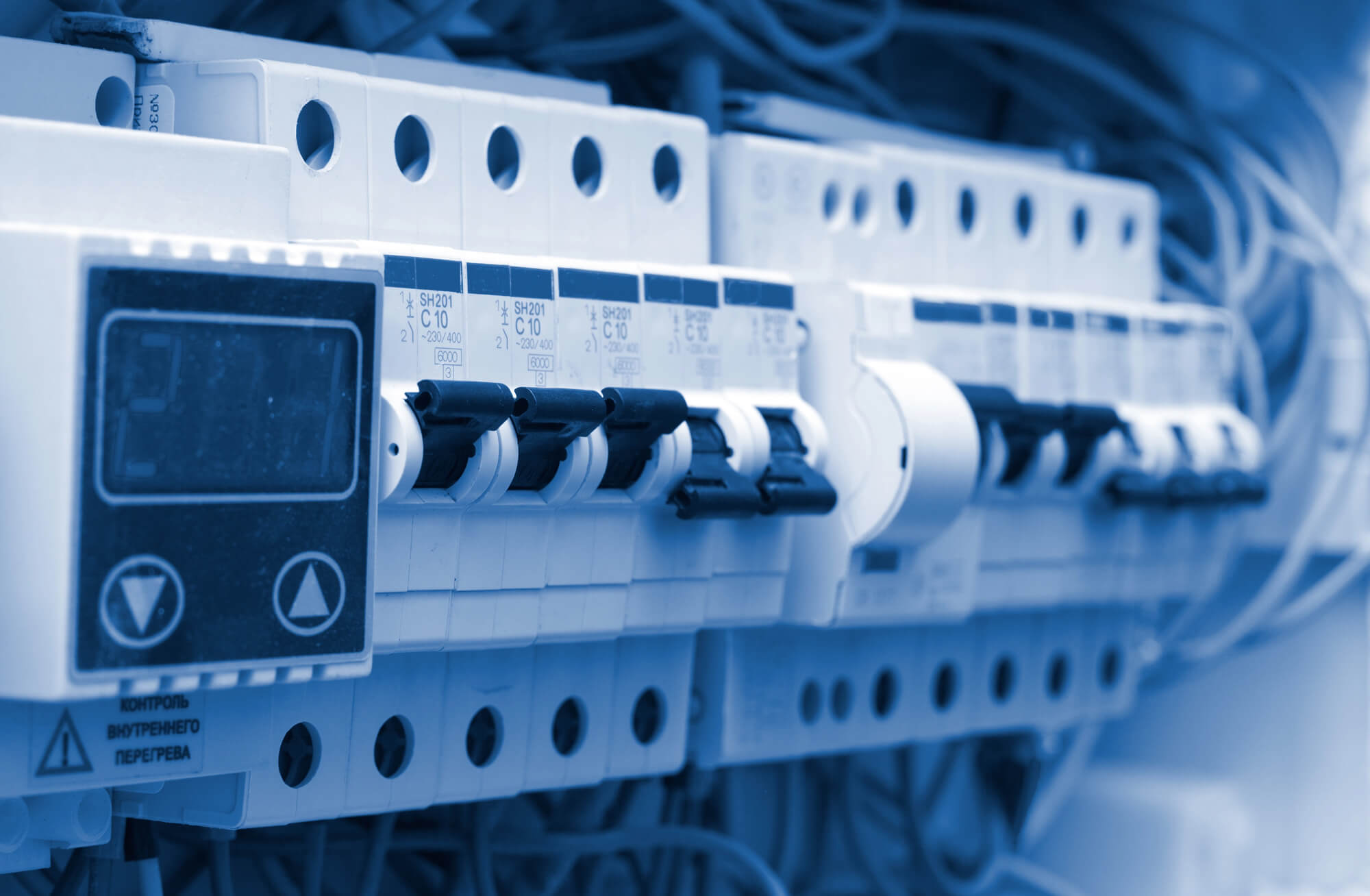
Which Circuits Require AFCI Protection?
The National Electrical Code (NEC) has expanded AFCI requirements significantly in recent updates. As of the 2020 NEC, AFCI protection is required for virtually all 15- and 20-amp, 120-volt circuits in dwelling units, including:
- Bedrooms, living rooms, dining rooms, and family rooms
- Kitchens, laundry areas, and bathrooms
- Hallways, closets, and garages
- Unfinished basements and crawl spaces
Local adoption of NEC standards varies — your electrician can confirm which circuits require AFCI protection under your jurisdiction’s current code.
AFCI Breaker vs. AFCI Outlet
AFCI protection can be provided by either a breaker at the panel or by an AFCI outlet at the first outlet on a circuit, which protects all downstream outlets. AFCI outlets cost $25 – $50 per unit and may be a cost-effective alternative when upgrading individual circuits in older homes where a full panel replacement isn’t feasible.
AFCI breakers are among the most effective fire-prevention upgrades available. Our electricians can install AFCI breakers in your existing panel — often in under an hour per circuit.
When to Hire a Licensed Electrician
AFCI breaker installation always requires a licensed electrician — it involves working inside your main electrical panel, which contains live components even when the main breaker is off. A licensed electrician will:
- Assess which circuits require AFCI protection under local code
- Install compatible AFCI breakers for your specific panel brand
- Test each breaker to confirm proper operation
- Pull permits if required by your municipality
Frequently Asked Questions
Do AFCI breakers trip more often than standard breakers?
AFCI breakers can occasionally nuisance-trip due to electromagnetic interference from certain appliances (older motors, power strips, etc.). If you experience frequent unexplained trips, an electrician can diagnose whether it’s a true arc fault or a compatibility issue.
Can I replace my own breakers with AFCI breakers?
Breaker replacement requires working inside a live electrical panel. This work must be performed by a licensed electrician in most jurisdictions and should never be attempted by an untrained homeowner.
Are AFCI breakers required in older homes?
AFCI requirements typically apply to new construction and significant renovations. However, retrofitting AFCI breakers in older homes is strongly recommended, as aging wiring is more susceptible to arc faults that can cause fires.
How long do AFCI breakers last?
AFCI breakers typically last 15–20 years under normal conditions, similar to standard breakers. They should be tested annually by pressing the test button and confirming they trip and reset properly.