
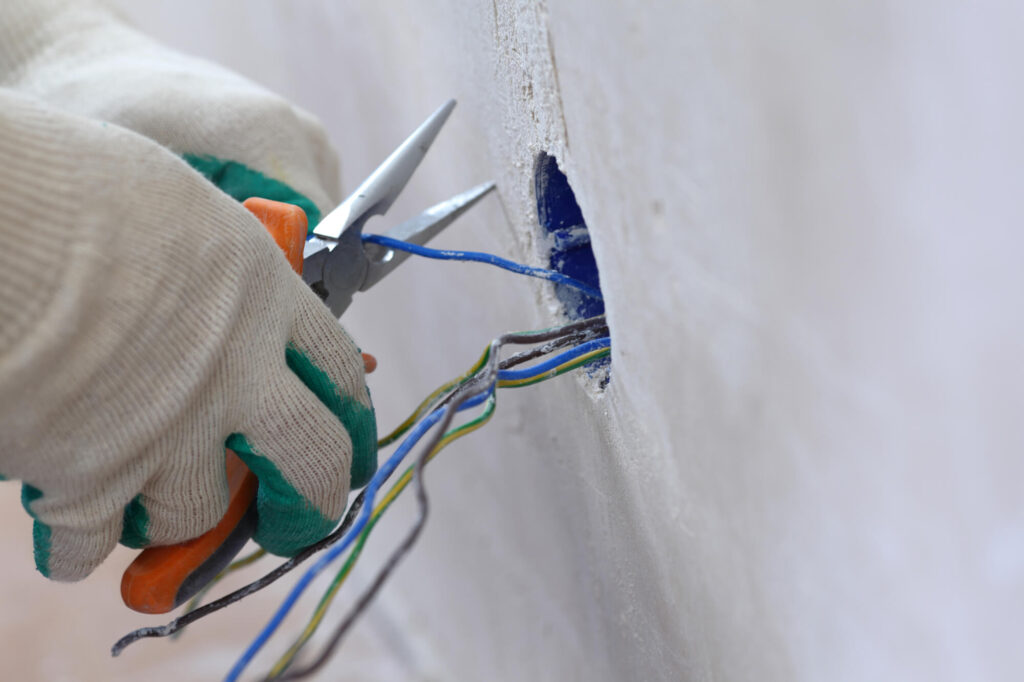
The cost to install smoke detectors depends on the number of units, whether they are hardwired or battery-operated, and whether they include carbon monoxide detection. Properly installed smoke detectors are one of the most important life-safety measures in any home. This guide covers typical installation costs, detector types, and code requirements to help you make an informed decision.
Contents
⚡ Key Takeaways
- Smoke detectors fall into three main categories, each with different cost and installation requirements:
- Most building codes require hardwired, interconnected smoke detectors in new construction.
- Building codes typically require smoke detectors in the following locations:
Smoke Detector Types and Their Costs
Smoke detectors fall into three main categories, each with different cost and installation requirements:
- Battery-operated detectors: $15 – $60 per unit; no electrician required for installation
- Hardwired detectors (120V with battery backup): $20 – $80 per unit; $75 – $150 per unit installed by an electrician
- Hardwired interconnected systems: $100 – $300 per unit; $150 – $300 per unit installed
- Smart smoke detectors (Wi-Fi or Z-Wave): $100 – $200 per unit; add $75 – $150 for professional installation
For a typical 3-bedroom home requiring 5–7 detectors, total installation costs range from $400 – $1,500 for hardwired systems.
Hardwired vs. Battery Smoke Detectors
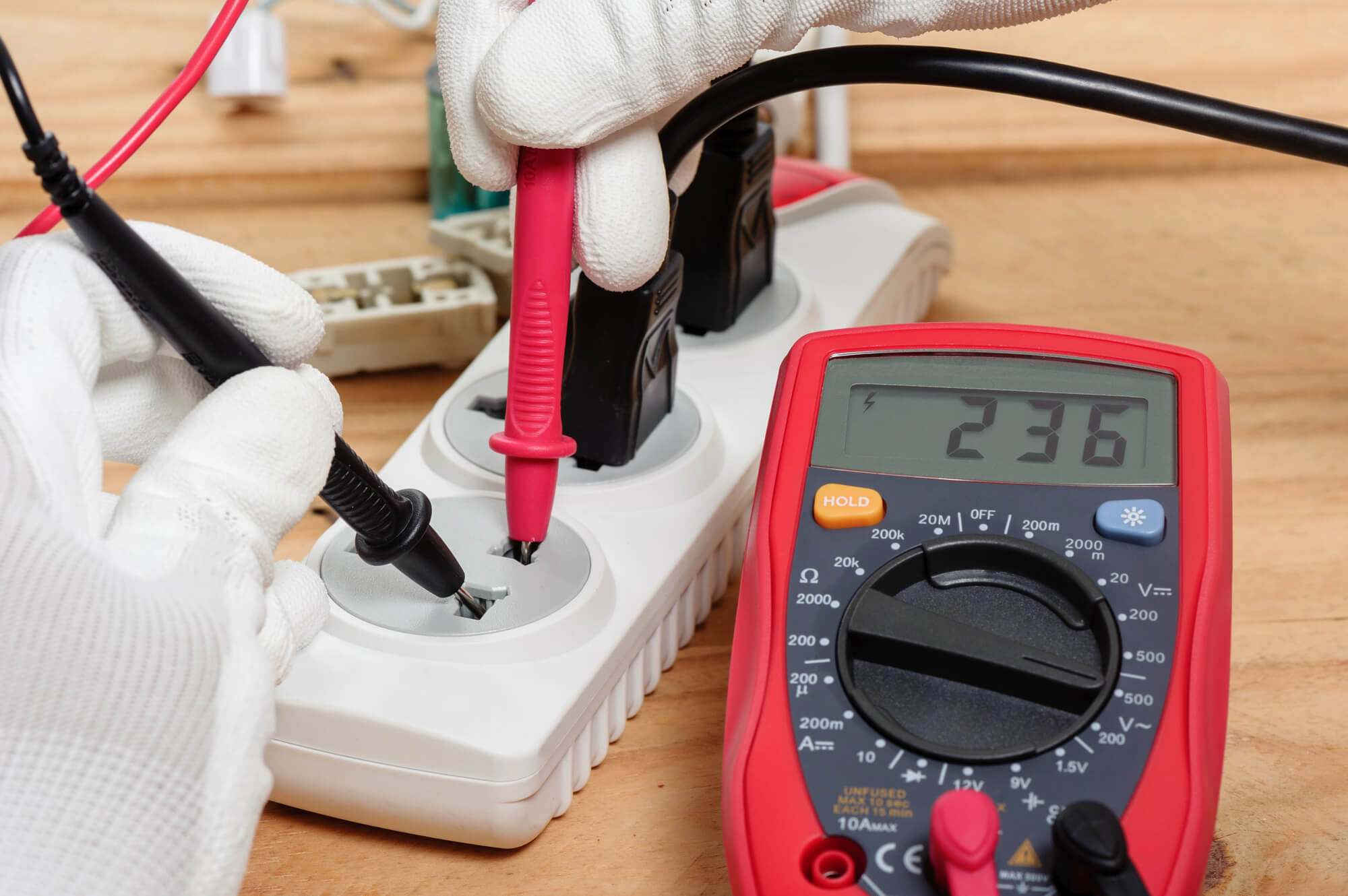
Most building codes require hardwired, interconnected smoke detectors in new construction. Hardwired detectors draw power from your home’s electrical system and include a battery backup in case of a power outage. The key advantage of interconnected detectors is that when one alarm sounds, all alarms in the home sound — giving everyone more time to escape regardless of where they are in the house.
Battery-only detectors are acceptable for replacement in many existing homes but do not meet new construction code requirements in most jurisdictions.
How Many Smoke Detectors Do I Need?
Building codes typically require smoke detectors in the following locations:
- Inside every bedroom
- Outside each sleeping area (hallways)
- On every level of the home, including the basement
A typical 3–4 bedroom home requires 6–10 detectors to meet code. Combined smoke and carbon monoxide detectors are permitted to serve dual purposes in most jurisdictions.
Additional Cost Factors
Interconnection Wiring
Running new wiring to interconnect multiple hardwired detectors adds $100 – $300 per detector location in finished homes where walls must be opened and patched.
Replacing Non-Interconnected Detectors
Replacing existing standalone detectors with interconnected units requires running new wiring between locations, which significantly increases labor cost in finished homes.
Hardwired smoke detectors are more reliable than battery-only units. Our electricians can install interconnected hardwired detectors throughout your home quickly and affordably.
When to Hire a Licensed Electrician
Hardwired smoke detector installation requires a licensed electrician. You should also call a professional when:
- Installing interconnected systems in a finished home
- Running new circuits to detector locations
- Replacing an entire outdated smoke detection system
- Combining smoke and CO detection on a hardwired circuit
Frequently Asked Questions
How often should smoke detectors be replaced?
Smoke detectors should be replaced every 10 years regardless of whether they appear to be functioning. The sensing chamber degrades over time and becomes less reliable. Check the manufacture date on the back of each unit.
Do I need a permit to install hardwired smoke detectors?
In many jurisdictions, yes — particularly when running new wiring. An electrician will advise on local requirements and handle permits where necessary.
Can I replace a hardwired smoke detector myself?
Replacing an existing hardwired unit with the same model is typically safe for a competent DIYer — the wiring is already in place. Running new wiring or changing the circuit configuration requires a licensed electrician.
What is the best smoke detector for a home?
Hardwired, interconnected dual-sensor detectors (combining ionization and photoelectric technology) provide the most comprehensive protection. Smart detectors from brands like Nest Protect add remote alerts and app integration.