
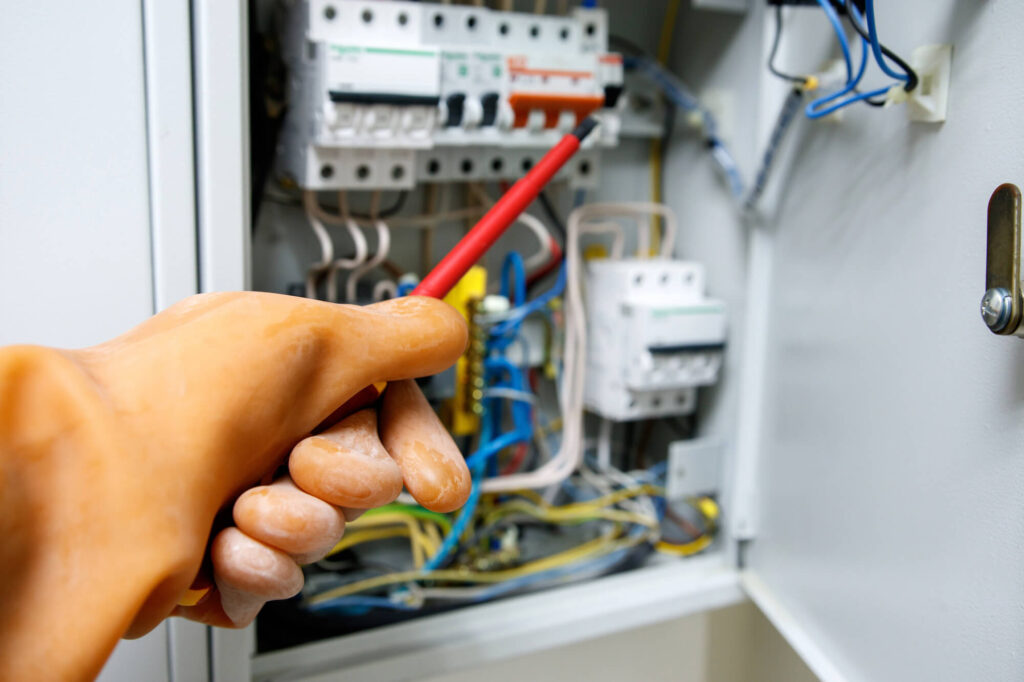
Electrical permits exist to protect homeowners — they ensure that wiring work is inspected by a qualified official and meets the requirements of the National Electrical Code (NFPA 70), which is adopted as law in most U.S. states. Skipping a required permit can cost you far more in the long run. Here’s what you need to know.
Contents
⚡ Key Takeaways
- Most new circuit work, panel upgrades, and service changes require a permit
- Simple device replacements (outlet for outlet, switch for switch) typically don’t require a permit
- Unpermitted work can void homeowner’s insurance, create mortgage issues, and cause problems when selling
- A licensed electrician will pull the required permits as part of the job
- Permit requirements vary by jurisdiction — when in doubt, check with your local building department
Electrical Work That Typically Requires a Permit
The following electrical projects generally require a permit and inspection in most jurisdictions:
- Adding new circuits to an existing panel
- Electrical panel upgrades or replacements
- Installing a new subpanel
- Installing a new 240V circuit (for EV charger, range, dryer, etc.)
- New wiring for an addition, basement finish, or garage conversion
- Installing a new electrical service (meter socket, service entrance)
- Installing new outlets in locations that didn’t previously have them
- Major rewiring projects

Work That Typically Doesn’t Require a Permit
Minor repairs and replacements on existing circuits generally don’t require a permit:
- Replacing an existing outlet with a new outlet (same type and location)
- Replacing an existing switch with a new switch
- Replacing a light fixture with another fixture
- Replacing a circuit breaker with an identical breaker (same brand, amperage)
- Repairing a damaged section of wire (in some jurisdictions)
Important: “No permit required” does not mean “no safety requirements.” All electrical work must meet code standards regardless of permit requirements. When in doubt, check with your local building department.
Consequences of Unpermitted Electrical Work
Insurance Issues
Homeowner’s insurance policies typically require that the home meets applicable building codes. Unpermitted electrical work that causes a fire or other damage may result in a denied claim. The insurer can argue the unpermitted work violated the policy’s code compliance requirements.
Problems Selling Your Home
Home inspectors routinely identify signs of unpermitted electrical work (missing permits in records, non-code-compliant wiring). Buyers may demand remediation, a price reduction, or walk away entirely. In some jurisdictions, sellers are required to disclose unpermitted work.
Safety Risks
The primary reason permits exist is safety. Inspection catches mistakes before walls are closed and before occupants are at risk. Unpermitted wiring may have dangerous errors that would have been caught in inspection.
How the Permit Process Works
- Application: The licensed electrician (or homeowner in some jurisdictions) submits a permit application describing the work
- Approval: The local building department reviews and approves the permit (often same-day for standard projects)
- Rough-in inspection: An inspector reviews the wiring before walls are closed
- Final inspection: After work is complete, a final inspection confirms everything meets code
- Certificate of completion: Issued when the project passes final inspection
Your licensed electrician handles permit applications and inspections as part of the project.
Can Homeowners Pull Their Own Permits?
In many jurisdictions, homeowners can pull permits for work on their own primary residence. However, this doesn’t mean homeowners should perform all the work themselves — safety requirements apply regardless of who pulled the permit. Check your local jurisdiction’s rules on homeowner permits, and always use a licensed electrician for complex work even if you pull the permit yourself.
Frequently Asked Questions
Do I need a permit to replace an electrical outlet?
Generally no — replacing an outlet with an identical outlet (same type, same location) is typically a minor repair that doesn’t require a permit in most jurisdictions. However, upgrading to GFCI in new locations, adding outlets, or any circuit modifications do require permits. Check with your local building department to confirm.
What happens if I do electrical work without a permit?
Consequences can include: difficulty selling your home (inspection flags unpermitted work), insurance claim denials for related damage, and required removal or remediation of unpermitted work at your expense. In some jurisdictions, fines may be assessed for unpermitted work.
Who is responsible for pulling the electrical permit?
In most jurisdictions, the licensed electrician performing the work is responsible for obtaining the required permits. A reputable electrician includes permit costs in their quote and handles all permit paperwork and inspection scheduling as part of the job.
How much does an electrical permit cost?
Electrical permit fees vary by jurisdiction and project scope, typically ranging from $50 to $250 for standard residential projects. Panel upgrades and larger projects may have higher fees. Your electrician includes these costs in the project quote.
Can I get a retroactive permit for unpermitted electrical work?
In many jurisdictions, yes — though it requires an inspection that may require exposing walls to verify the work meets code, and potentially correcting any non-compliant work. Contact your local building department to understand the process and costs for your specific situation.