
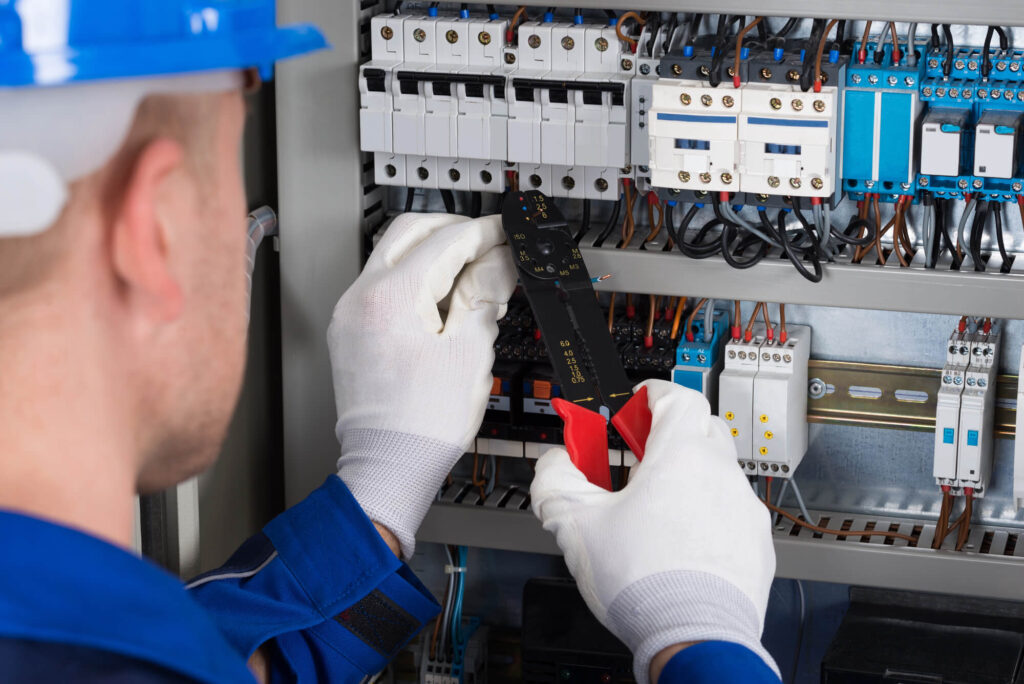
If you experience an electrical emergency such as power loss, burning smells, sparking outlets, or exposed wiring, calling an emergency electrician — the National Electrical Contractors Association (NECA) notes that after-hours and emergency rates vary by region, so getting multiple quotes from licensed contractors is always advisable may be necessary. Emergency electrical services are available outside normal business hours and provide fast response when electrical problems pose a safety risk. Understanding emergency electrician costs can help homeowners prepare for urgent repairs.
⚡ Key Takeaways
- An emergency electrician provides electrical repair services outside standard working hours.
- Emergency electrical services usually cost more than standard electrical work because technicians must respond quickly and work outside normal hours.
- Several factors can influence the cost of emergency electrical services.
What Is an Emergency Electrician?
An emergency electrician provides electrical repair services outside standard working hours. These services are typically available during evenings, weekends, holidays, and overnight when electrical problems cannot safely wait until the next business day.
Emergency electricians handle situations such as power outages, electrical hazards, burning smells, exposed wires, and dangerous breaker panel issues.
Average Emergency Electrician Cost
Emergency electrical services usually cost more than standard electrical work because technicians must respond quickly and work outside normal hours.
- Emergency service call fee: $150 – $350
- Hourly emergency electrician rate: $100 – $200 per hour
- Minor electrical repairs: $150 – $600
- Major emergency electrical repairs: $500 – $2,000+
The total cost depends on the complexity of the repair and the time required to resolve the issue.
Factors That Affect Emergency Electrician Cost
Several factors can influence the cost of emergency electrical services.
- Time of service – Nights, weekends, and holidays may have higher rates.
- Severity of the problem – Dangerous electrical faults may require more work.
- Parts and materials – Replacement breakers, wiring, or outlets add to the cost.
- Location – Prices vary depending on region and travel distance.
- Electrical system complexity – Older homes may require additional troubleshooting.
An electrician will usually inspect the problem first before providing an estimate for repairs.
Common Electrical Emergencies
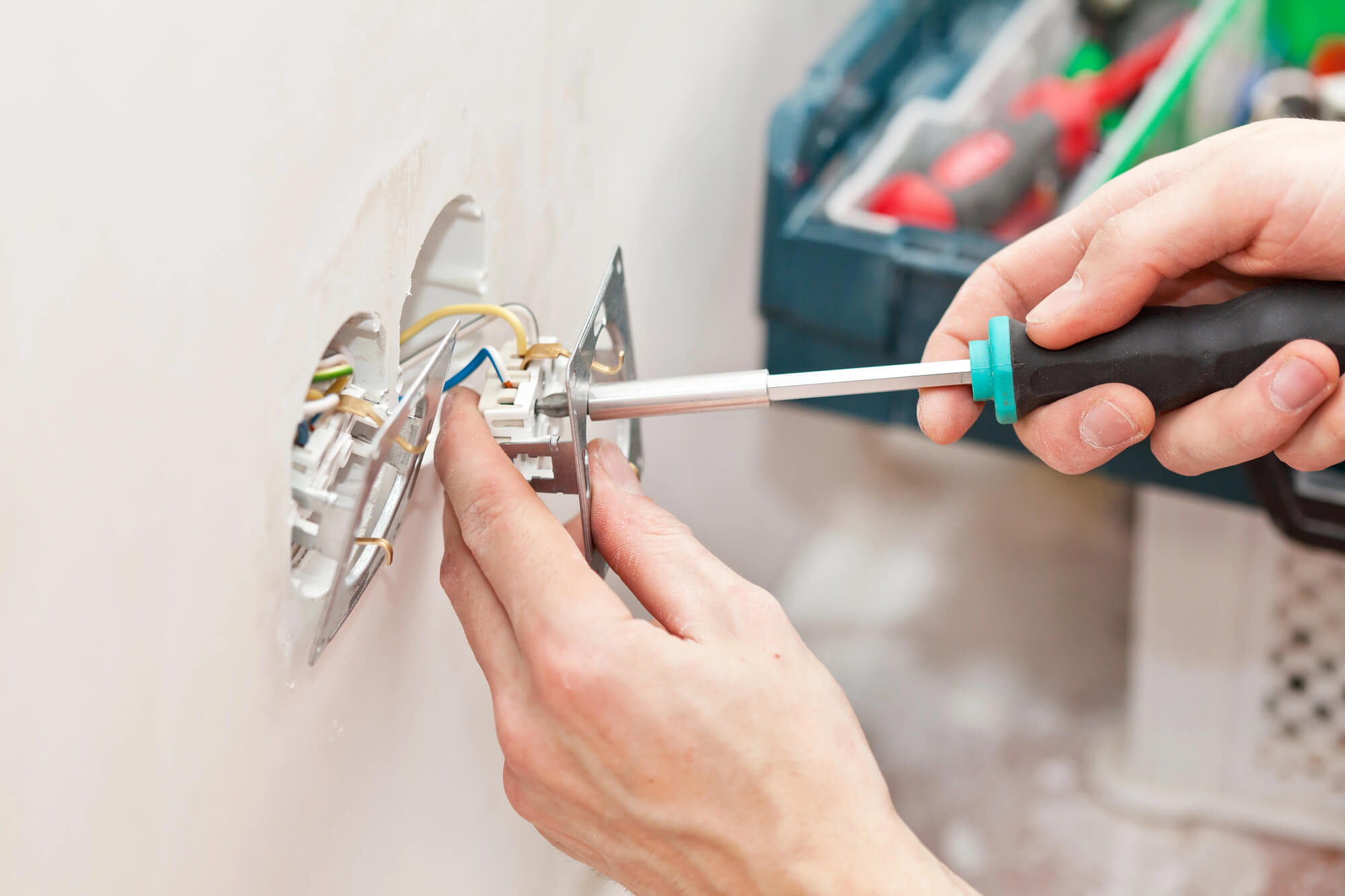
Some electrical problems require immediate attention to prevent safety hazards or further damage.
- Burning smells from outlets or panels
- Sparking outlets or switches
- Loss of power in part of the home
- Breaker panel overheating
- Exposed or damaged electrical wiring
- Electrical issues after storms or flooding
If you experience any of these issues, contacting an emergency electrician can help reduce the risk of electrical fires or shock hazards.
Emergency electrical costs are higher — but so is the cost of waiting. Our 24/7 emergency team offers transparent after-hours pricing with no hidden fees.
Local, licensed electricians available 24/7
When Should You Call an Emergency Electrician?
Not all electrical problems require immediate emergency service. However, certain situations should be addressed quickly.
- Electrical burning smells
- Smoke or sparks from outlets
- Sudden loss of power not related to a utility outage
- Breaker panel making buzzing or crackling sounds
- Water exposure near electrical wiring
If you suspect an electrical hazard, it is safer to shut off power at the breaker panel and contact a professional electrician.
Ways to Reduce Emergency Electrical Costs
Some emergency electrical issues can be prevented through proper maintenance and inspections.
- Schedule regular electrical inspections
- Replace damaged outlets or switches promptly
- Avoid overloading circuits
- Upgrade outdated electrical panels
- Repair wiring issues before they become emergencies
Preventative maintenance helps reduce the likelihood of unexpected electrical failures.
How to Reduce Emergency Electrician Costs
While emergency electrical repair is sometimes unavoidable, there are several ways to minimize costs or prepare financially for potential emergencies. First, prioritize preventive maintenance on your electrical system. Annual inspections of your electrical panel, outlets, and major appliances by a licensed electrician (typically $150–$250) can catch problems before they become emergencies. This is far less expensive than paying $3,000–$5,000 for an emergency panel repair or fire remediation. If your home has visible warning signs — such as flickering lights, warm outlets, burning smells, or a panel that is more than 40 years old — schedule an inspection during regular business hours rather than waiting for a crisis.
Second, understand what qualifies as a true electrical emergency versus an urgent but non-emergency repair. A complete power outage to your home, an outlet that is hot to the touch, arcing or sparking inside a panel, or a burning smell definitely require emergency service. However, a single tripped breaker that resets properly, a single flickering light, or an outlet that stopped working but is not showing other warning signs can usually wait until morning or the next business day. Many electricians offer early-morning or same-day appointments at regular rates for non-emergency urgent issues, which costs significantly less than after-hours service charges.
Third, keep your electrical system documented and accessible. Know where your main breaker is and how to shut off power in an emergency. This prevents worsening an issue and may allow you to call for regular (daytime) service instead of emergency service. If you experience a burning smell or visible arcing, turning off the main breaker immediately can prevent fire damage and allow you to describe the issue more accurately to the electrician, potentially enabling a faster diagnosis. Finally, consider working with a single electrician or company for all your electrical needs — many contractors offer loyalty discounts or maintenance plans for regular customers, which can offset some future emergency costs.
Understanding Emergency Service Versus Standard Service
Most electricians define emergency service as work that must be completed immediately to prevent safety hazards, fire risk, or loss of essential services such as heating or medical equipment power. True emergencies include complete home power outages, arcing or sparking, burning smells, electrical fires, or live wires that are accessible to children or pets. These situations justify emergency after-hours rates because they pose immediate danger and require a licensed electrician to respond quickly regardless of the time of day or day of the week.
Standard service covers issues that are urgent but not immediately life-threatening, such as an outlet that stopped working, a breaker that trips intermittently, or dimming lights. These issues should be addressed quickly — often within 24 hours — but can be scheduled during regular business hours. By calling an electrician early in the morning or requesting an afternoon appointment, you avoid the 2x–3x multiplier that after-hours emergency service carries. Many homeowners who call an electrician at 10 p.m. for a tripped breaker that could have been handled the next morning end up paying $800–$1,200 instead of $150–$300. Learning to distinguish between the two categories — and being proactive about scheduling during business hours — is one of the most effective ways to keep emergency electrical repair costs manageable.
Frequently Asked Questions
Are emergency electricians available 24 hours?
Yes. Many electrical service providers offer 24-hour emergency response to handle urgent electrical problems outside normal business hours.
Why do emergency electricians cost more?
Emergency services require electricians to respond quickly and work outside normal hours, which increases labor costs.
Is a burning smell from an outlet an emergency?
Yes. Burning smells from outlets or electrical panels may indicate overheating wiring and should be inspected immediately.
How quickly can an emergency electrician arrive?
Response times vary depending on location and availability, but many emergency electricians aim to respond within a few hours.
Speak With a Licensed Electrician Today
If you are experiencing an electrical emergency, fast professional help can prevent further damage and protect your home.
InstaElectricians connects homeowners with licensed electricians across the United States. Our network of professionals provides fast emergency response for electrical hazards, power outages, and urgent electrical repairs.
Whether you need immediate electrical troubleshooting or emergency repairs, help is available right now.