
Installing an electric vehicle (EV) charger at home is becoming increasingly popular as more drivers switch to electric cars. A home EV charger — the U.S. Department of Energy’s Alternative Fuels Data Center (AFDC) provides cost ranges and guidance for home EV charging installations to help homeowners budget accurately allows you to charge your vehicle faster and more conveniently than using a standard wall outlet. Understanding EV charger installation costs can help homeowners plan for this upgrade and ensure their electrical system is ready.
⚡ Key Takeaways
- The cost to install a home EV charger depends on the charger type, electrical panel capacity, wiring requirements, and labor involved.
- The type of EV charger installed affects both installation cost and charging speed.
- Several factors influence the total price of installing a home EV charger.
How Much Does EV Charger Installation Cost?
The cost to install a home EV charger depends on the charger type, electrical panel capacity, wiring requirements, and labor involved. While some installations are straightforward, others may require electrical upgrades.
- Basic Level 1 charging setup: $0 – $300 (using an existing outlet)
- Level 2 charger installation: $500 – $2,000
- Electrical panel upgrade (if required): $2,000 – $4,500+
- Long wiring runs or trenching: $500 – $2,000+
Most homeowners install a Level 2 charger, which provides much faster charging than a standard wall outlet.
Level 1 vs Level 2 EV Chargers
The type of EV charger installed affects both installation cost and charging speed.
- Level 1 Chargers – Use a standard 120-volt outlet and charge slowly. Most vehicles gain about 3–5 miles of range per hour.
- Level 2 Chargers – Use a 240-volt circuit and charge much faster, adding around 20–40 miles of range per hour.
Because of the faster charging speed, Level 2 chargers are the most common choice for home installations.
Factors That Affect EV Charger Installation Cost
Several factors influence the total price of installing a home EV charger.
- Electrical panel capacity – Homes with limited electrical capacity may require panel upgrades.
- Distance from electrical panel – Longer wiring runs increase labor and material costs.
- Charger type – Some smart chargers cost more to install.
- Permit and inspection requirements – Local electrical codes may require permits.
- Garage vs outdoor installation – Outdoor installations may require weatherproof equipment.
A licensed electrician can evaluate your home’s electrical system and determine the best installation method.
Do You Need an Electrical Panel Upgrade?
Some homes may not have enough electrical capacity to support a Level 2 EV charger. If your electrical panel is already near its maximum load, an electrician may recommend upgrading the panel to safely handle the additional power demand.
Electrical panel upgrades allow homes to support EV chargers, HVAC systems, modern appliances, and other high-power devices.
EV charger costs vary widely depending on your home’s electrical setup. Our installation team will give you an honest, itemized quote — contact us to get started.
Local, licensed electricians available 24/7
Benefits of Installing an EV Charger at Home
Installing a home EV charger offers several advantages for electric vehicle owners.
- Faster charging compared to standard outlets
- Convenient overnight charging
- Reduced reliance on public charging stations
- Increased home value
- Lower long-term charging costs
Many homeowners install EV chargers in garages or driveways for easy access to their vehicle.
What Happens During EV Charger Installation?
A licensed electrician typically completes EV charger installation in a few steps.
- Inspecting the electrical panel and available capacity
- Installing a dedicated 240-volt circuit
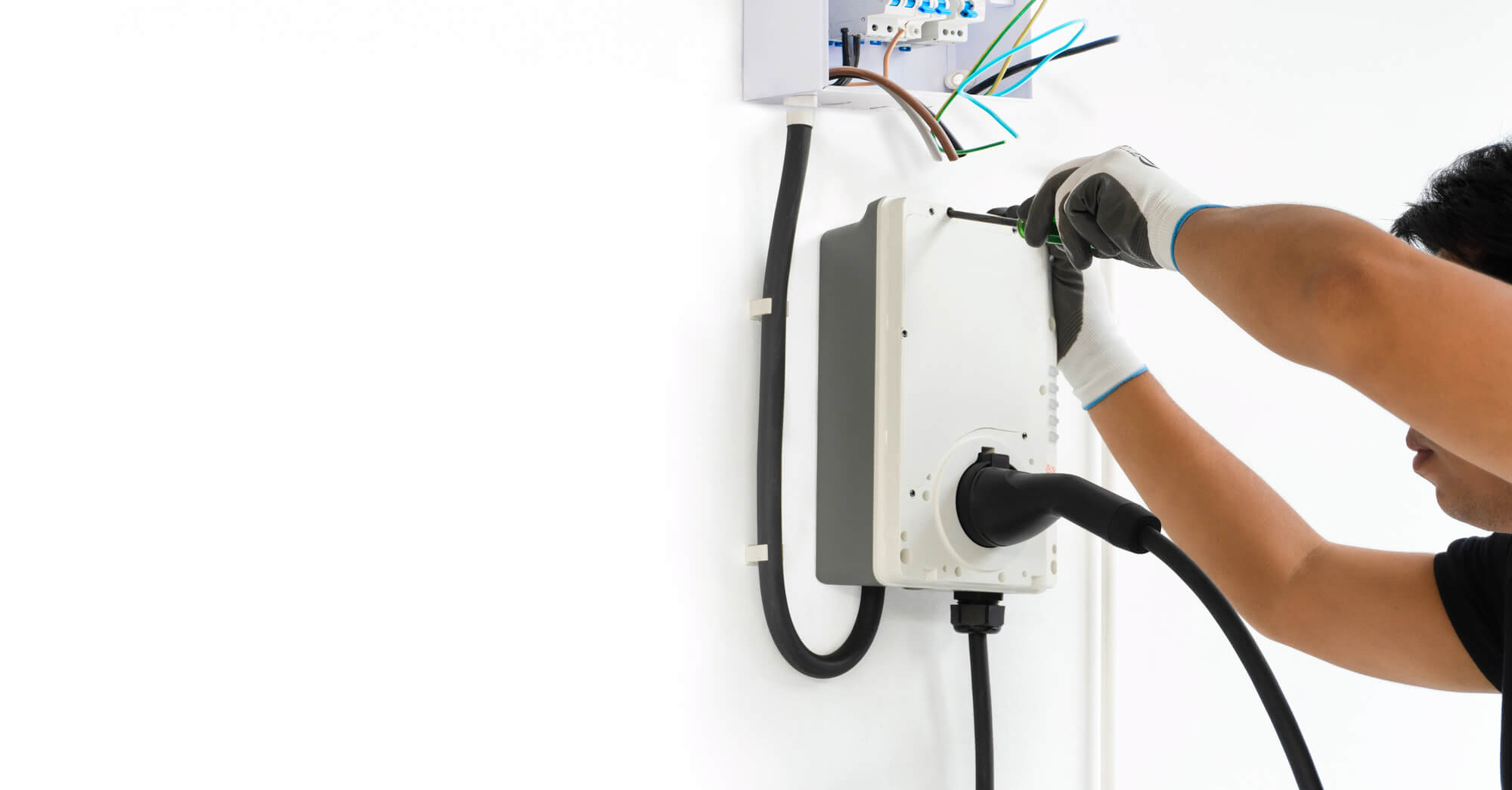
- Mounting the EV charger on the wall
- Connecting wiring and safety protection devices
- Testing the charger and verifying proper operation
Most EV charger installations can be completed within a few hours if no electrical upgrades are required.
Permitting and Utility Approval Process
EV charger installation requires electrical permits in nearly all US jurisdictions, which adds 1–3 weeks to your project timeline. Your electrician typically handles permit filing, which involves submitting plans showing the charger location, circuit breaker size, wire gauge, conduit routing, and NEC compliance documentation. Permit fees range from $50–$300 depending on whether you’re upgrading service or just adding a dedicated circuit. After installation, a municipal electrical inspector must verify the work meets Article 625 (EV charging systems) of the NEC and local amendments. The inspection process usually takes 1–2 weeks to schedule and complete. Some utilities also require notification before EV charger activation, particularly if you’re drawing significant power on a 200-amp or smaller service. This utility approval step is typically handled by your electrician and is straightforward for homes with adequate service capacity, but can delay project completion by 1–2 additional weeks if your utility requires engineering review.
Regional Cost Variations and Contractor Selection
EV charger installation costs vary significantly by region. Rural areas and smaller towns often have fewer qualified electricians, which can drive labor rates up 20–40% compared to urban centers. Conversely, competitive urban markets may offer lower quotes but potentially longer booking lead times. Coastal regions with high EV adoption—such as California, Washington, and the Northeast—have abundant contractors and competitive pricing, while rural Midwest and Southern states typically see higher labor costs due to scarcity of experienced installers. Material costs are consistent nationwide for the charger unit itself, but permit fees and utility connection charges vary widely. Labor rates range from $50–$150/hour depending on region and contractor experience; an experienced commercial electrician may charge more but complete the job faster and more reliably than a generalist. Request quotes from 2–3 licensed, insured contractors in your area, verify they have experience with your specific charger model and home’s electrical configuration, and ask whether estimates include permitting and warranty coverage.
Additional Considerations: Weatherproofing and Long-Term Maintenance
Proper installation includes weatherproof conduit protection, corrosion-resistant hardware (especially important in coastal regions), and secure mounting to prevent damage from weather or accidental vehicle contact. A quality installation ensures the charger enclosure is mounted at the correct height (typically 18 inches to 6 feet from grade), conduit is protected in high-traffic areas, and all connections use UV-resistant, outdoor-rated materials. Once installed, EV chargers require minimal maintenance—most modern units are self-diagnostic and alert you to faults. However, ensure your electrician explains the charger’s built-in safety features (ground fault detection, overcurrent protection, temperature monitoring) and provides documentation for warranty coverage, which typically spans 3–5 years on labor and 5–10 years on parts. If you plan to sell your home, inquire whether transferable warranty coverage exists, as this can add resale appeal to homebuyers interested in EV charging capability.
Frequently Asked Questions
How long does it take to install an EV charger?
Most EV charger installations take between two and six hours depending on the complexity of the wiring and panel access.
Do I need a permit to install an EV charger?
In many areas, electrical permits and inspections are required for installing a new 240-volt circuit. A licensed electrician will typically handle the permit process.
Can I install an EV charger myself?
EV chargers require a dedicated high-voltage circuit and must meet electrical code requirements. Installation should be performed by a licensed electrician to ensure safety and compliance.
Does installing an EV charger increase home value?
Yes. As electric vehicles become more common, homes equipped with EV charging infrastructure can become more attractive to buyers.
Speak With a Licensed Electrician Today
If you’re planning to install an EV charger at home, working with a licensed electrician ensures the installation is safe, efficient, and code-compliant.
InstaElectricians connects homeowners with licensed electricians across the United States. Our network of professionals can install EV chargers, upgrade electrical panels, and ensure your electrical system is ready for electric vehicle charging.
Whether you need a new charger installed or an electrical panel upgrade, help is available right now.