
Installing a home EV charger can still cost less than the sticker price suggests, but the biggest incentive has changed. The federal home charger tax credit has ended, so most savings now come from state programs, utility rebates and cheaper off-peak electricity. This guide explains what changed in 2026, where to look, and how to claim what is still available.
Contents
Key Takeaways
- The federal EV charger tax credit (Section 30C) ended for chargers placed in service after June 30, 2026.
- Installations completed on or before that date may still be claimed when you file your return.
- State rebates, utility rebates and time-of-use rates are the main savings available now, and they differ by location.
- Programs change often and some require pre-approval, so confirm the rules before you book an installation.
- Many programs require installation by a licensed electrician.
What Happened to the Federal EV Charger Tax Credit?
The Alternative Fuel Vehicle Refueling Property Credit (Section 30C) covered 30% of the cost of a home EV charger and its installation, up to $1,000 per item, and was limited to eligible census tracts. Under current law it does not apply to property placed in service after June 30, 2026.
If your charger was installed and in use on or before that date, you can still claim the credit on IRS Form 8911 when you file. For anything installed after that date, plan your budget without it. A tax professional can confirm how this applies to your situation.
State EV Charger Rebates
Some states run their own charger rebate or tax credit programs. They vary widely: some are flat rebates, some are a percentage of the cost, and some are limited by income or by the type of charger. Funding can run out, and programs are added or closed regularly, so check the current rules rather than relying on an old article.
Good places to check are your state energy office website and the U.S. Department of Energy’s incentives database at afdc.energy.gov.
Utility Company Rebates and Rates
Many electric utilities encourage home charging with their own programs. Common examples include:
- Rebates toward the cost of a Level 2 charger or its installation
- Time-of-use rates that make overnight charging cheaper
- Free or discounted installation of a separate EV meter
- Smart charging programs that pay you to charge at off-peak times
Contact your utility before you buy equipment. Some rebates require approved chargers or pre-approval before the work starts.
How to Claim EV Charger Incentives
- Check eligibility first. Look up state and utility programs for your address before you buy a charger.
- Get pre-approval if required. Some programs will not pay for work completed before approval.
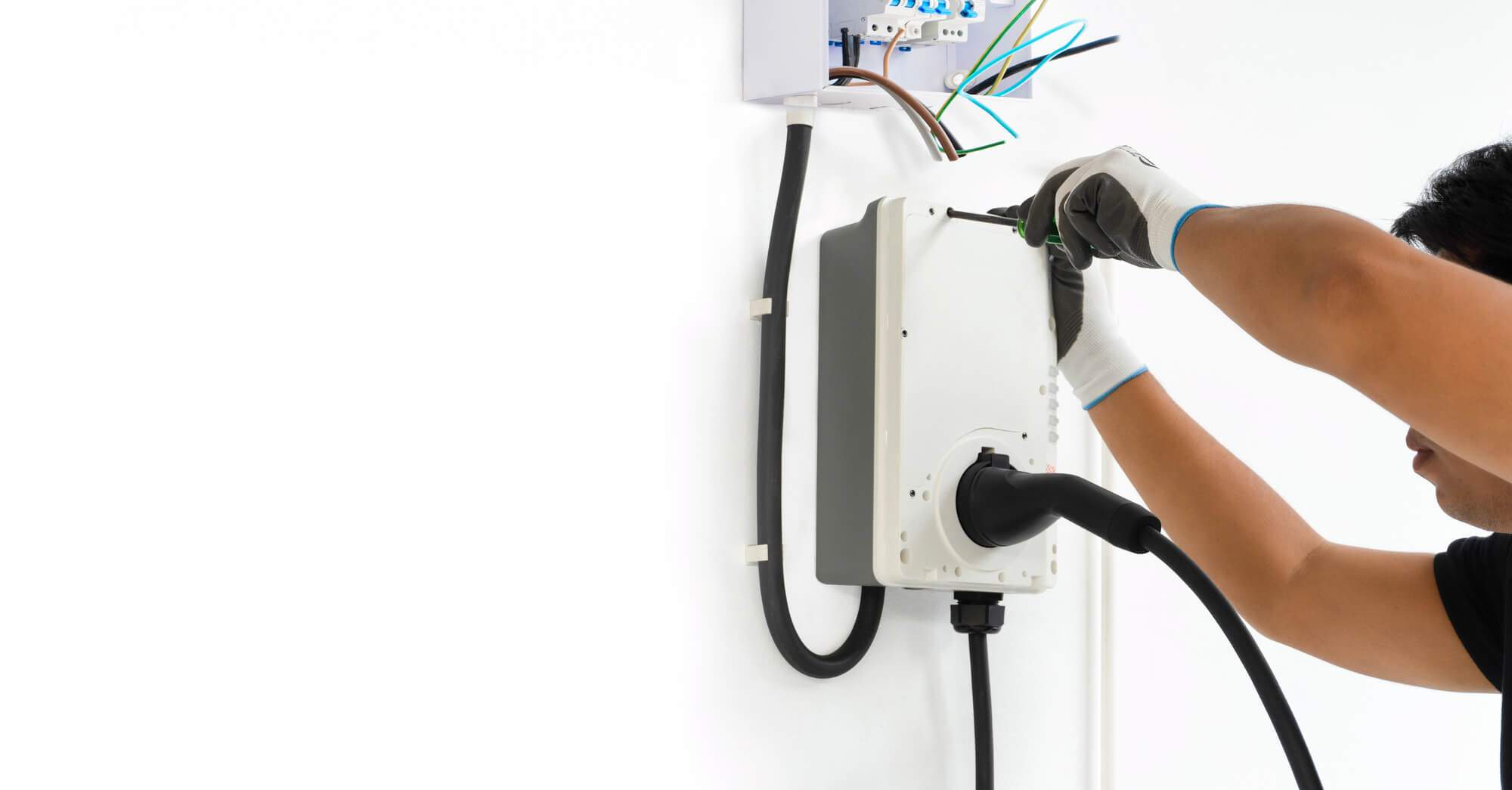
- Use a licensed electrician. Many programs and local permits require it. Our electricians handle EV charger installations and the permit paperwork.
- Keep your paperwork. Save itemized invoices, permit records and the charger model number.
- Submit on time. Rebate applications usually have a deadline after installation.
Other Ways to Lower the Cost of Home Charging
Without the federal credit, the installation itself is where you can control cost. The distance from your panel, available panel capacity and charger type all matter. A Level 2 setup on an existing 240V circuit is usually the cheapest route, and a charger placed close to your panel keeps wiring costs down. If you are just starting out, a standard 120V outlet may cover light daily driving while you plan a Level 2 install.
Frequently Asked Questions
Is there still a federal EV charger tax credit in 2026?
No. The Section 30C credit ended for chargers placed in service after June 30, 2026. If your charger was installed and in use on or before that date, you may still be able to claim it on Form 8911 when you file.
Do I need a licensed electrician to qualify for EV charger rebates?
Many state and utility programs require installation by a licensed electrician, and most areas require a permit for a new 240V circuit. Check the specific program rules before you start work.
Can I stack multiple EV charger incentives?
Often yes. State rebates, utility rebates and time-of-use rates can usually be combined, but some programs limit stacking. Read each program’s terms.
How do I find EV charger rebates in my area?
Start with your electric utility and your state energy office, then check the U.S. Department of Energy’s incentives database. Confirm the current amounts and deadlines, because they change often.
Get Your EV Charger Installed Right
A professional installation protects your home and keeps you eligible for local programs. Call 855-436-0065 for a quote on EV charger installation.