
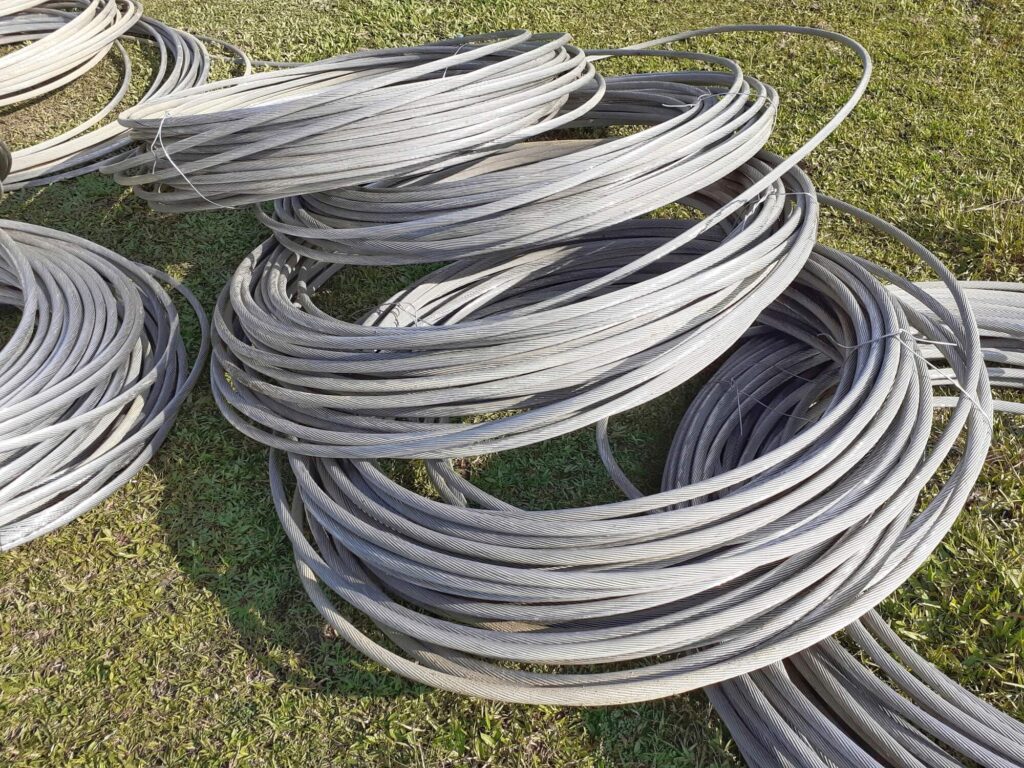
If your property has aluminum wiring — which the CPSC has identified as a significant fire hazard due to its tendency to loosen at connection points and overheat over time problems, it’s important to understand the risks and what actions to take. Aluminum wiring was commonly used in homes built between the 1960s and 1970s, but it has since been linked to safety concerns, including overheating and fire hazards.
In this guide, we’ll explain why aluminum wiring can be problematic, the warning signs to watch for, and the safest ways to address it in your home.
⚡ Key Takeaways
- Aluminum wiring was introduced as a cheaper alternative to copper wiring during a period when copper prices were high.
- Loose connections: Aluminum expands and contracts more than copper, causing connections to loosen over time.
- If your home has aluminum wiring, watch for these warning signs:
What Is Aluminum Wiring?
Aluminum wiring was introduced as a cheaper alternative to copper wiring during a period when copper prices were high. While aluminum conducts electricity, it behaves differently than copper and can create issues over time if not installed or maintained properly.
Homes built or renovated between 1965 and 1973 are most likely to contain aluminum wiring, although it may still be found in some newer installations.
The key concern with aluminum wiring is how it expands, contracts, and oxidizes—leading to loose connections and increased resistance.
Common Problems with Aluminum Wiring
- Loose connections: Aluminum expands and contracts more than copper, causing connections to loosen over time.
- Oxidation: Aluminum forms an oxide layer that reduces conductivity and increases heat.
- Overheating: Increased resistance can cause wires and connections to overheat.
- Fire risk: Poor connections can lead to arcing and electrical fires.
- Compatibility issues: Devices designed for copper wiring may not work safely with aluminum.
- Maintenance challenges: Requires specialized connectors and handling techniques.
Warning Signs of Aluminum Wiring Problems
If your home has aluminum wiring, watch for these warning signs:
- Flickering or dimming lights
- Warm outlets or switch plates
- Frequent circuit breaker trips
- Burning smell or melted plastic odor
- Discoloration around outlets or switches
- Loose plugs that don’t stay firmly in outlets
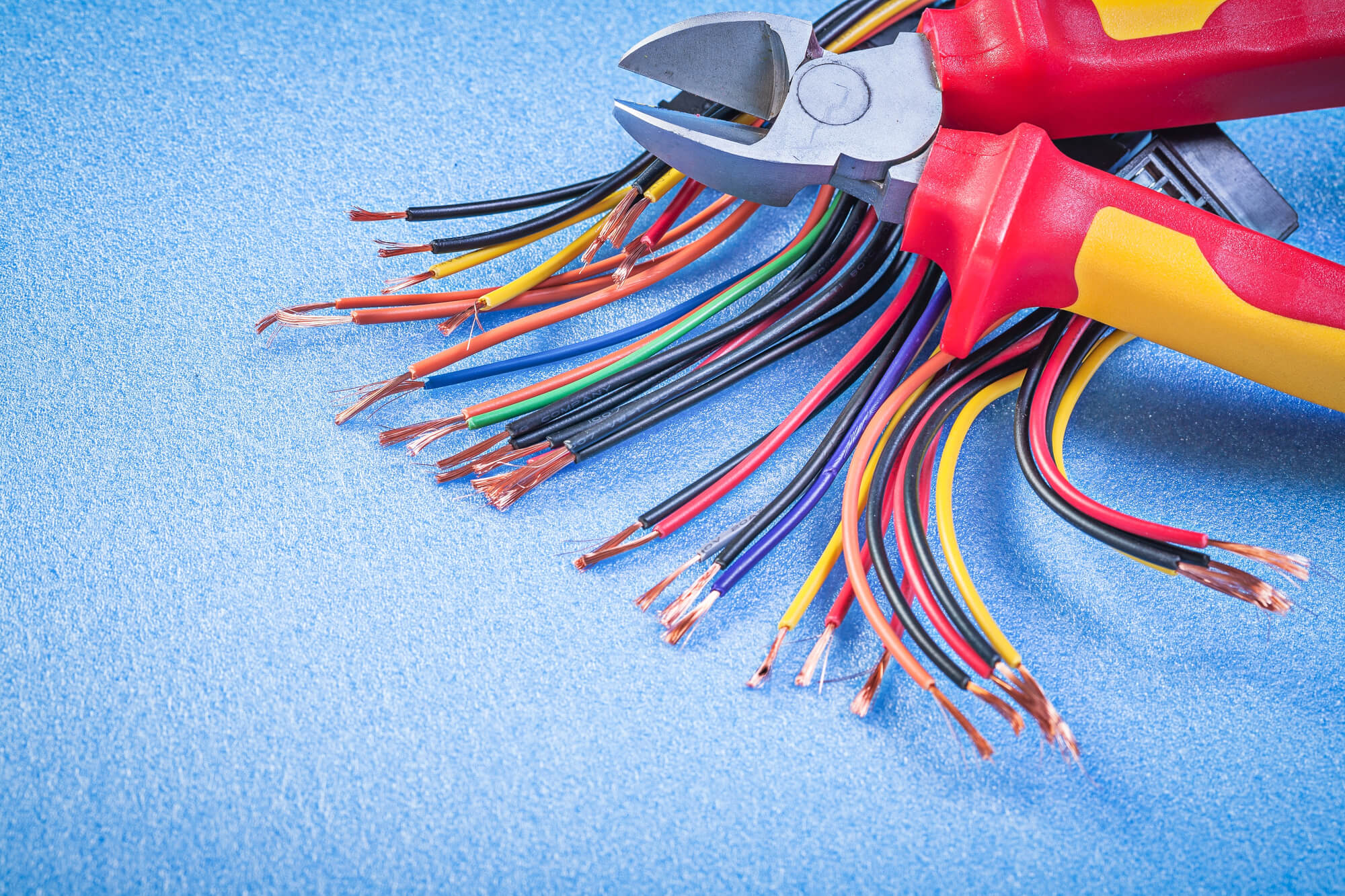
These symptoms may indicate overheating or failing connections and should be addressed immediately.
Troubleshooting Aluminum Wiring Problems
If you suspect aluminum wiring issues, follow these steps carefully:
1. Confirm the Wiring Type
Check your electrical panel or wiring labels. Aluminum wiring is often marked “AL” or “ALUMINUM.”
2. Reduce Electrical Load
Avoid overloading circuits by unplugging unnecessary devices.
3. Monitor Problem Areas
Take note of outlets, switches, or fixtures showing signs of heat or flickering.
4. Avoid DIY Repairs
Aluminum wiring requires special connectors and techniques. Improper handling can make the problem worse.
5. Schedule a Professional Inspection
A licensed electrician can assess the condition of your wiring and recommend the safest solution.
Because aluminum wiring issues often occur at connection points, professional evaluation is essential.
Our licensed electricians can evaluate your aluminum wiring and provide safe, code-compliant solutions including our full home rewiring service.
How to Fix Aluminum Wiring Issues
There are several ways to address aluminum wiring problems, depending on the severity:
- COPALUM crimping: A permanent repair method that connects copper to aluminum wiring.
- AlumiConn connectors: Specialized connectors designed for safe aluminum-to-copper connections.
- Device replacement: Installing switches and outlets rated for aluminum wiring.
- Partial rewiring: Replacing high-risk circuits with copper wiring.
- Full rewiring: Replacing all aluminum wiring with copper for maximum safety.
Each option has its pros and costs, and a professional electrician can help determine the best approach.
Electrical Repair Costs
The cost to fix aluminum wiring problems varies widely:
- AlumiConn connectors installation: $50 – $100 per connection
- COPALUM repairs: $75 – $150 per connection
- Replacing outlets and switches: $100 – $300 each
- Partial rewiring: $1,500 – $5,000
- Full home rewiring: $5,000 – $15,000+
While full rewiring is the most expensive option, it provides the highest level of safety and long-term reliability.
Why Aluminum Wiring Was Discontinued and What the Risks Are
Aluminum wiring was used extensively in residential homes from the late 1960s through mid-1970s as a cost-saving measure during a copper shortage. However, aluminum has fundamental electrical properties that make it unsuitable for household circuits. Aluminum oxidizes much faster than copper—when exposed to air, a layer of aluminum oxide forms on the surface. This oxide is an insulator, creating resistance at connection points that causes heat buildup. Aluminum also has a higher coefficient of thermal expansion than copper, meaning it expands and contracts more dramatically with temperature changes, gradually loosening connections.
Additionally, aluminum is more ductile (softer) than copper, making it more prone to stress fractures at bends and connection points. The combination of oxidation, loose connections, and stress fractures creates dangerous conditions. Aluminum wiring homes have fire incident rates six times higher than homes with copper wiring. Insurance companies recognize this risk—many will charge higher premiums for aluminum-wired homes or require remediation before providing coverage.
Proper Remediation and Code-Compliant Solutions
If your home has aluminum wiring, the safest solution is complete replacement with copper wiring, which requires opening walls and rewiring the entire electrical system. This is expensive but guarantees safety. However, if rewiring is prohibitively costly, a code-compliant alternative exists: installing a copper pigtail between the aluminum wire and each outlet, switch, or breaker using approved connectors and terminals specifically designed for aluminum-to-copper connections.
A licensed electrician can assess your home’s aluminum wiring and recommend the most practical solution based on your home’s layout, age, and condition. At minimum, have all connection points inspected and tightened by a professional. Regular inspections every 2-3 years can catch loose connections or oxidation before they create hazards. If you are planning to sell your home, disclose the aluminum wiring to potential buyers and provide documentation of any remediation work completed.
The Cost of Aluminum Wiring Remediation
Remediation of aluminum wiring problems involves three main options, each with different costs and trade-offs. A complete full home rewire—removing all aluminum wiring and replacing it with copper—is the most thorough solution but also the most expensive, typically costing $8,000–$15,000 depending on home size and complexity. This option eliminates the problem entirely and is ideal for homes where aluminum wiring is extensive. A more targeted approach is pigtailing with COPALUM connectors, which cost $50–$100 per outlet or junction box. This method uses specially rated copper connectors approved by the Consumer Product Safety Commission (CPSC) to join aluminum wires to new copper wire segments at outlets and fixtures. It’s less disruptive and less expensive than full rewiring but requires accessing each connection point.
The third option is replacing outlets and switches with CO/ALR (copper-aluminum) rated devices, which cost $20–$40 per outlet and are designed to safely accept aluminum wire. This is the least expensive option upfront but offers no long-term fix for the underlying oxidation and deterioration issues in the walls. The CPSC recommends COPALUM connectors as the preferred method for existing homes because they halt future aluminum-to-copper corrosion at connection points. Get quotes from licensed electricians who specialize in aluminum wire remediation—they can assess your home’s specific situation and recommend the most cost-effective solution for your electrical safety.
Frequently Asked Questions
Is aluminum wiring dangerous?
Aluminum wiring can be safe if properly installed and maintained, but it has a higher risk of overheating and fire compared to copper wiring.
Do I need to replace aluminum wiring in my home?
Not always. Some homes can be made safe with proper connectors and upgrades, but a professional inspection is essential to determine the best solution.
How can I tell if my home has aluminum wiring?
Look for markings such as “AL” on wiring in your electrical panel or outlets. Homes built in the late 1960s and early 1970s are more likely to have it.
Why does my house smell like burning plastic?
Burning plastic smells often occur when wire insulation overheats or melts due to electrical overloads, loose connections, or faulty appliances.
Get Professional Help Today
If you suspect aluminum wiring problems in your home, don’t wait to take action. Electrical issues can worsen over time and pose serious safety risks.
A licensed electrician can inspect your wiring, recommend the best repair options, and ensure your home meets modern safety standards.