
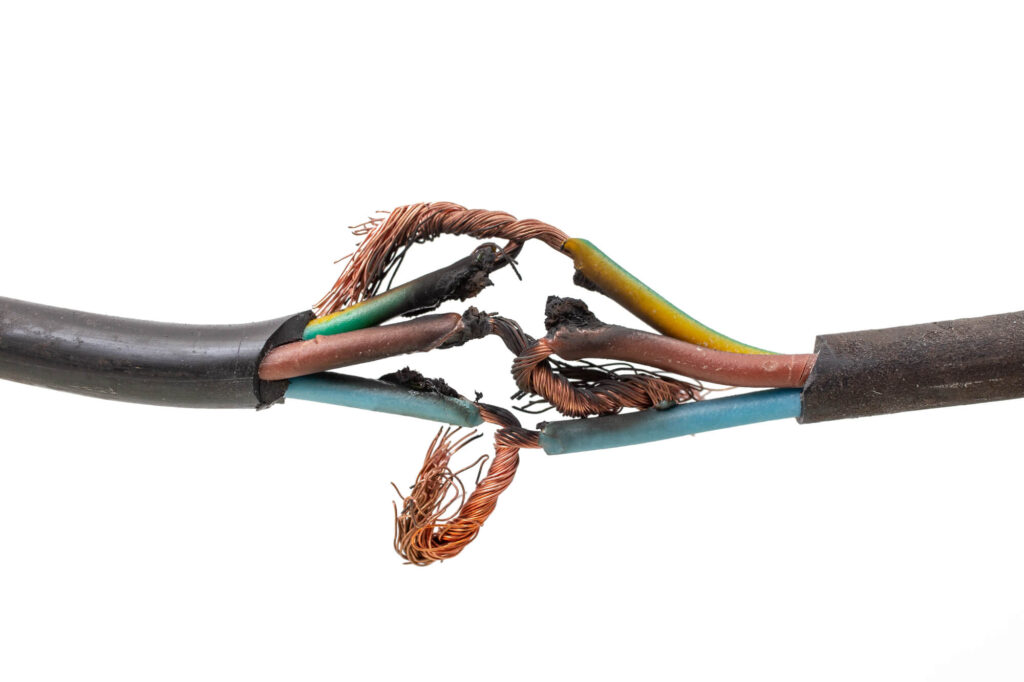
Exposed electrical wires are one of the most dangerous electrical emergencies a homeowner can encounter. Whether discovered after a renovation, caused by rodent damage, or resulting from a DIY project gone wrong, exposed wires carry live voltage that can cause electrocution, arc faults, and house fires. This guide explains what to do immediately, what not to do, and when to call an emergency electrician.
⚡ Key Takeaways
- Insulation on electrical wiring serves a critical purpose — it contains the current to the conductor and prevents contact with people, other wires, and surrounding materials.
- Rodent damage: Mice and rats chew through wire insulation, often inside walls and attics where damage goes undetected DIY or renovation work: Wiring disturbed during drilling, cutt
- Do not touch the wire — even if power appears to be off, the circuit may still be energized Keep everyone away from the area, including children and pets Turn off the circuit at th
Why Exposed Electrical Wires Are an Emergency
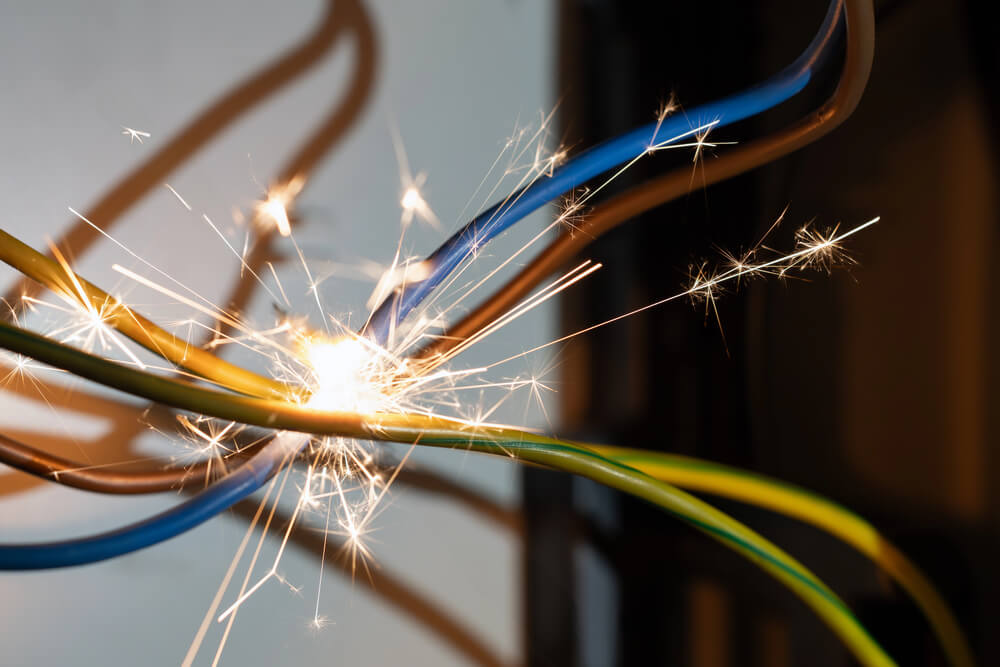
Insulation on electrical wiring serves a critical purpose — it contains the current to the conductor and prevents contact with people, other wires, and surrounding materials. When insulation is missing or damaged, the live conductor is directly accessible. Contact with a live wire at standard household voltage (120V or 240V) can deliver a lethal electric shock. If the exposed wire contacts another conductor or a grounded surface, it can create an arc fault that ignites nearby materials almost instantly.
Common Causes of Exposed Wires
- Rodent damage: Mice and rats chew through wire insulation, often inside walls and attics where damage goes undetected
- DIY or renovation work: Wiring disturbed during drilling, cutting, or demolition without proper identification of wire locations
- Aging insulation: Wiring from the 1960s–1970s or earlier can have insulation that cracks and crumbles with age
- Overheating: Chronic overloads cause insulation to melt, exposing conductors inside wall cavities
- Physical damage: Stapling, nailing, or pinching wires during construction or repairs
- Failed junction box connections: Wires pulled loose from boxes and left exposed during remodel work
What to Do If You Find Exposed Wires
- Do not touch the wire — even if power appears to be off, the circuit may still be energized
- Keep everyone away from the area, including children and pets
- Turn off the circuit at the panel if you can identify which breaker controls it — but do not touch the wires to test them
- Do not attempt to tape or wrap the wire yourself — temporary fixes on live wiring are extremely dangerous and not code-compliant
- Call a licensed electrician immediately for emergency repair
- If there is smoke, burning smell, or visible fire — evacuate and call 911
What Not to Do With Exposed Wires
- Do not use electrical tape as a permanent fix — this is not code-compliant and is only acceptable as an emergency measure by a licensed electrician, never a homeowner
- Do not assume the wire is dead because the light switch is off — many circuits remain energized regardless of switch position
- Do not cover exposed wires inside a wall and close it up — concealed damaged wiring is a fire hazard. The U.S. Consumer Product Safety Commission (CPSC) identifies concealed damaged wiring as a leading cause of residential electrical fires
- Do not attempt to splice or reconnect wires without proper training — all connections must be made inside approved junction boxes
Exposed wires are a life-threatening emergency. Call our 24/7 emergency electricians immediately — do not attempt to handle exposed wiring yourself.
How an Electrician Repairs Exposed Wiring
A licensed electrician will assess the extent of the damage, determine whether the insulation failure is isolated or part of a broader wiring problem, and make code-compliant repairs. This typically involves replacing the damaged section of wire, ensuring all connections are made inside proper junction boxes, and testing the circuit before restoring power. If rodent damage or aging insulation is widespread, a larger rewiring project may be recommended.
Immediate Electrical Hazards from Exposed Wires
Exposed wires present multiple simultaneous dangers beyond simple electrocution risk. If exposed wires contact metal objects (pipes, structural framing, metal fixtures), electrical current can energize the entire object, creating an electrocution hazard for anyone touching that surface. Moisture and exposed wires are a dangerous combination; in kitchens, bathrooms, basements, or during rainy weather, moisture conducts electricity and dramatically increases electrocution risk. Exposed wires also represent fire risk because any flammable material in contact with the wire (insulation, wood framing, stored items) can ignite if current flows. Young children or pets exploring exposed wires may bite, chew, or grab them, resulting in severe burns or electrocution. Unlike many electrical hazards that develop gradually, exposed wires are acute dangers that demand immediate action. Do not enter a space with actively exposed energized wires, and do not allow family members or pets into the area until the hazard is resolved. If you have exposed wires in your home, immediately turn off power to that circuit at the breaker panel if it’s safe to do so, then contact a licensed electrician for emergency service. If the wires are outdoors, near water, or you’re uncertain how to safely de-energize them, call 911 and wait for professional help.
Permanent Solutions for Exposed Wiring
Once a licensed electrician has safely de-energized and assessed the exposed wires, a permanent solution depends on the location and cause. If wires are exposed due to damaged insulation, the damaged section must be cut out and a proper splice connection (using approved splice boxes and connectors) must be installed. If wires are exposed in walls due to holes or damage, the entire length of exposed wire must be re-routed through proper conduit or protected channels and new insulation installed. For outdoor exposed wires or wires in areas prone to damage, conduit (rigid metal or plastic tubing that protects the wire) must be installed. Proper repairs are code-compliant when they use approved materials rated for the specific location (wet areas require weatherproof materials; areas with impact risk require heavy-duty conduit). The cost of permanent repair ranges from $300–$1,500 depending on the length of wire affected and difficulty of access. While this may seem expensive, it’s a necessary investment to prevent fires, injuries, and potential liability. Do not attempt temporary solutions like electrical tape or wrapping exposed wires in plastic—these create fire hazards and are not code-compliant. A professional repair documented with permits and inspections protects your home’s insurability and safety record.
Frequently Asked Questions
Can I use electrical tape to cover exposed wires temporarily?
No. Electrical tape is not a safe or code-compliant repair for exposed wiring. It may temporarily reduce shock risk if the circuit is turned off, but it does not provide durable insulation and will not prevent arc faults inside a wall cavity. Always have exposed wires repaired by a licensed electrician.
How do I know if a wire is live without touching it?
Do not touch or probe unknown wires yourself. A licensed electrician uses a non-contact voltage tester to safely determine whether wires are energized before working on them. Never assume a wire is dead.
Can exposed wires inside a wall cause a fire?
Yes. An exposed or damaged wire inside a wall can arc against the surrounding structure, igniting wood framing, insulation, or drywall. These fires often start slowly and smolder inside walls for hours before becoming visible — making them particularly dangerous.
How much does it cost to repair exposed wiring?
The cost depends on the extent of the damage. A simple section replacement in an accessible location costs $150 – $400. Widespread insulation failure requiring partial or full rewiring of circuits can cost $1,000 – $5,000 or more depending on the scope.