
If half the house suddenly loses power while the rest of the home still has electricity, it usually indicates a problem with a specific circuit, breaker, or electrical connection. This issue can sometimes be simple to resolve, but in other cases it may signal a more serious electrical fault that requires professional inspection.
⚡ Key Takeaways
- When part of a house loses power while the rest remains operational, the electrical system is typically experiencing a circuit-level problem rather than a full power outage.
- Several electrical issues can cause power loss in part of a home.
- Before calling an electrician, you can try several safe troubleshooting steps.
Half the House Lost Power? What It Means
When part of a house loses power while the rest remains operational, the electrical system is typically experiencing a circuit-level problem rather than a full power outage. Electrical panels divide the home into multiple circuits so that different areas receive power independently.
If one circuit or group of circuits stops working, certain rooms or outlets may lose power while other parts of the home continue functioning normally.
Common Causes of Partial Power Loss
Several electrical issues can cause power loss in part of a home.
- Tripped circuit breaker – One breaker in the panel may have tripped due to overload.
- GFCI outlet tripped – A ground fault outlet may cut power to multiple outlets downstream.
- Loose wiring connection – A wiring connection inside an outlet, switch, or junction box may have come loose.
- Faulty breaker – A breaker may fail internally and stop delivering power.
- Utility service issue – Occasionally problems with the electrical service line can affect part of the home.
Identifying the exact cause often requires inspecting the breaker panel and outlets connected to the affected circuit.
How to Troubleshoot Power Loss in Part of the House
Before calling an electrician, you can try several safe troubleshooting steps.
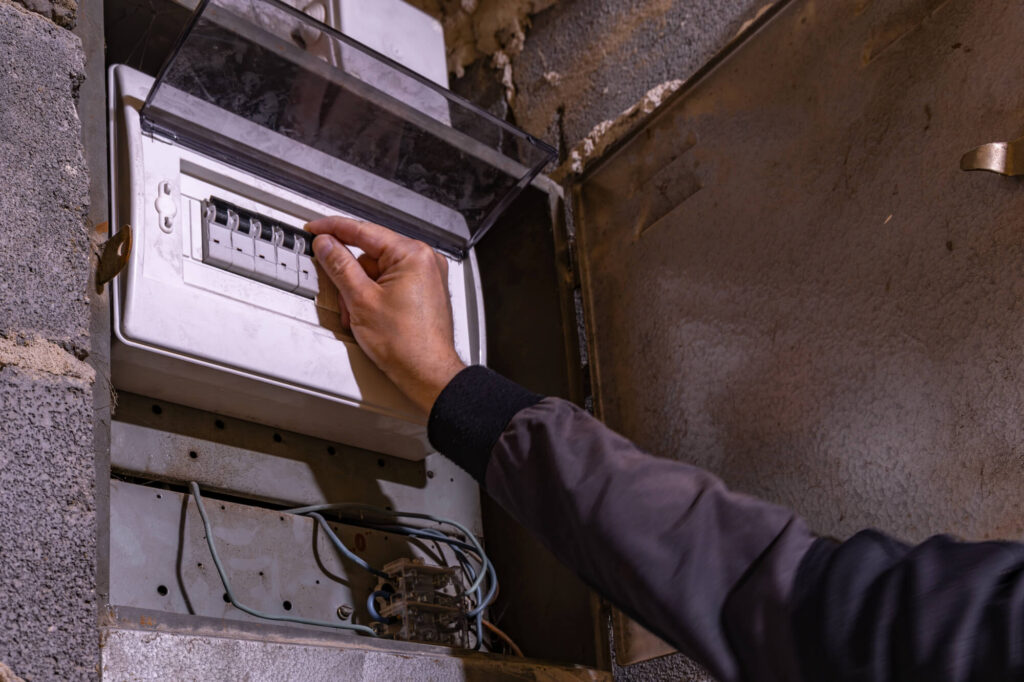
- Check the electrical panel for tripped breakers
- Reset any tripped breakers by turning them fully off and then back on
- Look for GFCI outlets in bathrooms, kitchens, garages, or outside and press the reset button
- Test nearby outlets to determine how many are affected
- Unplug appliances connected to the affected circuit
If power does not return after these checks, the issue may involve wiring problems or a failing breaker.
Warning Signs the Problem Could Be Serious
Some electrical issues causing partial power loss can indicate potentially dangerous conditions.
- Burning smells near outlets or the breaker panel
- Sparking outlets or switches
- Buzzing sounds from electrical panels
- Lights flickering before power loss
- Breaker that will not reset
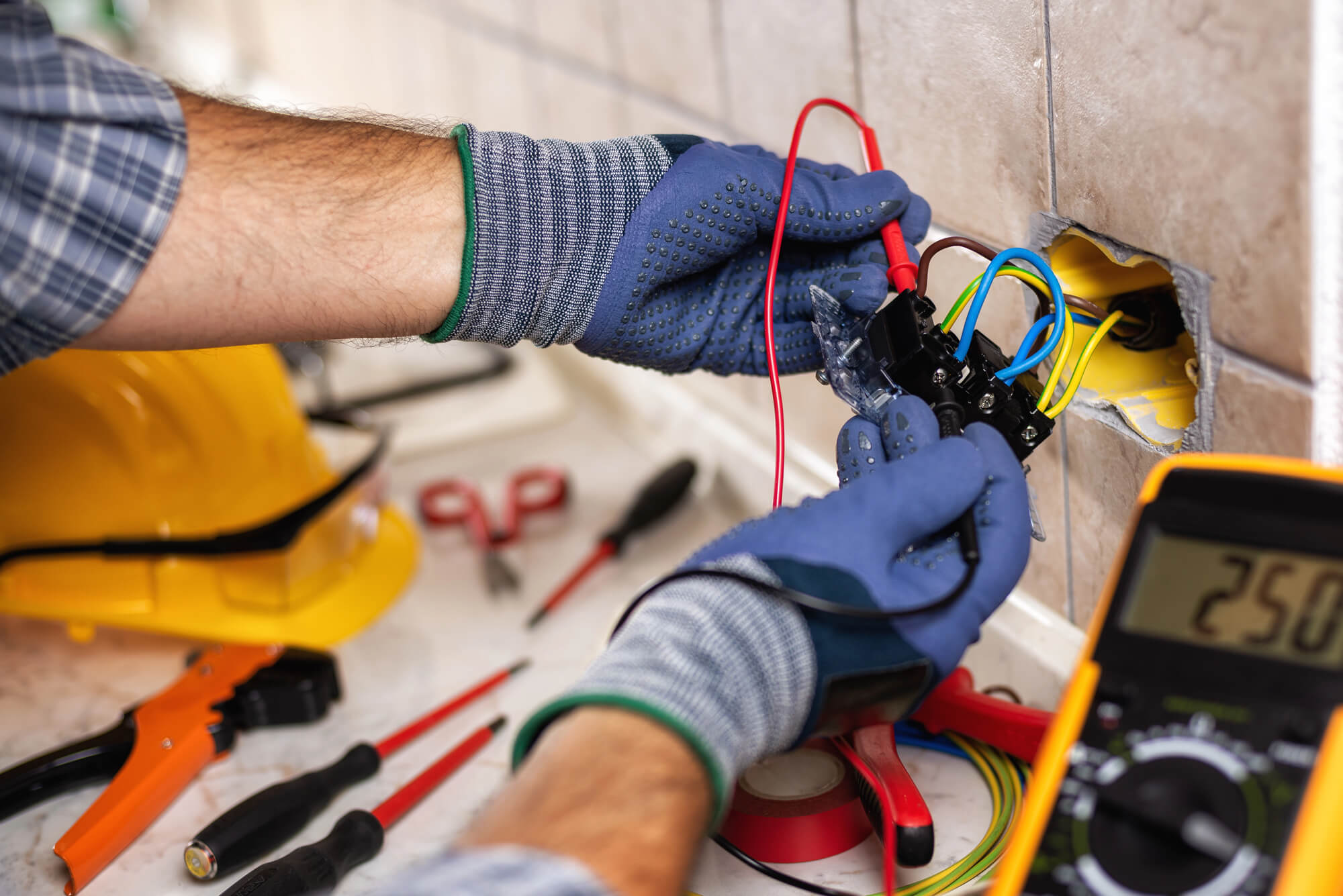
If you notice any of these symptoms, turn off power at the breaker panel and contact a licensed electrician immediately.
Half-home power loss often means a lost leg from the utility or a main breaker — the CPSC Electrical Safety Guide advises contacting a licensed electrician before resetting a main breaker, as a partial-power situation can indicate a failed leg from the utility or a serious panel fault issue. Our emergency electricians can diagnose and restore power fast.
Local, licensed electricians available 24/7
Could the Utility Company Be the Cause?
In rare situations, partial power loss can be related to problems with the utility company’s electrical service. Issues such as damaged service lines or transformer problems may cause certain circuits to lose power.
If multiple homes in your area are experiencing similar issues, contacting the local utility provider may help determine whether the problem is outside the home.
What Does It Cost to Fix Partial Power Loss?
The cost to repair partial power loss depends on the underlying cause.
- Electrical troubleshooting visit: $100 – $250
- Breaker replacement: $150 – $350
- Outlet or switch repair: $150 – $400
- Wiring repair: $300 – $800
An electrician can inspect the electrical panel, test circuits, and identify the source of the power interruption.
Identifying Main Breaker vs. Branch Circuit Failures
When half your house loses power, the problem lies in the main electrical panel and affects either the left or right “leg” of your service. Modern residential panels receive power from two 120-volt legs that combine to deliver 240 volts for major appliances. Each leg powers roughly half the circuits in your home. If one leg fails, half the house goes dark while the other half continues operating normally — this is a telltale sign of a main breaker issue rather than a branch circuit problem affecting just one room.
The main breaker (or service disconnect) controls all power entering your home and typically handles 100–200 amps. If the main breaker trips or fails, it cuts power to one entire leg of the panel. Some homes have a tandem or split-bus main breaker that can fail partially, leaving one half of the circuits without power. This type of failure usually requires replacing the main breaker ($500–$1,500 including labor) or in severe cases, replacing the entire panel ($2,000–$4,500). A licensed electrician must perform this work — it involves live service lines and high electrocution risk.
Load Imbalance & Meter/Utility Service-Line Issues
Uneven circuit distribution between the two legs creates imbalanced loads that can trip main service overcurrent protection. If all high-draw appliances (oven, air conditioning, water heater, dryer) are connected to one leg while the other leg powers primarily lights and outlets, the overloaded leg may trip during peak usage. An electrician can rebalance circuits by moving some loads to the underutilized leg, typically costing $200–$400 in labor. This resolves the problem without replacing hardware.
If half the house loses power and the main breaker appears to be in the “on” position, the problem may be at the utility’s service entrance or meter. Utility-owned equipment (weatherhead, meter, service entrance cable) can fail and cause one leg to disconnect. Contact your utility immediately to report the outage and request inspection of their service equipment. The utility is responsible for repairing their side of the service entrance at no cost to you. Until repairs are complete, avoid turning the main breaker on and off repeatedly — this can damage internal contacts and make the failure worse.
Frequently Asked Questions
Why did half my house lose power?
This often happens when a circuit breaker trips or a GFCI outlet shuts off power to downstream outlets.
Can a bad breaker cause partial power loss?
Yes. A breaker that fails internally may prevent electricity from reaching the circuits it controls.
Is partial power loss dangerous?
It can be. If the problem is caused by damaged wiring or loose connections, it may create overheating or electrical hazards.
Should I call an electrician if power is out in one room?
If resetting breakers and GFCI outlets does not restore power, an electrician should inspect the wiring and electrical panel.
Speak With a Licensed Electrician Today
If half your house has lost power, the issue may involve tripped breakers, wiring problems, or electrical panel faults. Addressing electrical problems quickly helps prevent further damage and ensures your home remains safe.
InstaElectricians connects homeowners with licensed electricians across the United States. Our network of professionals can diagnose power loss issues, repair electrical faults, and restore safe power to your home.
Whether you need electrical troubleshooting or emergency repairs, help is available right now.