

Understanding Level 1 vs Level 2 EV chargers is essential for homeowners choosing the right charging solution. While both options charge your electric vehicle at home, they differ significantly in speed, cost, and installation requirements.
In this guide, we break down the key differences between Level 1 and Level 2 EV chargers, helping you decide which is best for your home and driving habits.
Contents
- 1 What Is a Level 1 EV Charger?
- 2 What Is a Level 2 EV Charger?
- 3 Level 1 vs Level 2 EV Chargers: Key Differences
- 4 Charging Speed Comparison
- 5 Cost Comparison: Level 1 vs Level 2 EV Chargers
- 6 Electrical Requirements for Level 2 Chargers
- 7 Common Problems With EV Chargers
- 8 Troubleshooting EV Charger Issues
- 9 Electrical Repair Costs for EV Charging Issues
- 10 Which EV Charger Is Best for Your Home?
- 11 Frequently Asked Questions
- 12 Conclusion
What Is a Level 1 EV Charger?
A Level 1 charger uses a standard 120-volt household outlet. It typically comes with your electric vehicle and requires no additional installation.
- Uses standard wall outlet
- No installation required
- Charging speed: 3–5 miles of range per hour
- Best for low daily driving needs
Level 1 charging is convenient but slow, making it suitable for overnight charging or occasional use.
What Is a Level 2 EV Charger?
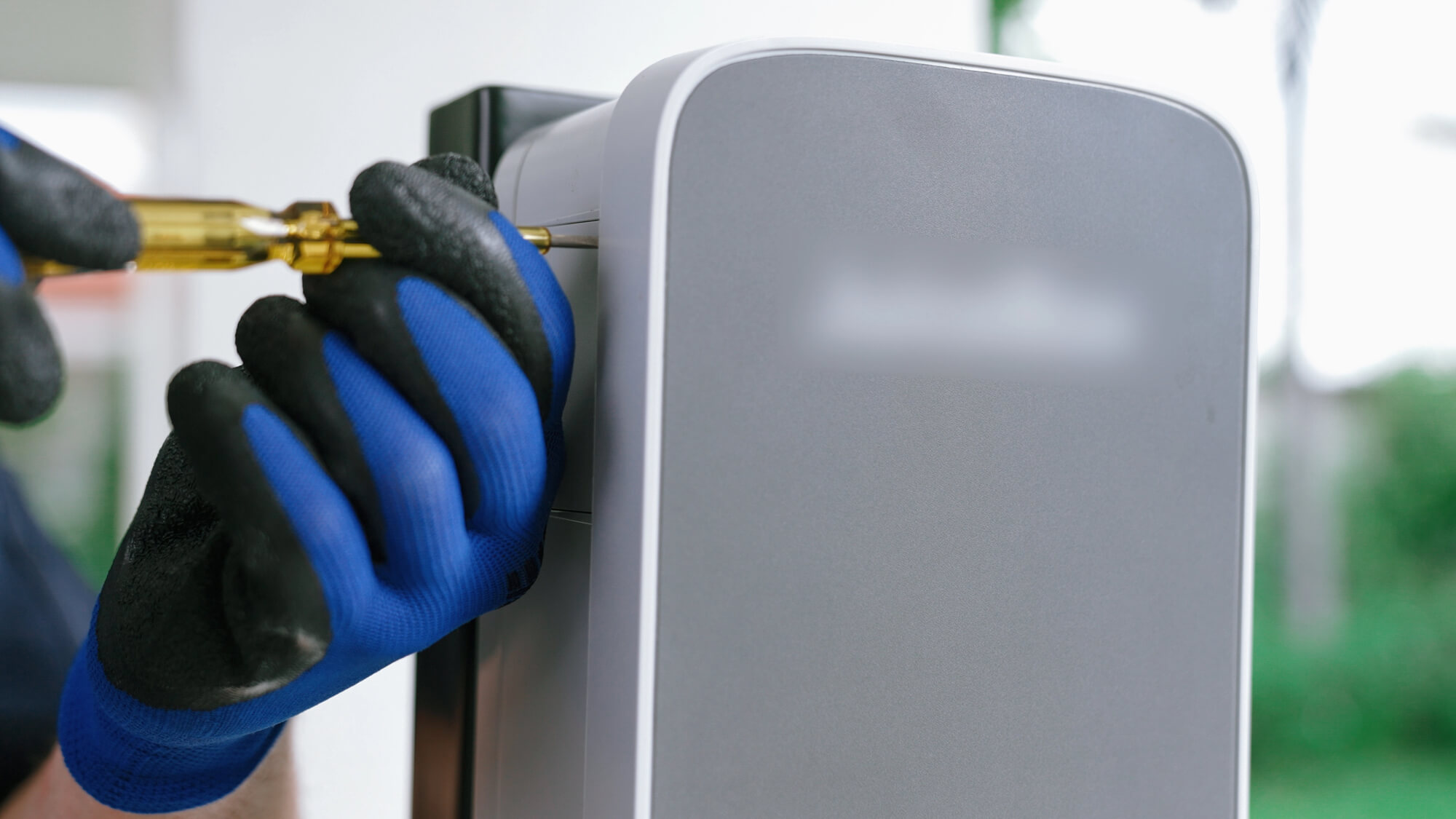
A Level 2 charger uses a 240-volt circuit, similar to what powers large appliances like dryers. It requires professional installation but offers much faster charging speeds.
- Requires 240V electrical circuit
- Professional installation recommended
- Charging speed: 20–60 miles of range per hour
- Ideal for daily use and faster charging
Level 2 chargers are the most popular choice for homeowners who want reliable and efficient charging.
Level 1 vs Level 2 EV Chargers: Key Differences
Here’s a side-by-side comparison to help you understand the differences:
- Voltage: Level 1 (120V) vs Level 2 (240V)
- Charging speed: Slow vs Fast
- Installation: None vs Professional required
- Cost: Low vs Moderate to high
- Convenience: Limited vs High
The biggest difference is charging speed, which can impact how practical each option is for your lifestyle.
Charging Speed Comparison
Charging speed is often the deciding factor when choosing between Level 1 and Level 2 chargers.
- Level 1: Adds about 30–40 miles overnight
- Level 2: Can fully charge most EVs overnight
If you drive frequently or have a long commute, Level 2 charging is usually necessary.
Cost Comparison: Level 1 vs Level 2 EV Chargers
Costs vary depending on equipment and installation needs:
- Level 1: Usually included with vehicle ($0 additional cost)
- Level 2 charger unit: $400 – $1,200
- Installation: $300 – $1,500
- Panel upgrades (if needed): $1,000 – $3,000+
While Level 2 chargers have higher upfront costs, they offer long-term convenience and efficiency.
Electrical Requirements for Level 2 Chargers
Level 2 EV chargers require more electrical capacity than standard outlets. Typical requirements include:
- Dedicated 240V circuit
- 40–60 amp breaker
- Sufficient electrical panel capacity
- Proper wiring and grounding
If your panel cannot support these requirements, upgrades may be necessary.
Common Problems With EV Chargers
Whether you use Level 1 or Level 2 charging, you may encounter issues such as:
- Slow charging speeds
- Tripped breakers
- Overheating outlets
- Connection issues with the vehicle
These problems often point to electrical limitations or installation issues.
Troubleshooting EV Charger Issues
Slow Charging
Level 1 charging is naturally slow, but if speeds drop further, check for damaged cables or poor connections.
Breaker Keeps Tripping
This may indicate circuit overload or faulty wiring, especially with Level 2 chargers.
Outlet Feels Warm
Warm outlets can signal unsafe electrical loads. Stop using the charger and have it inspected.
Charger Not Working
This could be due to a tripped breaker, faulty charger, or compatibility issue with your EV.
Electrical Repair Costs for EV Charging Issues
If problems arise, repair costs may include:
- Breaker replacement: $150 – $400
- Wiring repairs: $200 – $800
- Panel upgrades: $1,000 – $3,000+
- Outlet replacement: $100 – $300
Addressing these issues quickly helps prevent safety risks and ensures consistent charging performance.
Which EV Charger Is Best for Your Home?
The best option depends on your needs:
- Choose Level 1 if: You drive short distances and can charge overnight
- Choose Level 2 if: You need faster charging or drive daily
Most homeowners eventually upgrade to Level 2 for convenience and reliability.
Frequently Asked Questions
Is Level 1 charging enough for daily use?
Level 1 charging can be sufficient for short commutes, but it may not keep up with higher daily mileage.
How much faster is Level 2 compared to Level 1?
Level 2 charging is typically 5 to 10 times faster than Level 1 charging.
Do I need an electrician to install a Level 2 charger?
Yes, a licensed electrician is recommended to ensure safe installation and code compliance.
Can I upgrade from Level 1 to Level 2 later?
Yes, most homeowners start with Level 1 and upgrade to Level 2 when they need faster charging.
Conclusion
Choosing between Level 1 vs Level 2 EV chargers comes down to speed, convenience, and your daily driving habits. While Level 1 chargers are simple and cost-effective, Level 2 chargers offer the performance most EV owners need.
We recommend evaluating your electrical system and consulting a professional to determine the best setup for your home. Investing in the right charger ensures reliable performance and a better EV ownership experience.