
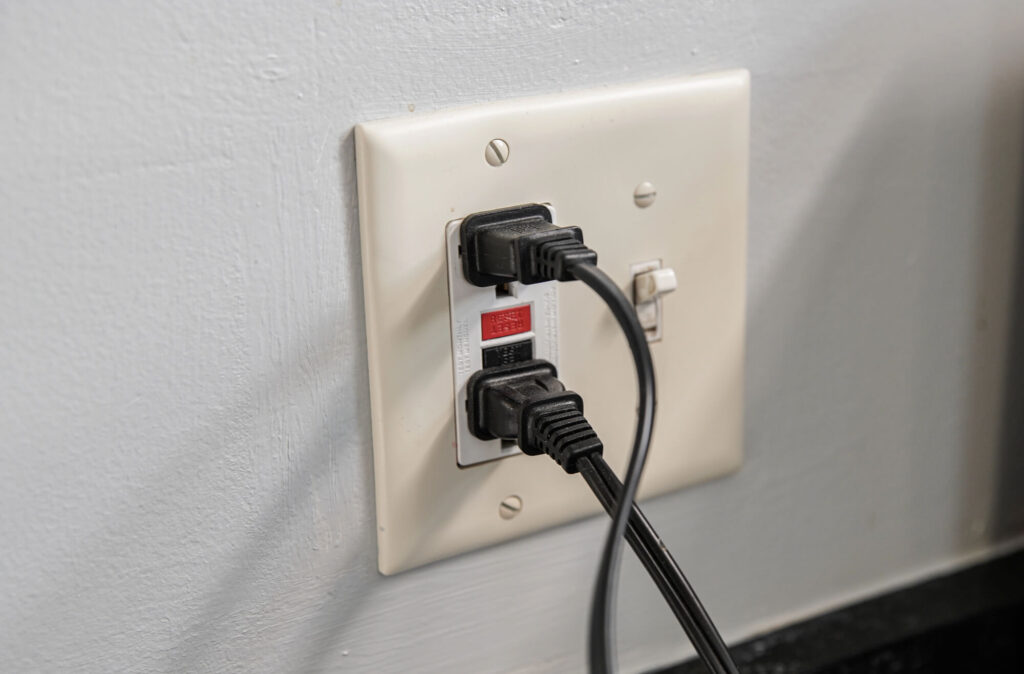
If you have an outlet not grounded in your home, you may not know it — until something goes wrong. Ungrounded outlets are one of the most common electrical issues in older homes, and while they may appear functional, they pose real safety risks to your appliances, electronics, and family. This guide explains what an ungrounded outlet is — a condition addressed directly in National Electrical Code (NEC) Article 406 — the dangers it presents, how to identify one, and what to do about it.
Contents
- 1 What It Means When an Outlet Is Not Grounded
- 2 Common Causes of Ungrounded Outlets
- 3 Warning Signs Your Outlet Is Not Grounded
- 4 How to Check and Troubleshoot Ungrounded Outlets
- 5 When to Call an Electrician
- 6 Electrical Repair Cost Estimates
- 7 How to Prevent Issues With Ungrounded Outlets
- 8 Frequently Asked Questions
⚡ Key Takeaways
- A standard modern outlet has three slots: two vertical slots for the hot and neutral wires, and a rounded slot at the bottom for the ground wire.
- Your home still has two-prong (two-slot) outlets An outlet tester shows “open ground” or a fault light pattern You feel a mild tingle when touching plugged-in appliances Electronic
- Before calling an electrician, here are safe steps you can take:
What It Means When an Outlet Is Not Grounded
A standard modern outlet has three slots: two vertical slots for the hot and neutral wires, and a rounded slot at the bottom for the ground wire. The ground wire provides a safe path for excess electricity in the event of a wiring fault or surge, protecting both people and devices.
An outlet not grounded lacks this third conductor. Without it:
- Excess electrical current has no safe path to discharge
- Voltage spikes can travel through appliances and damage them
- The risk of electric shock and electrical fire increases
- Surge protectors cannot work as intended
Many older homes have two-prong outlets, which are definitively ungrounded. Others have had two-prong outlets swapped for three-prong outlets without the addition of a proper ground wire — equally problematic and a code violation.
Common Causes of Ungrounded Outlets
1. Aging Home Wiring
Homes built before the mid-1960s often use two-wire systems with no ground conductor. This was standard practice at the time but does not meet modern electrical code requirements.
2. Improper Outlet Replacement
A common mistake — often made during DIY projects — is replacing a two-prong outlet with a three-prong outlet without running a proper ground wire. The outlet looks correct but provides no actual grounding protection.
3. Knob-and-Tube or Aluminum Wiring
Older wiring systems such as knob-and-tube were installed without ground conductors. Homes with this type of wiring often have ungrounded circuits throughout.
4. Disconnected or Missing Ground Wire
Even in newer homes, individual outlets can lose their ground connection if the ground wire becomes disconnected, corroded, or was never properly attached during a previous renovation.
5. Open Ground Fault
An open ground occurs when the ground wire is present at the panel but broken or disconnected somewhere along the circuit — often at a junction box, outlet, or splice.
Warning Signs Your Outlet Is Not Grounded
Be aware of the following indicators:
- Your home still has two-prong (two-slot) outlets
- An outlet tester shows “open ground” or a fault light pattern
- You feel a mild tingle when touching plugged-in appliances
- Electronics or appliances fail or malfunction frequently
- GFCI outlets on certain circuits trip repeatedly without cause
- Your home was built before 1965 and has had no electrical upgrades
How to Check and Troubleshoot Ungrounded Outlets
Before calling an electrician, here are safe steps you can take:
1. Use an Outlet Tester
An inexpensive outlet tester (available at any hardware store) will tell you instantly whether an outlet is properly grounded, open ground, or has another wiring fault. Simply plug it in and read the indicator lights.
2. Look for Two-Prong Outlets
If your home has two-slot outlets, those circuits are definitively ungrounded. Make a note of how many there are and which rooms they’re in.
3. Check Your Electrical Panel
Older fuse boxes or panels installed without an equipment grounding conductor often indicate a system-wide grounding issue. An electrician can assess whether your panel supports grounding.
4. Don’t Replace Outlets Without Rewiring
Simply swapping a two-prong outlet for a three-prong does not ground it. The underlying wiring must be updated by a licensed electrician for the outlet to be truly grounded.
5. Consider GFCI Protection as a Temporary Measure
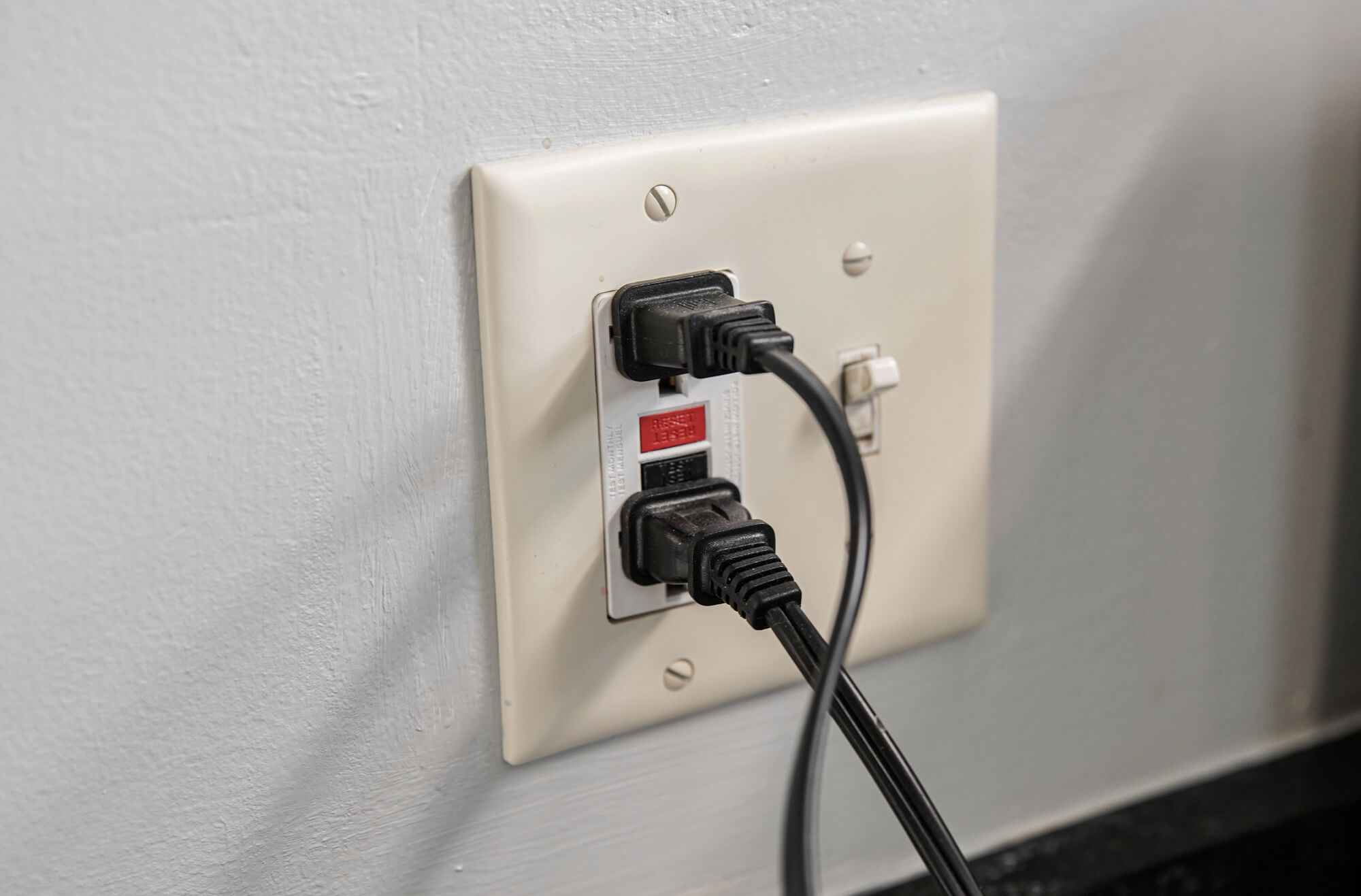
Installing GFCI outlets on ungrounded circuits is a code-approved workaround that provides shock protection. It doesn’t replace true grounding, but it significantly improves safety until rewiring can be done.
6. Call a Licensed Electrician
If multiple outlets test as ungrounded, or if you notice any warning signs above, have a licensed electrician evaluate your system thoroughly before using those circuits.
Ungrounded outlets are a code violation and shock hazard. Our electrical repair team upgrades outlets for homes safely.
When to Call an Electrician
Contact a licensed electrician if:
- Multiple outlets test as ungrounded or open ground
- Your home still has two-prong outlets throughout
- You’re experiencing shocks, sparks, or burning smells near outlets
- You want to add grounding protection for sensitive electronics or appliances
- A home inspection identified ungrounded circuits as a safety concern
Ungrounded outlets are not just an inconvenience — they are a genuine safety hazard that should be addressed promptly.
Electrical Repair Cost Estimates
The cost to address ungrounded outlets depends on the extent of the issue:
- Outlet tester (DIY check): $10 – $25
- GFCI outlet installation per outlet: $100 – $200
- Adding a ground wire to a single outlet: $150 – $300
- Rewiring a single room: $500 – $1,500
- Full home rewire: $5,000 – $15,000+
Installing GFCI protection is a more affordable short-term solution, while full rewiring provides permanent grounding protection throughout your home.
How to Prevent Issues With Ungrounded Outlets
- Schedule an electrical inspection if your home is over 40 years old
- Never replace two-prong outlets with three-prong without proper grounding
- Use GFCI outlets on ungrounded circuits as an approved safety measure
- Avoid relying on surge protectors on ungrounded circuits — they won’t protect equipment effectively
- Budget for rewiring if your home has outdated or two-wire electrical systems
Frequently Asked Questions
Is it safe to use an ungrounded outlet?
Ungrounded outlets can be used with caution, but they do not provide protection against electrical surges or faults. Sensitive electronics and appliances should not be used on ungrounded circuits without at minimum GFCI protection.
Can I use a surge protector in an ungrounded outlet?
Surge protectors require a ground connection to divert excess voltage safely. Plugging one into an ungrounded outlet means the surge protection feature will not work, leaving your devices unprotected.
What’s the difference between a GFCI outlet and a grounded outlet?
A GFCI outlet protects against electric shock by detecting current imbalances and cutting power quickly. A grounded outlet provides a physical path for fault current to safely dissipate. Both offer different types of protection and are not interchangeable.
How do I know if my outlet is grounded?
Use an inexpensive outlet tester — plug it into the outlet and the indicator lights will show whether it is properly grounded, open ground, or has another wiring fault. Two-prong outlets are always ungrounded.