
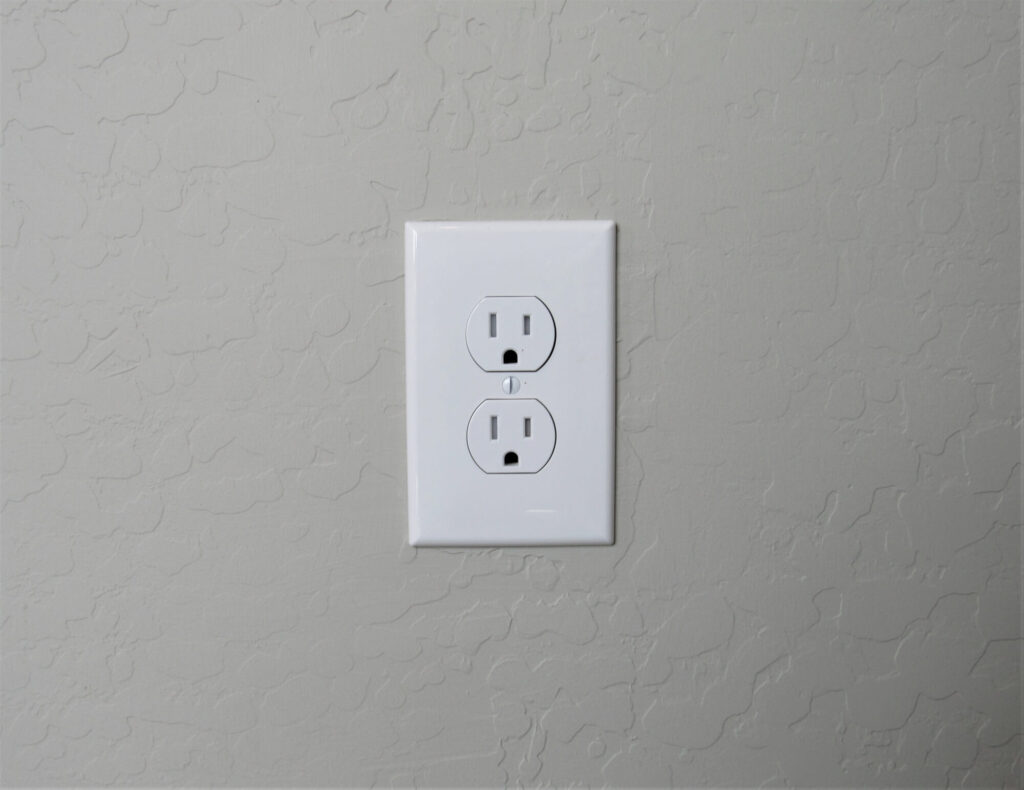
An outlet that works sometimes but not others is confusing precisely because it seems functional — until it isn’t. This intermittent behavior is actually more informative than an outlet that simply doesn’t work at all, because the pattern of when it fails often points directly to the cause. Here’s how to diagnose and address an outlet that works then stops.
Contents
⚡ Key Takeaways
- If your outlet suddenly stops working, check nearby GFCI outlets before doing anything else.
- If no GFCI is found to be tripped, check your electrical panel for a breaker that is in the middle position (tripped) rather than fully on or fully off.
- If the outlet works sometimes but loses power intermittently with no obvious correlation to load or GFCI trips, a loose wire connection is likely the cause.
The Most Likely Culprit: A Tripped GFCI Outlet
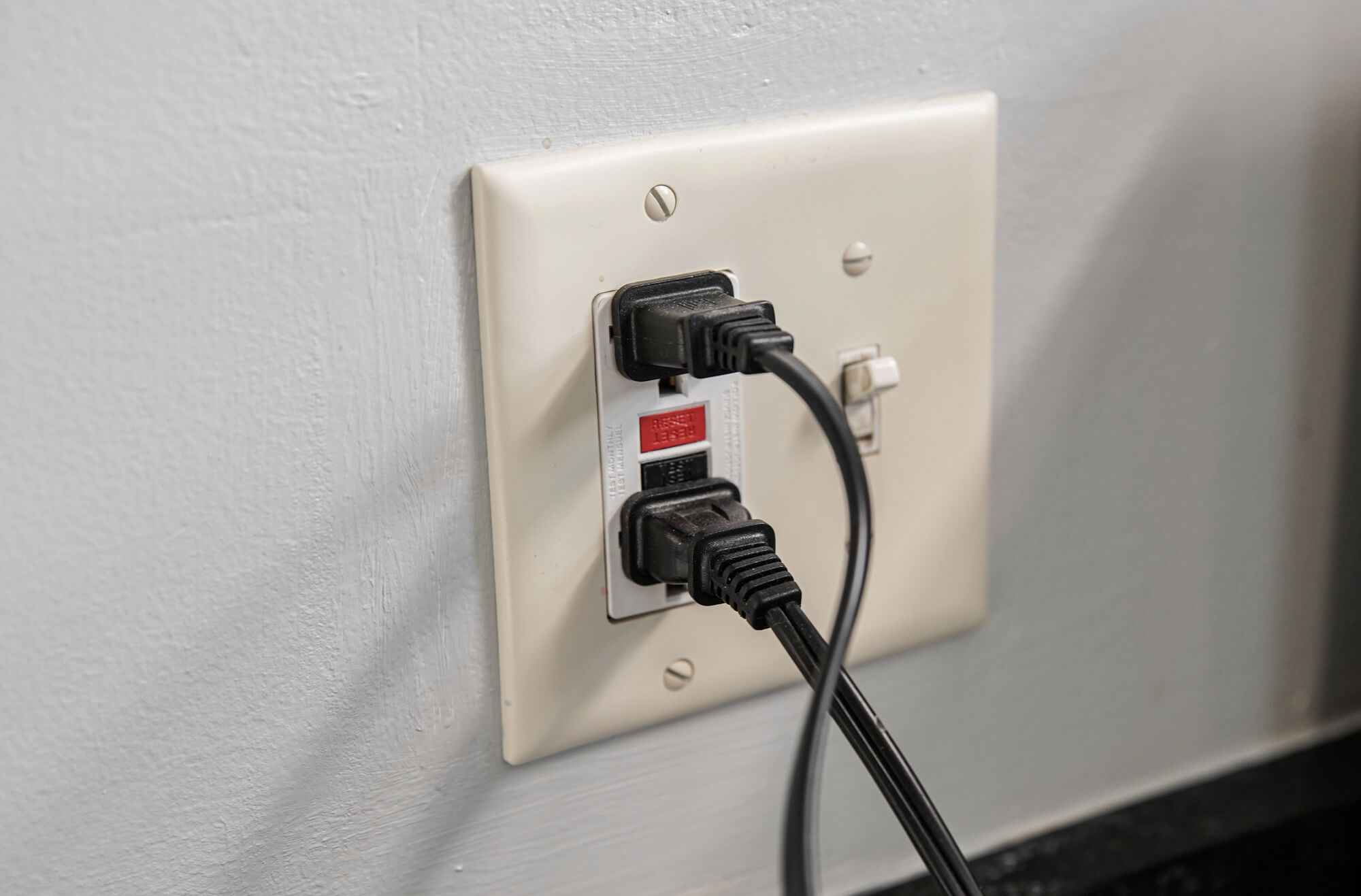
If your outlet suddenly stops working, check nearby GFCI outlets before doing anything else. Ground fault circuit interrupter (GFCI) outlets — the ones with the TEST and RESET buttons, typically found in kitchens, bathrooms, garages, and outdoor areas — protect downstream outlets on the same circuit. When a GFCI detects a ground fault, it trips and cuts power not only to itself but to any regular outlets “downstream” on the same circuit.
How to Find and Reset the Controlling GFCI
Walk through your kitchen, bathrooms, garage, and any outdoor outlets and look for a GFCI outlet with a tripped button (the RESET button will be popped out slightly). Press the RESET button firmly — you should hear or feel a click. Then check whether your dead outlet has power again. The GFCI controlling your outlet may not be in the same room, so check all GFCI outlets in the home if the first obvious candidates don’t resolve it.
Tripped Breaker on That Circuit
If no GFCI is found to be tripped, check your electrical panel for a breaker that is in the middle position (tripped) rather than fully on or fully off. A breaker that trips intermittently — particularly when certain appliances are used — usually indicates an overloaded circuit. Reset the breaker by pushing it firmly to the OFF position first, then back to ON.
Why Breakers Trip Intermittently
Breakers trip under overload (too much current draw), short circuit (a direct fault between conductors), or heat buildup. An outlet that works fine until you plug in a high-draw appliance like a hair dryer or vacuum, then stops, typically means the circuit is overloaded. The breaker protects against overheating and fire by cutting power before damage occurs.
Intermittent outlets often have wiring issues that worsen over time — our repair team serves residential properties.
Loose Wiring Connections
If the outlet works sometimes but loses power intermittently with no obvious correlation to load or GFCI trips, a loose wire connection is likely the cause. This is more serious and requires professional attention.
Why Loose Connections Cause Intermittent Failures
Electrical connections can loosen over time due to thermal cycling (wires expanding and contracting with heat from current flow), vibration, or poor installation. A loose connection may maintain contact most of the time but lose it when disturbed — when you move furniture near the outlet, when vibrations travel through the wall, or simply as the connection deteriorates further. Loose connections also create resistance at the joint, which generates heat and is a leading cause of electrical fires — the U.S. Consumer Product Safety Commission (CPSC) cites faulty wiring as one of the top electrical hazards in American homes.
Backstabbed Outlets
Older outlets are often wired using the “backstab” method — the wire is pushed into a spring clip on the back of the outlet rather than wrapped around a screw terminal. These spring clips are notoriously unreliable and frequently fail over time, causing intermittent connection problems. An electrician can replace backstabbed outlets with properly torqued screw-terminal connections in under an hour.
Worn Out or Damaged Outlet
Outlets don’t last forever. Outlet contacts can wear, especially in high-use locations, causing plugs to fit loosely and lose contact intermittently. If plugs fall out easily, the outlet is worn and should be replaced. This is a straightforward job for a licensed electrician.
When to Call an Electrician
You should call an electrician if: the GFCI keeps tripping (indicates a persistent ground fault that needs to be found); the breaker trips repeatedly on the same circuit; the outlet is warm or hot to the touch; you see scorch marks or smell burning at the outlet; or the problem recurs after GFCI reset or breaker reset without explanation. These patterns indicate wiring problems that can cause fires if left unaddressed.
Frequently Asked Questions
Why does my outlet stop working when I plug in my hair dryer?
A hair dryer typically draws 1,500–1,875 watts — often the largest single load on a circuit. If that circuit is already supplying other loads (a bathroom fan, lights, another small appliance), adding a hair dryer can push total current over the breaker’s rating. The breaker trips to prevent overheating. The solution is either to run high-draw appliances on dedicated circuits or to not run the hair dryer simultaneously with other heavy loads on the same circuit.
My outlet worked, then stopped, and won’t reset — what’s wrong?
If a GFCI won’t reset (or trips again immediately after resetting), there is an active ground fault on the circuit — meaning electricity is finding an unintended path to ground. This indicates a wiring fault, a damaged appliance, or moisture intrusion in an outlet or fixture. An electrician needs to identify and correct the fault before the GFCI will hold its reset position.
Can I fix a loose outlet connection myself?
Outlet replacement and connection tightening should be done by a licensed electrician. Even with power turned off at the breaker, there are safety considerations around working inside electrical boxes. Incorrect wiring can create shock hazards and fire risks.
How do I know if my outlet is worn out?
Signs of a worn outlet include: plugs fit loosely and fall out on their own; you have to wiggle the plug to maintain a connection; the outlet is discolored or has burn marks around the slots; or devices lose power if you touch the cord near the outlet. Replace worn outlets promptly.
Why does my outdoor outlet work sometimes and not others?
Outdoor outlets are particularly susceptible to GFCI trips caused by moisture intrusion. Water getting into the outlet box — especially after rain — can trigger the GFCI repeatedly. Ensure the outlet has a proper weatherproof cover that seals when not in use, and have an electrician inspect the box if moisture intrusion is occurring.