
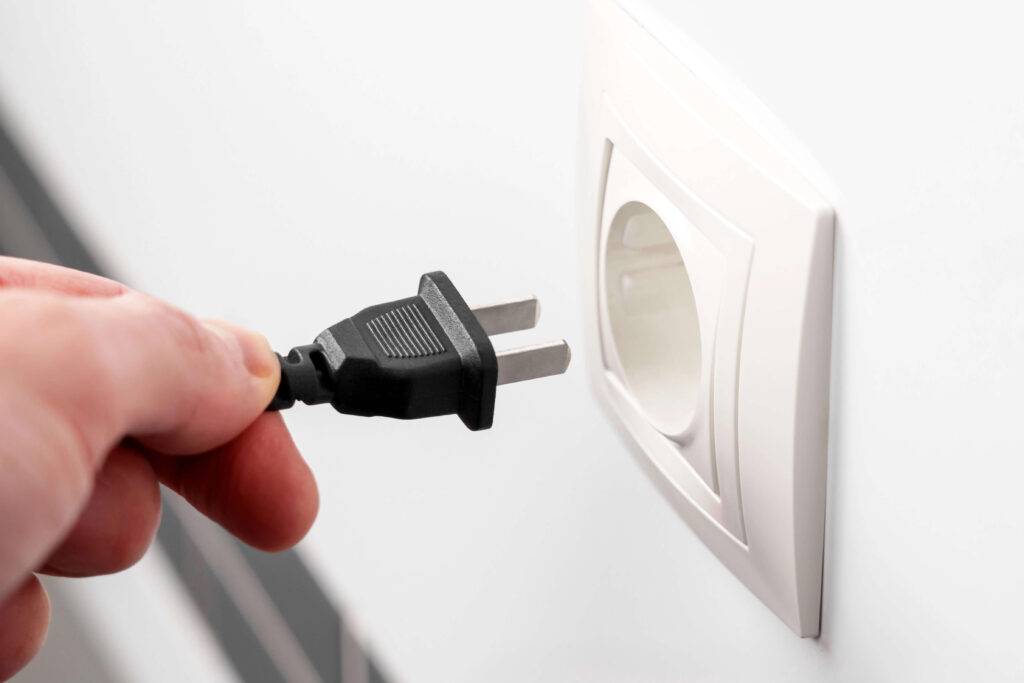
A plug falls out of an outlet the moment you let go — it’s frustrating, inconvenient, and potentially dangerous. Loose outlets are a surprisingly common problem in US homes, and while it might seem like a minor annoyance, a plug that won’t stay in can cause arcing, overheating, and fire hazards — risks documented by the U.S. Consumer Product Safety Commission (CPSC) in connection with loose or damaged outlets. This guide covers the common causes, how to troubleshoot the issue safely, and when to call a professional.
Contents
- 1 What It Means When a Plug Falls Out of an Outlet
- 2 Common Causes of a Plug Falling Out of an Outlet
- 3 Warning Signs the Problem Is Serious
- 4 How to Troubleshoot a Loose Outlet
- 5 When to Call an Electrician
- 6 Electrical Repair Cost Estimates
- 7 How to Prevent Plugs From Falling Out of Outlets
- 8 Frequently Asked Questions
⚡ Key Takeaways
- When a plug falls out of an outlet, it typically means the metal contact points inside the outlet have worn down or lost tension.
- Replace or repair the outlet promptly if you notice any of the following:
- Follow these steps before calling an electrician:
What It Means When a Plug Falls Out of an Outlet
When a plug falls out of an outlet, it typically means the metal contact points inside the outlet have worn down or lost tension. Every time a plug is inserted and removed, these contacts flex slightly. Over time — especially on frequently used outlets — they lose their grip and can no longer hold a plug securely.
A loose outlet is more than an inconvenience. Common risks include:
- Arcing between the plug prongs and the outlet contacts
- Overheating at the connection point
- Intermittent power loss to connected devices
- Increased fire and shock risk
Common Causes of a Plug Falling Out of an Outlet
1. Worn Outlet Contacts
The most common cause. Outlet contacts are made from spring-loaded metal that gradually loses tension with repeated use. Once worn, the contacts can no longer grip plug prongs firmly.
2. Old or Outdated Outlets
Electrical outlets have a lifespan of around 15 to 25 years. As outlets age, the internal components degrade even without heavy use, resulting in a loose fit for plugs.
3. Plug Design or Size Mismatch
Some plugs — particularly those on older appliances or foreign-made products — have slightly undersized prongs that don’t fully engage the contacts of a standard US outlet.
4. Outlet Was Installed Incorrectly
An outlet installed without being fully secured to the electrical box, or with contacts that weren’t properly set during installation, can exhibit a loose fit from day one.
5. Damage from Overloading or Surges
Repeated overloading or power surges can distort or damage the internal contacts of an outlet, causing them to lose their grip over time.
Warning Signs the Problem Is Serious
Replace or repair the outlet promptly if you notice any of the following:
- Sparks when inserting or removing a plug
- Outlet feels warm or hot to the touch
- Burn marks or discoloration around the outlet
- Burning smell near the outlet
- Lights flicker when devices are plugged in
- Circuit breaker trips when that outlet is in use
How to Troubleshoot a Loose Outlet
Follow these steps before calling an electrician:
1. Test Multiple Plugs in the Outlet
Try plugging in a different device. If all plugs fall out, the outlet contacts are worn and the outlet needs replacement. If only one plug falls out, the issue may be with the plug itself.
2. Check the Plug Prongs
Examine the plug for bent, corroded, or undersized prongs. A damaged plug should be replaced rather than forcing it into an outlet repeatedly.
3. Inspect the Outlet for Damage
Look for burn marks, cracks, or discoloration on the outlet faceplate. Any visible damage means the outlet should be replaced immediately.
4. Avoid Using the Outlet Until Repaired
A loose outlet that causes arcing or heat is a fire hazard. Stop using it and either replace it yourself (if you’re comfortable with basic electrical work) or call an electrician.
5. Replace the Outlet
Standard duplex outlets are inexpensive and can be replaced by a competent DIYer following proper safety procedures. Always turn off the circuit breaker before working on any outlet. If in doubt, call a licensed electrician.
6. Consider a Tamper-Resistant Outlet
When replacing an outlet, consider upgrading to a tamper-resistant outlet, which meets current NEC code and provides additional safety for homes with children.
Loose outlet contacts are a hazard — our electrical repair team replaces worn outlets in homes quickly.
When to Call an Electrician
Call a licensed electrician if:
- The outlet shows burn marks, sparks, or heat
- Replacing the outlet yourself is not something you’re comfortable with
- Multiple outlets in the same area are loose or failing
- The circuit breaker trips when the outlet is used
- You smell burning near the outlet or wall
What appears to be a simple loose outlet can conceal more serious wiring issues behind the wall that require professional diagnosis.
Electrical Repair Cost Estimates
The cost to fix a plug that falls out of an outlet is generally low:
- Standard duplex outlet replacement (DIY): $5 – $15 for parts
- Outlet replacement by electrician: $75 – $200
- GFCI outlet replacement: $100 – $250
- Outlet with wiring repair: $150 – $400
- Multiple outlet replacement (whole room): $300 – $800
Replacing a worn outlet is one of the more affordable electrical repairs. Delaying the fix, however, can lead to more costly damage from arcing or fire.
How to Prevent Plugs From Falling Out of Outlets
- Replace outlets that are 20+ years old as part of routine home maintenance
- Avoid yanking cords from the wall — always grip the plug itself
- Don’t overload outlets with heavy appliances repeatedly
- Use outlet covers on unused outlets to reduce wear
- Have outlets in high-use areas inspected periodically
Frequently Asked Questions
Is a loose outlet dangerous?
Yes. A loose outlet can cause arcing between the plug prongs and the outlet contacts, which generates heat and can ignite surrounding materials. If a plug falls out repeatedly, the outlet should be replaced promptly.
Can I fix a loose outlet myself?
Replacing a standard outlet is a manageable DIY task for someone comfortable with basic electrical work, provided the power is switched off at the breaker first. If you’re unsure, it’s always safest to hire a licensed electrician.
Why do some plugs stay in while others fall out?
Different plugs have slightly different prong widths and thicknesses. A worn outlet may still grip some plugs while failing to hold others. This indicates the contacts are marginal and the outlet should be replaced.
How long do electrical outlets last?
Most electrical outlets last between 15 and 25 years under normal use. Outlets in high-traffic areas — such as kitchens, garages, and living rooms — may wear out sooner and should be inspected and replaced as needed.