
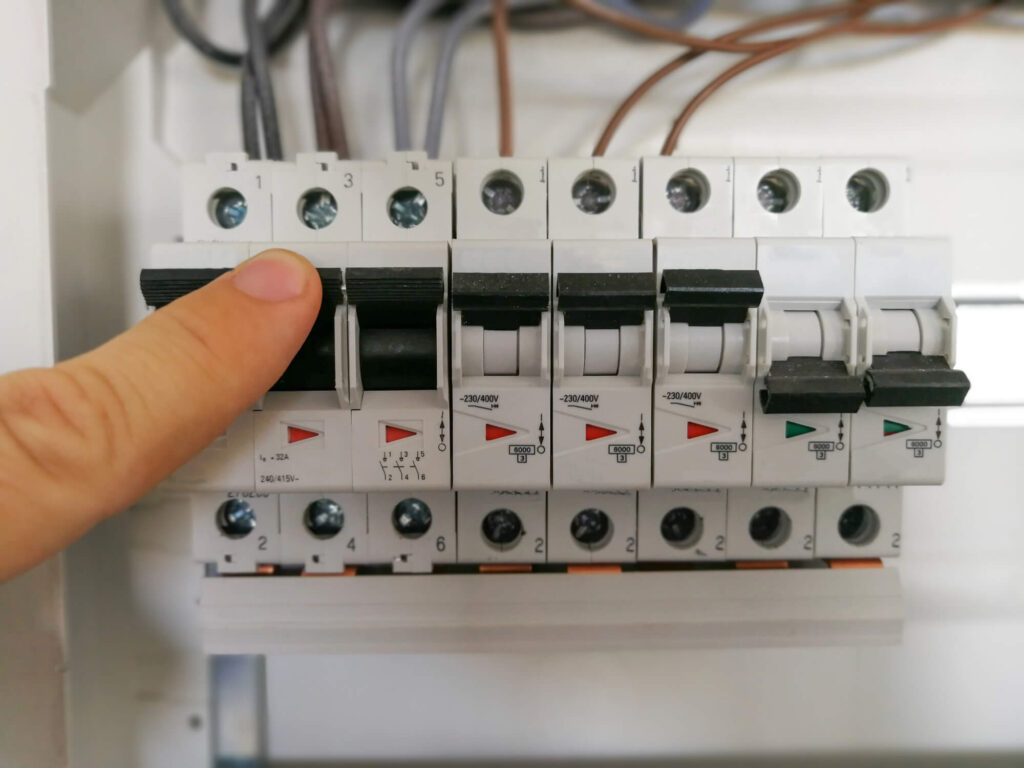
If a circuit breaker — the CPSC Electrical Safety Guide warns that a breaker that refuses to reset often indicates a persistent short circuit or ground fault that must be diagnosed and resolved before power can safely be restored won’t reset, it usually means the electrical system has detected a fault that needs to be addressed before power can safely return. Circuit breakers are designed to shut off electricity when circuits become overloaded or unsafe. While resetting the breaker may restore power temporarily, a breaker that refuses to reset often indicates a deeper electrical problem.
⚡ Key Takeaways
- A circuit breaker trips when it detects excessive electrical current or a fault within the circuit.
- Several electrical problems can prevent a breaker from resetting.
- If your breaker has tripped, you can try resetting it using these basic steps.
Circuit Breaker Won’t Reset? What It Means
A circuit breaker trips when it detects excessive electrical current or a fault within the circuit. When you try to reset it and it immediately trips again, the breaker is likely detecting a problem such as a short circuit, ground fault, or overloaded circuit.
Breakers are an important safety feature that prevents overheating wires, damaged appliances, and potential electrical fires.
Common Reasons a Circuit Breaker Won’t Reset
Several electrical problems can prevent a breaker from resetting.
- Overloaded circuit – Too many appliances drawing power from the same circuit.
- Short circuit – When a hot wire contacts another wire or neutral.
- Ground fault – Electricity escaping the circuit and flowing to ground.
- Faulty appliance – A damaged appliance may cause the breaker to trip immediately.
- Damaged wiring – Loose or deteriorating wiring can trigger breaker trips.
- Defective breaker – Older breakers may fail and need replacement.
If the breaker trips immediately after resetting, it usually indicates a short circuit or electrical fault that should be inspected by a professional.
How to Reset a Circuit Breaker Safely
If your breaker has tripped, you can try resetting it using these basic steps.
- Turn off appliances connected to the affected circuit
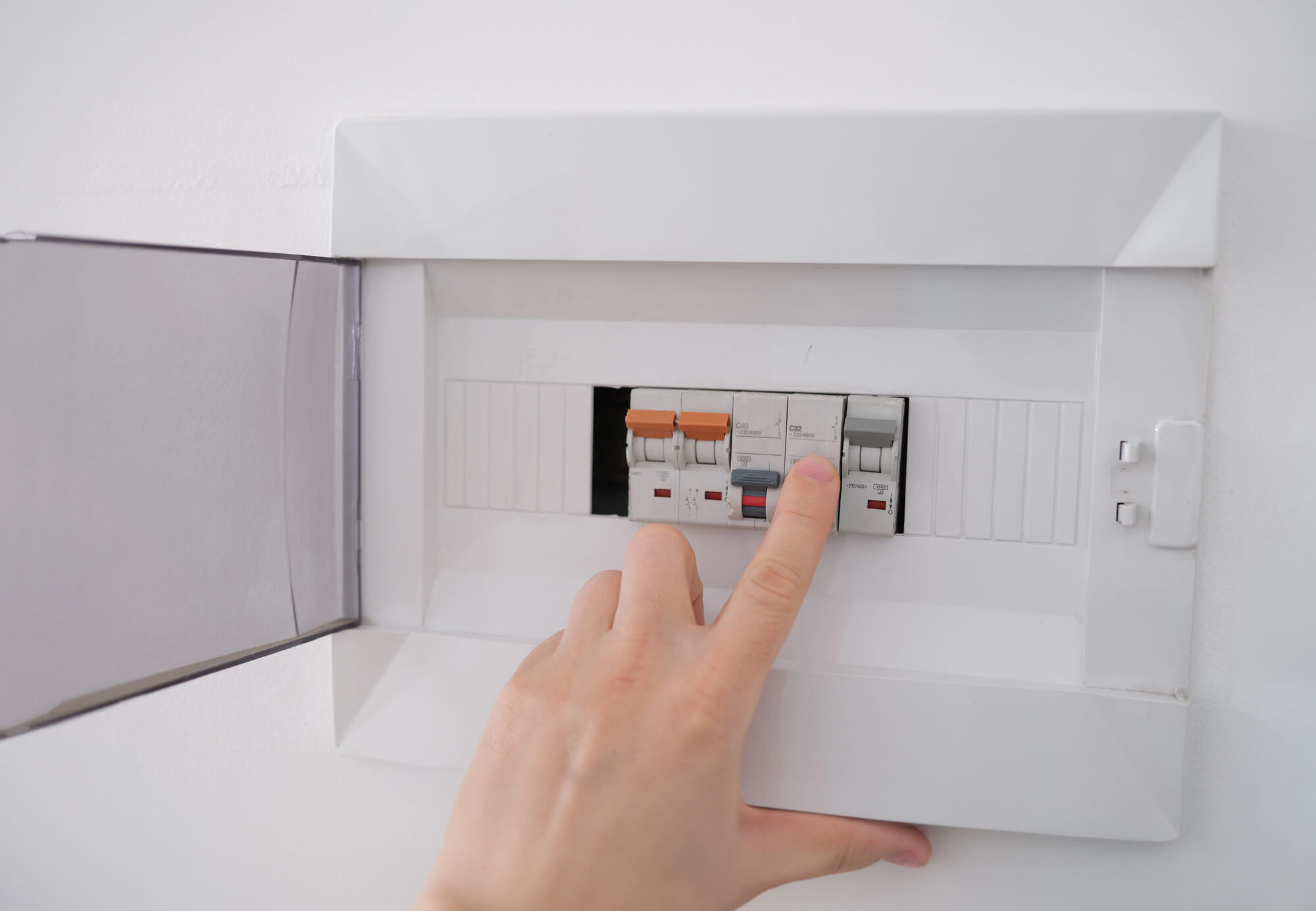
- Locate the tripped breaker in the electrical panel
- Move the breaker fully to the “off” position
- Firmly switch it back to the “on” position
If the breaker immediately trips again, avoid repeatedly resetting it because this can damage the electrical system.
Signs the Problem Could Be Serious
Some breaker issues indicate potentially dangerous electrical problems.
- Burning smell near the breaker panel
- Breaker feels hot to the touch
- Buzzing or crackling sounds from the panel
- Sparks when resetting the breaker
- Breaker trips immediately after resetting
If you notice these warning signs, shut off power to the circuit and contact a licensed electrician immediately.
A breaker that won’t reset often needs panel work — our panel specialists and repair team can help.
Local, licensed electricians available 24/7
What Does It Cost to Fix a Circuit Breaker?
The cost to repair a breaker issue depends on the cause of the problem.
- Breaker replacement: $150 – $350
- Electrical troubleshooting visit: $100 – $250
- Wiring repair: $300 – $800
- Electrical panel upgrade: $2,000 – $4,500+
An electrician can inspect the breaker panel, test the circuit, and determine the safest repair.
How to Prevent Breaker Problems
Preventative maintenance can help reduce breaker issues in your home.
- Avoid overloading outlets and circuits
- Replace damaged appliances
- Upgrade outdated electrical panels
- Install dedicated circuits for high-power appliances
- Schedule periodic electrical inspections
Electrical Code Compliance & Safety Upgrades
Circuit breaker failures often signal that your electrical system is either overloaded or aging. Many older homes with 100-amp panels are undersized for modern appliance loads — dishwashers, HVAC systems, water heaters, and electric vehicle chargers all draw significant power. According to the National Electrical Code (NEC), residential panels should be designed with a minimum 200-amp service for new construction, and upgrading older systems is often necessary for both safety and compliance.
If your breaker won’t reset, a licensed electrician should inspect whether your panel can handle current demand. A dedicated circuit upgrade — adding a separate 20-amp or 30-amp breaker for high-draw appliances — can prevent repeated trips and reduce fire risk. If your home is over 30 years old and experiencing frequent breaker issues, a full panel upgrade to 200 amps may be the safest long-term solution, though this typically costs $3,000–$4,500 and requires a building permit.
Diagnosing the Problem: When to Test vs. When to Call
Homeowners can safely perform basic troubleshooting steps: turning off connected appliances, checking for obvious burnt smells or discoloration near the panel, and attempting one reset. However, if the breaker trips again immediately or frequently, professional diagnosis is essential. Many breaker failures are caused by faulty appliances — a single bad device can trigger the breaker repeatedly even after repair attempts.
An electrician will use a multimeter and thermal imaging to identify whether the problem is an overloaded circuit, a specific faulty appliance, damaged wiring, or a defective breaker itself. This diagnostic cost typically runs $100–$250 but prevents unnecessary and potentially unsafe troubleshooting. Never ignore a breaker that won’t reset or feels hot to the touch — these are fire hazards that require urgent professional attention.
Nuisance Trips and Load Management Strategies
Some circuit breakers trip repeatedly even after being reset, a condition known as nuisance tripping. This differs from a breaker tripping due to overload—it indicates an underlying electrical problem that requires diagnosis. Nuisance trips can be caused by a failing breaker that has lost sensitivity, an intermittent short circuit in wiring, or a combination of loads that push the circuit just beyond its capacity. For example, a 15-amp circuit powering a refrigerator, microwave, coffee maker, and lighting will trip intermittently if all devices run simultaneously. The solution involves either distributing the load to additional circuits (adding more breakers and wiring) or identifying and eliminating non-essential devices from the circuit. Some homeowners also install surge protectors on the circuit to absorb minor voltage spikes that might otherwise trigger a sensitive breaker. However, if a breaker continues tripping after reducing the load or moving devices to other circuits, the breaker itself may be defective and requires replacement. Continuing to reset a nuisance-tripping breaker is dangerous because the breaker’s safety mechanism may be failing, leaving the circuit unprotected if a serious overload or short circuit occurs. A licensed electrician can test the breaker, measure current draw on the circuit, and determine whether replacement or circuit redistribution is necessary. Addressing nuisance tripping promptly prevents the inconvenience of repeated outages and ensures your home’s electrical protection remains reliable.
Types of Circuit Breakers and What They Cost to Replace
Not all circuit breakers are the same — and the type you need affects both what trips them and what it costs to fix or replace them.
| Breaker Type | Cost to Replace | What It Protects Against |
|---|---|---|
| Standard single-pole (15A–20A) | $50–$150 | Overloads on general circuits |
| Standard double-pole (30A–60A) | $75–$200 | 240V appliances (dryers, A/C, water heaters) |
| GFCI breaker | $100–$250 | Ground faults near water (kitchens, baths, outdoors) |
| AFCI breaker | $135–$300 | Arc faults that cause electrical fires |
| Dual-function AFCI/GFCI | $150–$350 | Both arc faults and ground faults — required by 2020 NEC |
| Tandem / twin breaker | $75–$200 | Two circuits in one slot (only compatible panels) |
If your electrician recommends replacing rather than just resetting a breaker, expect to pay $75–$350 depending on the type. The labor is typically 30–60 minutes and included in the quoted price.
Circuit Breaker Won’t Reset: A Step-by-Step Diagnosis
Before calling an electrician, try these steps in order. If any step reveals a serious issue, stop and call a professional.
- 1. Unplug everything on the circuit. Remove all devices from outlets on that circuit. If you don’t know which outlets are on the tripped circuit, unplug everything in the affected room.
- 2. Push the breaker firmly to OFF, then back to ON. A breaker that’s tripped sits in the middle position. It must go fully to OFF before it can be reset to ON.
- 3. Listen for an immediate retrick. If the breaker trips as soon as you reset it with nothing plugged in, the problem is in the wiring or breaker itself — not the load. Call an electrician.
- 4. Plug devices back in one at a time. If the breaker trips when a specific appliance is plugged in, that appliance may be faulty or drawing too much current for the circuit.
- 5. Check for a faulty breaker. If the breaker feels loose, has a burning smell, or shows discoloration, it needs to be replaced regardless of whether it can be reset.
How to Know If Your Circuit Panel Needs a Full Upgrade
Sometimes a repeatedly tripped breaker isn’t about the breaker itself — it’s a sign your electrical panel can’t handle your home’s load. Signs you may need a panel upgrade alongside the breaker repair:
- Multiple circuits tripping frequently, not just one
- Lights dim when appliances start
- You’ve added major appliances (EV charger, hot tub, home office) since the panel was installed
- Your panel is a known problem brand (Federal Pacific, Zinsco, or older Pushmatic panels)
- Your main breaker is a 100A service and your home is over 1,500 sq ft
A licensed electrician can assess your panel’s capacity in about 15–20 minutes. If you’re already paying for a service call to fix a breaker, ask them to check overall panel health at the same time.
Frequently Asked Questions
Why does my breaker trip immediately after resetting?
This usually indicates a short circuit, ground fault, or faulty appliance connected to the circuit.
Can a circuit breaker go bad?
Yes. Breakers can wear out over time and may fail to reset properly. In this case the breaker usually needs replacement.
Is it safe to keep resetting a breaker?
No. If a breaker repeatedly trips, resetting it multiple times can increase the risk of overheating wires or damaging appliances.
When should I replace a circuit breaker?
A breaker should be replaced if it frequently trips, feels hot, fails to reset, or shows signs of physical damage.
Speak With a Licensed Electrician Today
If your circuit breaker won’t reset, the issue may involve overloaded circuits, faulty appliances, or damaged wiring. Electrical faults should be inspected quickly to ensure the safety of your home.
InstaElectricians connects homeowners with licensed electricians across the United States. Our network of professionals can diagnose breaker problems, repair wiring issues, and upgrade electrical panels when necessary.
Whether you need electrical troubleshooting or urgent electrical repairs, help is available right now.