
Older homes have charm and character — but they also come with electrical systems that were never designed for the demands of modern living. Wiring installed decades ago may lack proper grounding, insulation may have degraded, and panel capacity is often a fraction of what today’s households require. This guide covers the key electrical safety concerns in older homes and what homeowners should do to address them.
⚡ Key Takeaways
- From an electrical safety standpoint, homes built before 1980 may have wiring systems, panels, and protection devices that don’t meet current standards.
- Homes built before the 1940s may still have knob-and-tube (K&T) wiring — an early electrical system that uses separate hot and neutral conductors held apart by ceramic knobs and run through ceramic tubes.
- Between approximately 1965 and 1973, aluminum wiring was commonly used in residential construction as a cost-saving measure.
What Counts as an “Older Home” for Electrical Purposes?
From an electrical safety standpoint, homes built before 1980 may have wiring systems, panels, and protection devices that don’t meet current standards. Homes built before 1960 are particularly likely to have wiring types and panel configurations that present elevated safety risks. The older the home, the more important a professional electrical inspection becomes.
Knob-and-Tube Wiring
Homes built before the 1940s may still have knob-and-tube (K&T) wiring — an early electrical system that uses separate hot and neutral conductors held apart by ceramic knobs and run through ceramic tubes. K&T wiring has no ground conductor, cannot safely support modern three-prong outlets, and its rubber insulation becomes brittle and crumbles with age. Many insurers refuse to cover homes with active K&T wiring, and most electricians recommend replacement.
Aluminum Wiring
Between approximately 1965 and 1973, aluminum wiring was commonly used in residential construction as a cost-saving measure. Aluminum expands and contracts more than copper with temperature changes, causing connections to loosen over time. Loose aluminum connections overheat, and aluminum wiring is associated with a significantly elevated fire risk compared to copper. Homes with aluminum branch circuit wiring should be assessed by a licensed electrician and either rewired or have all connections upgraded with approved anti-oxidant compound and CO/ALR-rated devices.
Two-Prong Ungrounded Outlets
Homes built before the mid-1960s often have two-prong outlets throughout — a sign that the wiring lacks a ground conductor. Ungrounded wiring does not protect against electric shock from ground faults and cannot support modern three-prong devices without an adapter. Options include rewiring with grounded cable, installing GFCI outlets (permitted as a code-compliant alternative to grounding in existing installations), or adding ground wires where feasible.
Fuse Boxes and Recalled Panels
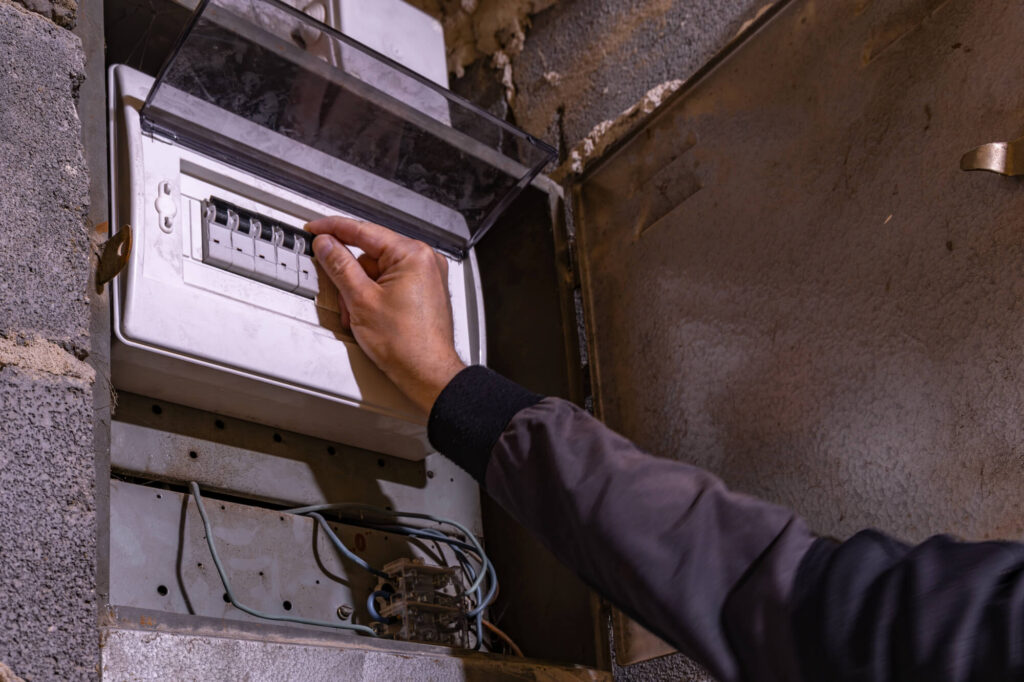
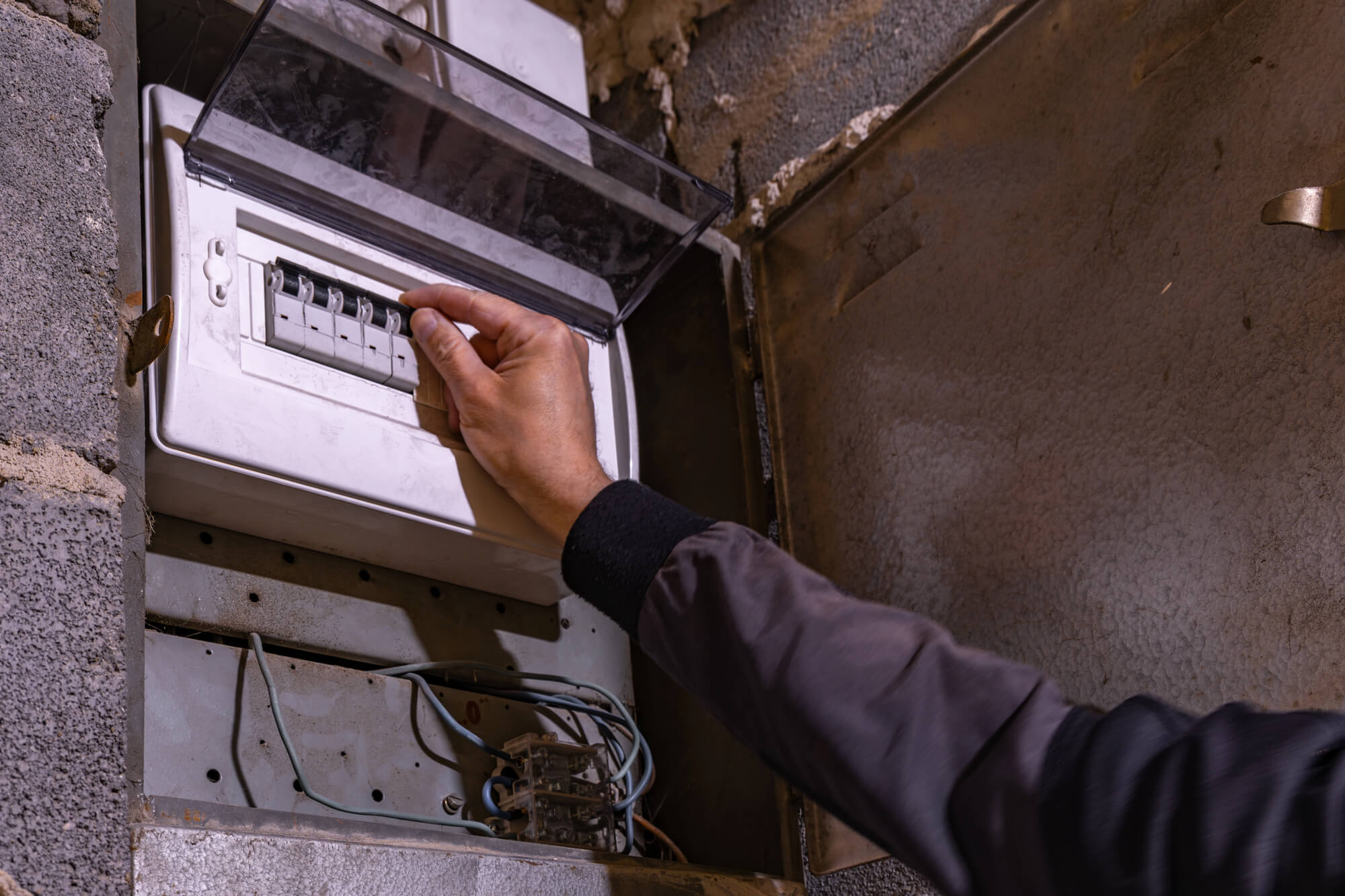
Many older homes still use fuse boxes rather than modern circuit breaker panels. Fuse boxes are not inherently dangerous, but they were designed for electrical loads far below what modern households require, and they create a temptation to install oversized fuses that bypass overload protection. Additionally, panels from Federal Pacific Electric (Stab-Lok) and Zinsco, installed from the 1950s through the 1980s, have documented fire safety failures and should be replaced immediately.
Insufficient Panel Capacity
Homes built before 1970 often have 60–100 amp service — designed for a time when homes had far fewer electrical demands. Adding air conditioning, modern appliances, electric vehicle chargers, or home office equipment to a 60-amp panel creates chronic overloading conditions. Upgrading to 200-amp service resolves capacity issues and brings the panel up to modern safety standards.
Older homes often have outdated wiring that poses real risks. Our electrical inspection service can identify hazards and our team can bring your home up to modern safety standards.
What to Do If You Have an Older Home
If your home was built before 1980, the most important step is scheduling a full electrical inspection with a licensed electrician. An inspection will identify which systems meet current safety standards, which need updating, and prioritize repairs by safety risk. Don’t wait for a problem to appear — many electrical fire hazards develop silently inside walls — the U.S. Consumer Product Safety Commission (CPSC) reports that older wiring is among the top causes of residential electrical fires long before any visible symptoms emerge.
Comprehensive Home Electrical Assessment and Upgrade Strategy
If you own an older home, a systematic electrical assessment should be your first step toward safety. Hire a licensed electrician to perform a full home electrical inspection; the inspection should include panel capacity assessment, circuit load analysis, outlet grounding verification, identification of aluminum or knob-and-tube wiring, water damage or moisture around electrical components, and checking for code violations. Request a written report ranking all findings by severity: immediate hazards (exposed wires, burning smells, failed GFCI outlets), near-term priorities (missing grounding, inadequate GFCI/AFCI protection), and long-term upgrades (panel expansion, rewiring, service upgrade). The typical cost for a comprehensive home electrical inspection is $200–$400 and takes 2–3 hours. Based on findings, develop a phased upgrade plan that addresses urgent safety issues first while planning for longer-term improvements. Many electricians can prioritize work across multiple seasons or budget cycles, allowing you to spread costs over time while steadily improving safety. Additionally, some utility companies and local governments offer rebates or financing for electrical safety upgrades; inquire about these programs when planning your improvements, as they can significantly reduce upfront costs.
Service Upgrade Decisions: When 100 Amps Becomes Insufficient
Most homes built before 1980 have 100-amp electrical service, which is increasingly insufficient for modern electrical demands. A 100-amp service is barely adequate for a home with only basic appliances and no electric heating; adding air conditioning, electric vehicle charging, modern appliances, or home office equipment often overloads the service, causing constant breaker trips. Upgrading to 200-amp service costs $3,000–$8,000 and involves replacing the main breaker, service lines, meter, and often the panel itself. While expensive, upgrading service capacity is worthwhile if your home frequently experiences breaker trips, if you’ve recently added major appliances, or if you’re planning to add an EV charger or heat pump. The upgrade also significantly increases home value and future-proofs the electrical system for the next 30+ years. Plan a service upgrade simultaneously with other rewiring projects (such as rewiring for knob-and-tube or aluminum wire replacement) to reduce total labor costs. Discuss timeline and budget with your electrician; many recommend completing critical safety upgrades (rewiring, AFCI installation, GFCI installation) before investing in service upgrades, since safety improvements provide immediate risk reduction while service upgrades address capacity limitations.
Frequently Asked Questions
How do I know if my home has knob-and-tube wiring?
Check your attic and basement for wiring that runs along single conductors (not wrapped together), supported by ceramic knobs, and passes through ceramic tubes where it goes through joists. A licensed electrician can confirm during an inspection.
Can I get home insurance with old wiring?
Many insurers charge surcharges for homes with knob-and-tube, aluminum branch circuit wiring, or recalled panel brands — and some refuse coverage entirely. Contact your insurer to understand how your home’s wiring affects your coverage and premium.
How much does it cost to rewire an older home?
Full rewiring of a home typically costs $8,000 – $20,000+ depending on size and accessibility. Partial rewiring of specific circuits or rooms is less expensive. A licensed electrician can assess the scope needed and provide a detailed quote.
Do I need to rewire my whole house if I have aluminum wiring?
Not necessarily. A licensed electrician can assess whether full rewiring is needed or whether approved connection remediation (using anti-oxidant compound and CO/ALR-rated devices at every connection point) is a safe and code-compliant alternative.