
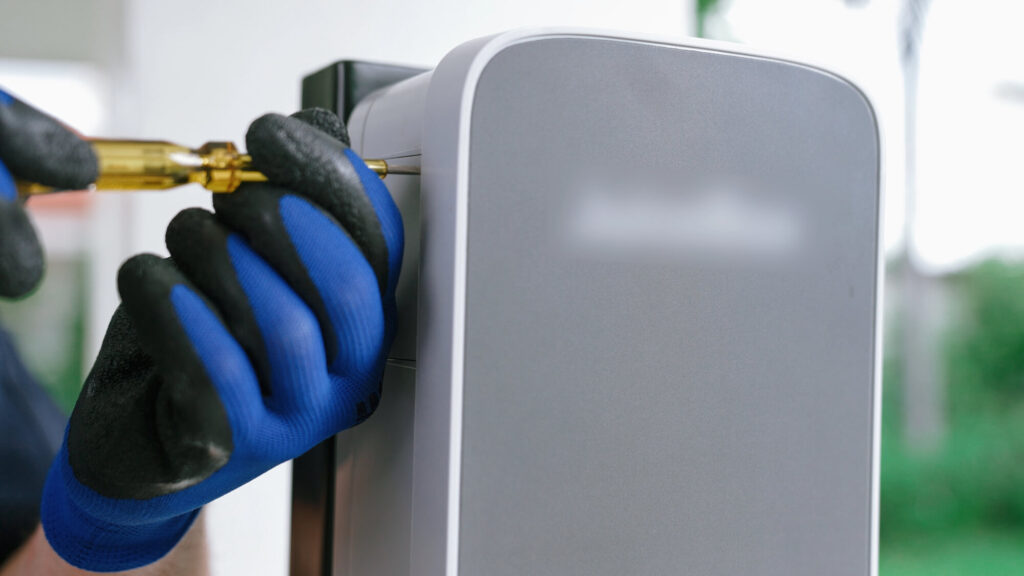
If you’re planning to install a home charging station — the U.S. Department of Energy’s Alternative Fuels Data Center (AFDC) provides detailed guidance on EV charger installation timelines and requirements, one of the first questions you’ll ask is how long EV charger installation takes. The good news is that most installations are completed faster than homeowners expect. However, the exact timeline depends on factors like your electrical system, permits, and charger type.
This guide explains realistic timelines, what can delay installation, and how to speed up the process.
⚡ Key Takeaways
- For a typical home, installing a Level 2 EV charger usually takes:
- Several factors influence how long your installation will take:
- Here’s what a typical EV charger installation timeline looks like:
How Long EV Charger Installation Takes for Most Homes
For a typical home, installing a Level 2 EV charger usually takes:
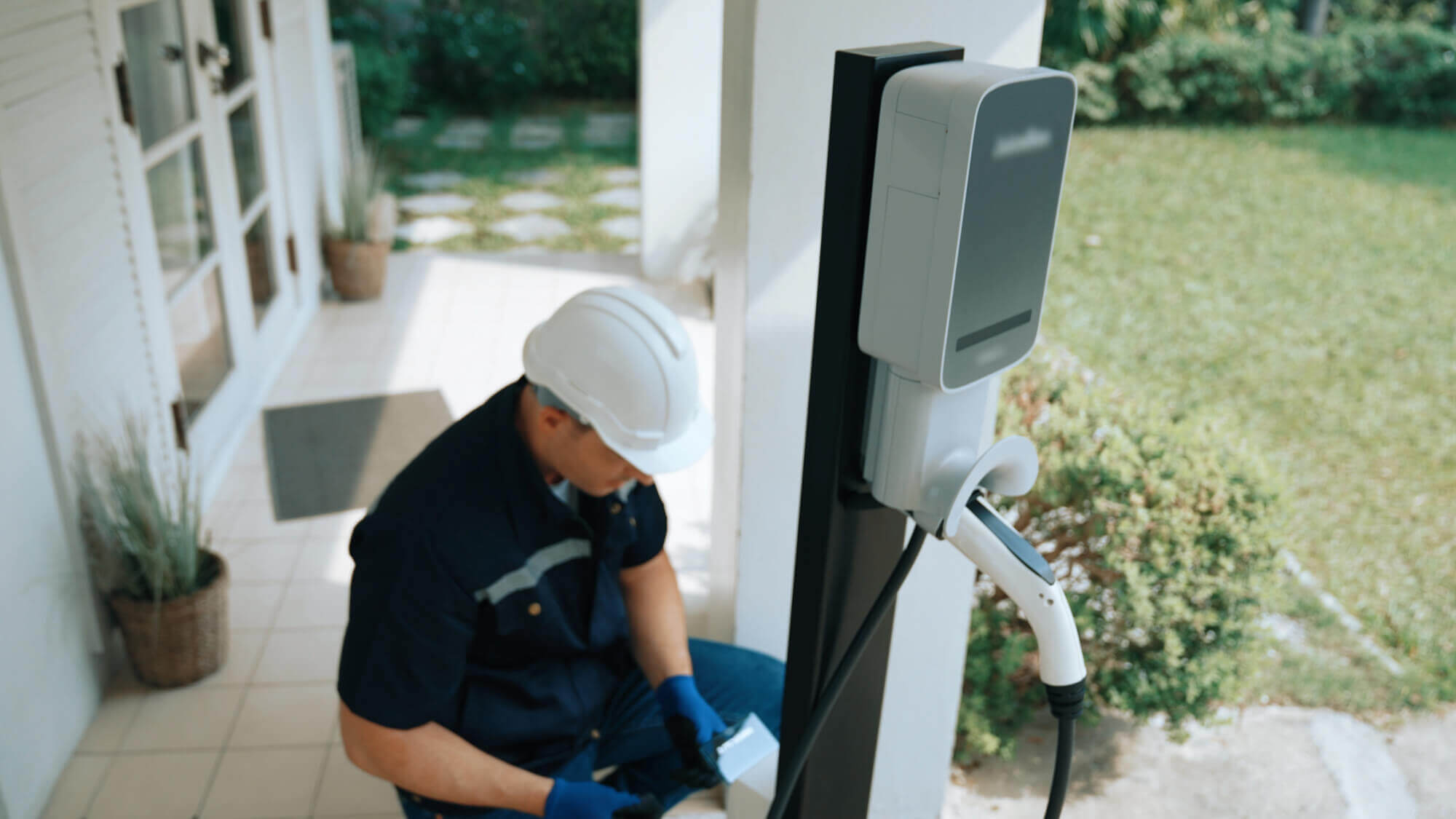
- Installation time: 2 to 6 hours
- Total project time (including permits): 1 to 2 weeks
If your electrical panel is ready and no upgrades are needed, the installation itself can often be completed in a single visit.
However, more complex setups can extend the timeline significantly.
What Affects EV Charger Installation Time?
Several factors influence how long your installation will take:
Electrical Panel Capacity
If your panel has enough capacity, installation is quick. If not, a panel upgrade may be required, adding days or even weeks.
Distance from Panel to Charger
Longer wiring runs increase installation time, especially if walls need to be opened or trenching is required.
Permit Requirements
Some areas require permits and inspections, which can add several days to the timeline.
Charger Type
- Level 1: Plug-and-play, no installation time
- Level 2: Requires professional installation
Home Construction Type
Concrete walls, finished basements, or detached garages can increase labor time.
Step-by-Step Installation Timeline
Here’s what a typical EV charger installation timeline looks like:
- Initial assessment: Same day or next day
- Quote and scheduling: 1 to 3 days
- Permit approval (if required): 1 to 10 days
- Installation: 2 to 6 hours
- Inspection (if required): 1 to 5 days
In many cases, the actual installation is the quickest part of the process.
When Installation Takes Longer
Some situations can extend the timeline beyond a single day installation:
Panel Upgrades Required
If your panel cannot handle the additional load, upgrading it can take several days, especially if utility coordination is needed.
Trenching or Outdoor Installations
Running power to a detached garage or outdoor charger may require trenching, which adds time and complexity.
Permit Delays
Backlogged local authorities can slow approval times, especially in busy areas.
Custom Installations
Smart chargers, load management systems, or multiple chargers can require additional setup and configuration.
Electrical Repair Costs That Can Affect Timeline
Sometimes installation reveals underlying electrical issues that must be fixed before proceeding.
- Panel upgrade: $1,000–$3,000+
- New circuit installation: $300–$800
- Wiring repairs: $150–$700
- Breaker replacement: $100–$300
These repairs can add both time and cost but are necessary for safety and code compliance.
Most EV charger installs take just a few hours. Contact our installation team to schedule and get an accurate timeline for your specific setup.
How to Speed Up EV Charger Installation
If you want your charger installed as quickly as possible, follow these tips:
- Hire a licensed electrician experienced with EV chargers
- Choose a charger compatible with your existing panel
- Confirm permit requirements in advance
- Schedule installation early to avoid delays
- Keep the installation area accessible
Preparation can significantly reduce your overall timeline.
Troubleshooting Installation Delays
If your EV charger installation is taking longer than expected, here are common causes and solutions:
Permit Approval Is Delayed
Contact your local building department to check the status and ask about expedited processing.
Electrical Panel Fails Inspection
Your electrician may need to upgrade or repair components before approval.
Unexpected Wiring Issues
Older homes may have outdated wiring that needs replacement before installation can continue.
Contractor Scheduling Conflicts
Busy electricians may delay installation. Booking early can help avoid this issue.
Can EV Charger Installation Be Done Same Day?
Yes, in many cases installation can be completed the same day if:
- Your panel has sufficient capacity
- No upgrades are needed
- Permits are not required or already approved
- The charger is installed close to the panel
This is the fastest and most cost-effective scenario.
Final Thoughts on EV Charger Installation Time
Most homeowners can expect EV charger installation to take just a few hours, with the full process completed within one to two weeks. While delays can happen, proper planning and working with experienced professionals can keep your project on track.
Investing in a professional installation ensures safety, compliance, and long-term reliability.
Call 855-436-0065 for Immediate Assistance
Labor Complexity Factors: From Simple to Challenging Installations
The on-site installation duration for EV chargers ranges from 4–8 hours depending on job complexity. A simple installation (charger within 20 feet of the electrical panel with clear conduit access and spare breaker capacity) takes 4–5 hours: 30 minutes for site assessment and safety setup, 1–2 hours for conduit and wire installation, 1 hour for charger mounting and connection, 30 minutes for testing and documentation. More complex jobs (charger 30–50 feet from panel or requiring new breaker installation) take 6–8 hours due to extended conduit runs and additional troubleshooting. Installations requiring panel upgrades or service expansion take 8–16 hours spread across multiple days—the initial assessment and panel work day is typically separate from the charger installation day. If your electrician discovers complications during installation (aluminum wiring, lack of accessible conduit space, missing or inadequate grounding), the work may extend beyond the initial estimate, adding $200–$500 in unexpected labor. Professional electricians build 15–20% contingency time into estimates; if the job completes faster than expected, you’re charged for actual time worked rather than the estimate, often resulting in savings. Communicate clearly with your contractor about your home’s electrical configuration (age, panel type, service amperage, presence of aluminum wiring) before work begins, as this allows accurate time estimation and prevents delays.
Permitting, Inspection, and Total Project Timeline
While on-site labor takes 1–2 days, the entire project timeline from first quote to activated charger spans 4–8 weeks when permits and inspections are included. Week 1 involves scheduling the electrician and filing the permit (3–5 business days to submit). Week 2–3 involves the utility company scheduling a meter/service inspection (1–2 weeks, sometimes longer in rural areas or busy seasons). Week 4 involves the actual charger installation (1–2 days of on-site work). Week 5–6 involves scheduling and completing the municipal electrical inspection (1–2 weeks). Only after the final municipal inspection passes can your charger legally operate and be activated with your EV. If you’re installing an EV charger urgently (e.g., before winter or before a long road trip), discuss expedited timelines with your electrician: some jurisdictions offer fast-track permitting for EV projects (reducing approval time to 1–2 weeks), and your electrician may be able to schedule your work during a lighter period to accelerate installation. However, you cannot skip inspections or operate an un-permitted charger, so realistic expectations about timeline are essential to avoid frustration.
Installation Day Logistics and Preparation
On the day of installation, your electrician will need 4–8 hours of uninterrupted access to your electrical panel, the charger location, and any intermediate conduit paths. Ensure your electrical panel is accessible (not blocked by furniture, storage boxes, or locked doors), and the charger installation location is clear and can accommodate the electrician’s equipment (ladder, conduit bender, drill). If you’re installing an outdoor charger, mark the location clearly and ensure the area is marked off to prevent trip hazards. Inform your electrician of any home access constraints (gated communities, shared panel rooms, scheduled deliveries) so they can plan accordingly. During installation, your home’s power will not be affected unless a panel upgrade or service switch is required; if service work is needed, the utility will schedule a 2–6 hour outage window—coordinate with your electrician and utility about the outage window and prepare by unplugging sensitive electronics, adjusting thermostat settings, and notifying family members. After installation is complete and the municipal inspection passes (typically 1–3 weeks later), your electrician will provide you with a final report and test results, which you should keep on file for warranty purposes and future home sales.
FAQ
How long does it take to install a Level 2 EV charger?
Most Level 2 EV charger installations take between 2 and 6 hours once work begins, depending on the complexity of the setup.
Can EV charger installation be completed in one day?
Yes, many installations can be completed in a single day if no panel upgrades or permits delay the process.
What delays EV charger installation the most?
The most common delays include permit approvals, panel upgrades, and complex wiring requirements.
Do older homes take longer for EV charger installation?
Yes, older homes may require electrical upgrades or wiring repairs, which can increase installation time.