
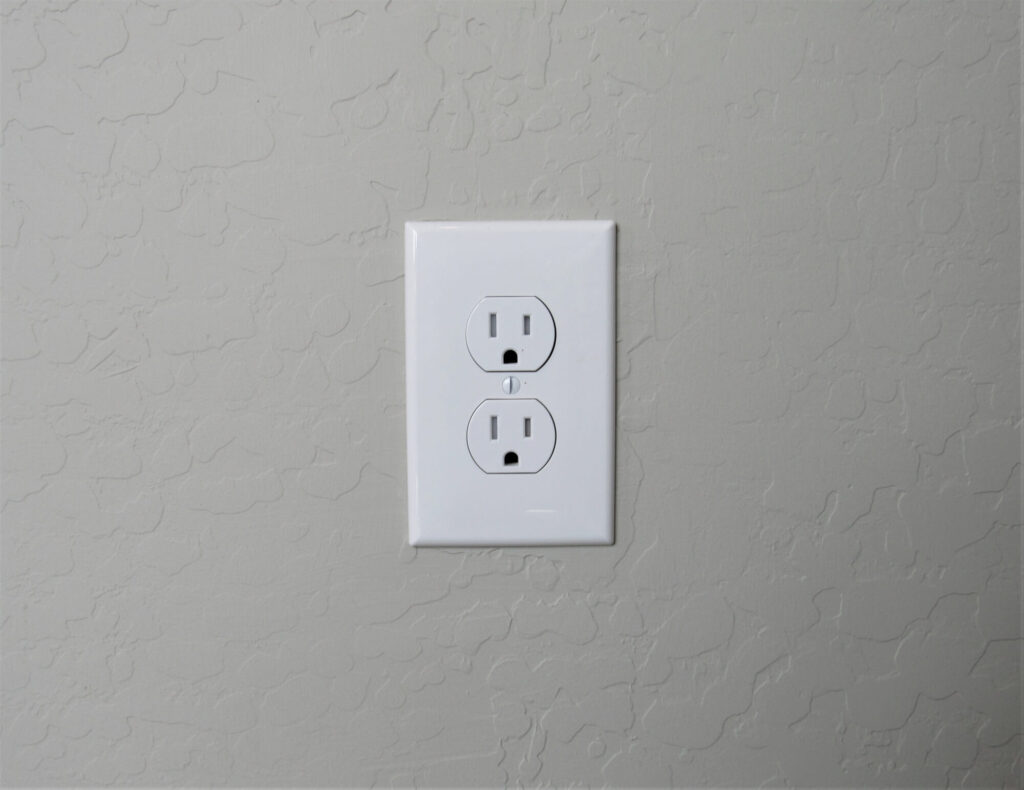
Two-prong outlets are common in older homes and often leave homeowners wondering: are they safe, and should I upgrade? The short answer is that two-prong outlets work, but they lack the grounding protection modern electronics and appliances need.
⚡ Key Takeaways
- Two-prong outlets have no ground wire, making them unsafe for sensitive electronics
- GFCI outlets are the code-approved way to protect ungrounded circuits without rewiring
- Replacing two-prong outlets with three-prong on an ungrounded circuit is a code violation unless GFCI-protected
- Full rewiring with a grounded circuit is the best long-term solution
- A licensed electrician can assess which upgrade path is right for your home
What Is a Two-Prong Outlet?
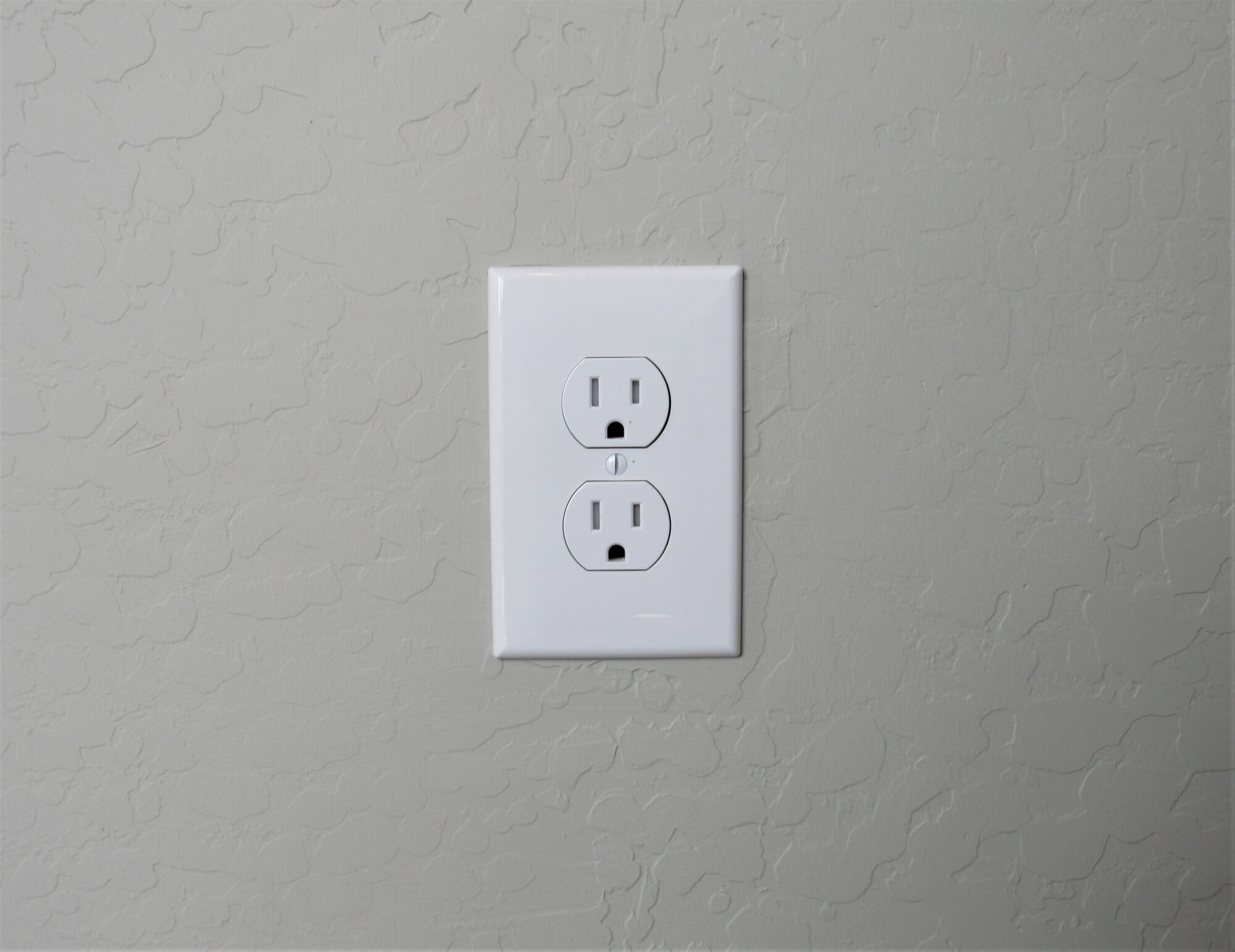
Two-prong outlets, also called ungrounded outlets, have only two slots: one for the hot wire and one for the neutral wire. They lack the third round hole that connects to a ground wire. Grounding provides a safe path for fault current to travel to the earth — protecting people and equipment from electric shock and damage.
Are Two-Prong Outlets Safe?
For basic lamp or appliance use, two-prong outlets can work without incident. However, they pose real risks:
- No shock protection from ground faults — if a live wire contacts a metal appliance casing, there’s no safe path for fault current
- No surge protection effectiveness — most surge protectors require a ground to function correctly
- Incompatible with modern electronics — computers, TVs, and medical equipment often require grounded outlets for safe operation
While not immediately dangerous for all uses, two-prong outlets are considered outdated and the NEC (National Electrical Code) has required grounded outlets in new construction since 1962. The U.S. Consumer Product Safety Commission (CPSC) also strongly recommends upgrading two-prong outlets to reduce the risk of electric shock.
Upgrade Options for Two-Prong Outlets
You have three main options when upgrading from two-prong to three-prong outlets:
Option 1: GFCI Outlet (No Rewiring Required)
A GFCI (Ground Fault Circuit Interrupter) outlet can replace a two-prong outlet on an ungrounded circuit. The NEC permits this — the GFCI provides shock protection even without a ground wire. The outlet must be labeled “No Equipment Ground” on the face plate. This is the most cost-effective upgrade.
Option 2: Run a New Grounded Circuit
For the best protection, a licensed electrician can run a new circuit with a proper ground wire back to the panel. This is the gold standard but requires more labor and cost, especially in finished walls.
Option 3: Replace with Three-Prong (Only if Circuit Is Grounded)
If your electrical box has a grounded metal conduit or a ground wire is present, a simple outlet swap to three-prong is appropriate. Do not swap to three-prong on ungrounded circuits without GFCI protection — this is a code violation and creates a false sense of safety.
Cost to Upgrade Two-Prong Outlets
GFCI outlet replacement runs $100–$200 per outlet installed by a licensed electrician. If multiple outlets on the same circuit need upgrading, a single GFCI at the first outlet can protect all downstream outlets, reducing cost. Full rewiring of a circuit runs $300–$800+ depending on home size and accessibility.
When to Call a Licensed Electrician
Upgrading two-prong outlets involves working inside electrical boxes and potentially near your main panel. While a simple GFCI swap is within reach of experienced DIYers, we recommend calling a licensed electrician if:
- You’re unsure whether your circuit has any grounding
- You want to upgrade multiple outlets throughout the home
- You’re planning a full rewire for grounded circuits
- Your home has aluminum wiring or knob-and-tube wiring
Code Compliance and Insurance Implications of Outdated Outlets
Beyond safety concerns, homes with two-prong outlets may face complications with homeowners insurance and building code inspections. The National Electrical Code (NEC), which is adopted by most U.S. jurisdictions, requires three-prong grounded outlets in bathrooms, kitchens, and within 6 feet of water sources. Many insurance providers conduct electrical inspections and may refuse coverage or charge higher premiums for homes that significantly deviate from current code standards. Additionally, if a fire or electrical damage claim occurs and the home is found to have outdated electrical infrastructure, insurance may partially deny the claim or investigate whether code violations contributed to the damage. When selling a home, inspectors and lenders often flag two-prong outlets as deficiencies, which can affect property valuation and loan approval. Upgrading to three-prong outlets not only addresses the safety issue but also brings your home into compliance with modern building codes, improves insurability, and increases property appeal to future buyers.
Self-Testing GFCI Outlets: The Right Choice for Ungrounded Replacements
If your home has ungrounded (two-prong) outlets and you want to upgrade to a GFCI outlet without running a new ground wire, the NEC permits this under Section 406.4(D), provided the replacement outlet is GFCI protected. A self-testing GFCI outlet is the best option: it automatically performs a test of its protection circuit every 20–30 milliseconds and lights an indicator if the test fails, alerting you that the device is no longer protecting properly. Examples include the Leviton GFNT1-W (20-amp) and Hubbell GFRS15 (15-amp), both widely available at electrical supply houses.
These self-testing outlets cost $40–$60 each, about double the price of standard GFCI outlets, but the added cost is justified. They eliminate uncertainty: you know at a glance whether your ground-fault protection is functioning. Standard GFCI outlets have test and reset buttons you’re expected to press monthly, but many homeowners forget or skip this maintenance. Self-testing GFCI outlets require no user intervention; they monitor themselves and alert you automatically if anything goes wrong.
NEC 406.4(D)(3) also requires that any ungrounded outlet protected by GFCI have the label “No Equipment Ground” affixed below the outlet—a reminder to users that the outlet lacks a ground pin and should not be used for equipment that requires grounding. This is a straightforward retrofit that meets code, protects against ground faults (the primary hazard in wet areas), and is simpler and cheaper than running new ground wire through walls. For kitchens, bathrooms, and outdoor outlets on ungrounded circuits, self-testing GFCI outlets are the practical and code-compliant choice.
Frequently Asked Questions
Can I just replace a two-prong outlet with a three-prong outlet?
Only if the circuit is grounded. If there’s no ground wire, installing a three-prong outlet without GFCI protection is a code violation. Use a GFCI outlet instead and label it “No Equipment Ground.”
Is it safe to use an adapter on a two-prong outlet?
Three-prong to two-prong adapters (cheater plugs) are not recommended. They provide no grounding protection and are considered a temporary workaround at best. Replace the outlet properly for long-term safety.
Do I need to rewire my whole house to upgrade outlets?
No. GFCI outlets are code-approved for ungrounded circuits and provide shock protection without rewiring. One GFCI at the start of a circuit can protect all downstream outlets on that circuit.
How much does it cost to upgrade two-prong outlets to three-prong?
GFCI outlet replacement runs $100–$200 per outlet installed. A licensed electrician can often protect multiple outlets from one GFCI, reducing overall cost. Full circuit rewiring costs $300–$800+ per circuit.
Will surge protectors work with ungrounded outlets?
Most surge protectors require a ground to function correctly. Without grounding, they may not protect your equipment from voltage spikes. Upgrade to GFCI outlets and use surge protectors on properly grounded circuits for full protection.