
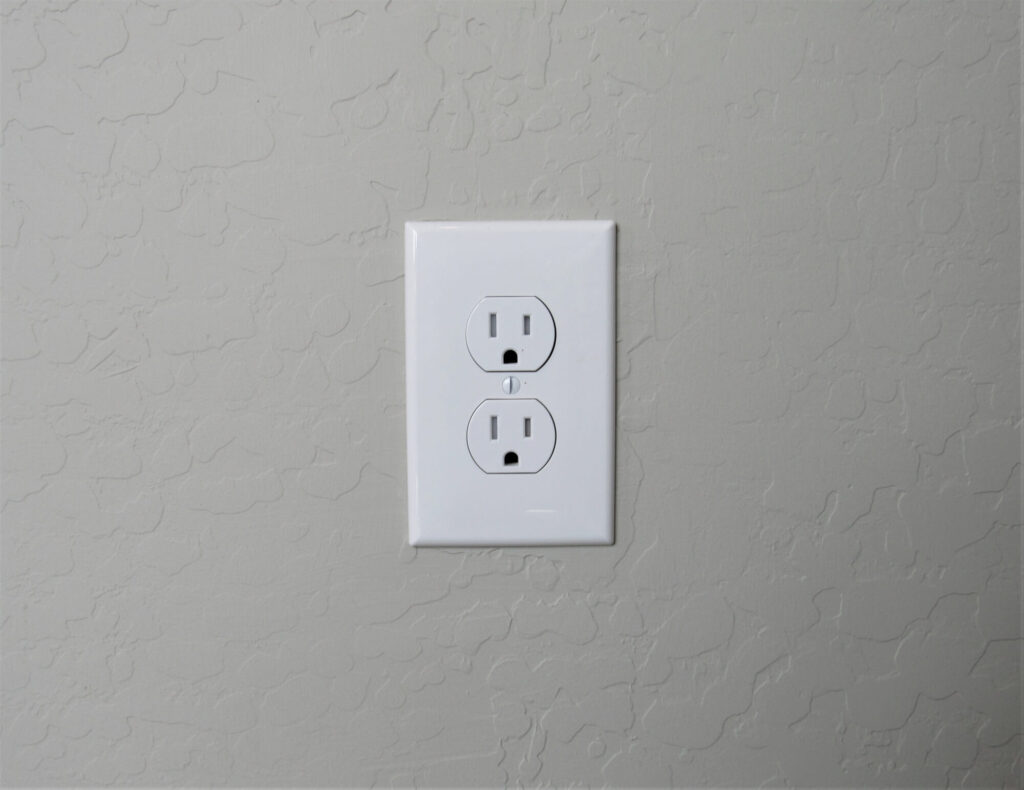
GFCI outlets are one of the most important safety upgrades you can make in your home, and they’re required by code in kitchens, bathrooms, garages, and outdoor areas. Understanding the cost helps you plan your project and budget appropriately.
⚡ Key Takeaways
- GFCI outlet installation typically costs $100–$200 per outlet by a licensed electrician
- One GFCI can protect multiple downstream outlets on the same circuit, reducing total cost
- DIY installation is possible but not recommended in wet locations without electrical experience
- Locations requiring GFCI by NEC code: bathrooms, kitchens, garages, outdoors, basements, and crawl spaces
- Upgrading multiple outlets at once reduces per-outlet cost due to fewer service call minimums
Average Cost to Install GFCI Outlets
The cost to install a GFCI outlet depends on the location, the number of outlets, and whether new wiring is required. Here are typical ranges:
- Single GFCI outlet replacement: $100–$200 installed
- Multiple outlets (same visit): $75–$150 per outlet (lower due to shared service call)
- New circuit with GFCI: $300–$600+ depending on circuit length and panel access
- GFCI outlet alone (materials): $15–$40 for the device
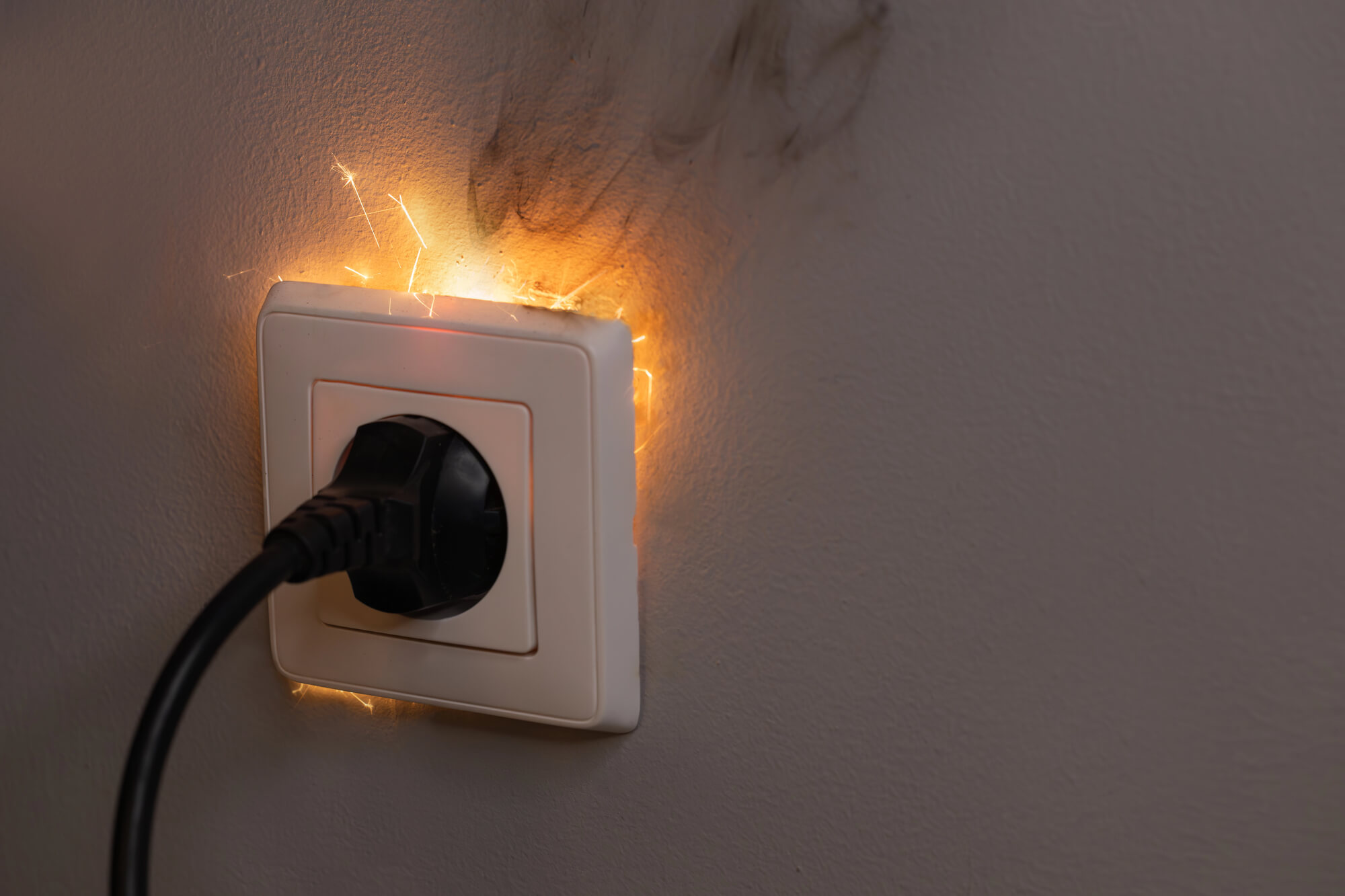
Factors That Affect GFCI Installation Cost
Number of Outlets
Most electricians charge a service call fee plus a per-outlet rate. Installing four outlets in one visit is significantly more cost-effective than four separate visits. If you need GFCI protection throughout your home, schedule all upgrades at once.
Location and Accessibility
Outdoor outlets, basement outlets in finished spaces, or those requiring conduit extensions cost more to install due to additional labor and materials. Straightforward bathroom or kitchen replacements on existing circuits are the least expensive.
Whether New Wiring Is Needed
If you’re adding GFCI outlets in a location that currently has no outlet, new wiring is required. This can add $200–$400+ per outlet depending on how far the wire must run and whether walls need to be opened.
One GFCI Protects Multiple Outlets
A key cost-saving fact: a single GFCI outlet installed at the first outlet in a circuit can protect all subsequent outlets on that circuit “downstream.” Your electrician can wire the LINE terminals for protection of the entire circuit, meaning you may only need one GFCI per circuit rather than one per outlet location.
Where Are GFCI Outlets Required by Code?
The NEC (National Electrical Code) requires GFCI protection in these locations:
- Bathrooms (all outlets)
- Kitchens (countertop outlets within 6 feet of a sink)
- Garages and accessory structures
- Outdoor outlets
- Unfinished basements and crawl spaces
- Boathouses and near swimming pools/spas
- Laundry and utility sinks
Older homes may not have GFCI protection in these areas. Upgrading brings your home up to current safety standards, and is often required when selling a home.
DIY vs. Hiring an Electrician
A simple GFCI outlet replacement in a dry location is within reach of a confident DIYer. The process involves turning off the breaker, identifying the LINE wires, and connecting them to the GFCI’s LINE terminals. However, we recommend hiring a licensed electrician when:
- Installing in wet locations (bathrooms, kitchens, outdoor)
- You’re unsure which wires are LINE vs. LOAD
- The existing box is overcrowded or has aluminum wiring
- You want the protection to extend to downstream outlets (requires correct wiring)
GFCI Protection: Whole-House vs Outlet-Level Solutions
When deciding how to add GFCI protection, you can choose between GFCI breakers installed in the main panel or GFCI outlets installed at the location where protection is needed. Each approach has advantages depending on your circumstances. GFCI breakers protect an entire circuit, so every outlet on that circuit has ground-fault protection. This is the most comprehensive approach and is required by code for bathrooms and kitchen circuits. One GFCI breaker protecting a circuit costs less than installing individual GFCI outlets at each location.
GFCI outlets, conversely, protect only the devices plugged into that outlet and any outlets downstream on the same circuit. They’re useful when you want to add protection to older homes without rewiring circuits or when only certain outlets need protection. You might install a GFCI outlet at a bathroom sink in an older home without replacing the breaker, for example. GFCI outlets are more visible and allow you to test and reset protection directly at the outlet rather than going to the breaker panel.
The best approach often combines both. Install GFCI breakers for permanent circuits that require protection (bathrooms, kitchens, outdoor circuits), and use GFCI outlet protectors for convenience outlets in damp areas or temporary protection for portable tools and equipment. A licensed electrician can evaluate your home’s wiring to determine which combination provides optimal protection given your circuit configuration and the locations requiring GFCI defense.
Frequently Asked Questions
How much does it cost to install a GFCI outlet?
A licensed electrician typically charges $100–$200 per GFCI outlet installed, including labor and the device. Costs drop when multiple outlets are installed in the same visit, often to $75–$150 per outlet.
Can one GFCI outlet protect multiple outlets?
Yes. A GFCI outlet wired to protect downstream outlets (using the LOAD terminals) can protect all outlets further along the same circuit. This is code-compliant and a great way to reduce installation cost.
Do all outlets in a bathroom need to be GFCI?
Yes. The NEC requires GFCI protection for all outlets in bathrooms, regardless of distance from the sink. A single GFCI outlet or GFCI breaker can protect all outlets in the bathroom.
Can I install a GFCI outlet myself?
Simple replacements in dry locations are DIY-friendly for those comfortable with basic electrical work. For wet locations, outdoor areas, or any uncertainty about wiring, hire a licensed electrician for safety and code compliance.
How long does it take to install a GFCI outlet?
A straightforward replacement takes a licensed electrician 30–60 minutes per outlet. If multiple outlets are being upgraded in one visit, the total time is shorter per outlet due to setup being done once.