
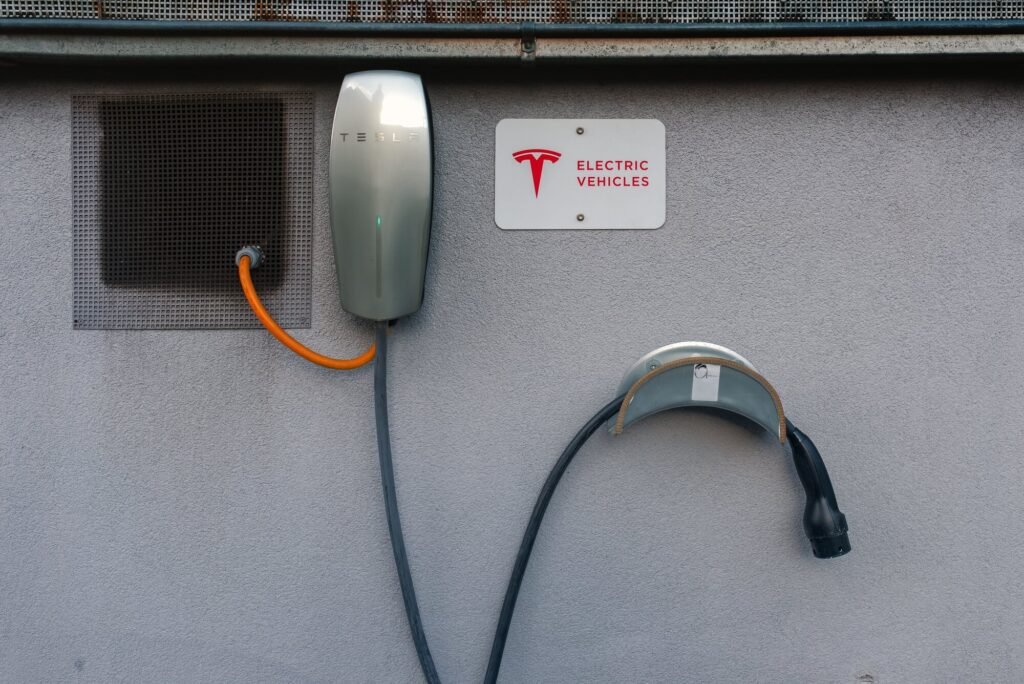
If you’re planning to install a home EV charging station, understanding EV charger permit — the National Electrical Code (NEC) sets the installation standards that permit inspectors use to evaluate EV charger installationss explained is essential before you begin. Many homeowners are surprised to learn that installing an EV charger often requires permits, inspections, and code compliance. Skipping this step can lead to fines, safety risks, or even having to remove the installation.
This guide breaks down when permits are required, how the process works, what it costs, and how to avoid common delays.
⚡ Key Takeaways
- An EV charger permit is official approval from your local building department allowing you to install an electric vehicle charging station at your home.
- In most areas across the United States, the answer is yes—especially for Level 2 chargers.
- The permitting process is usually straightforward when handled correctly.
What Is an EV Charger Permit?
An EV charger permit is official approval from your local building department allowing you to install an electric vehicle charging station at your home. It ensures the installation meets electrical codes and safety standards.
Permits are typically required when:
- Installing a Level 2 charger (240-volt circuit)
- Adding a new circuit to your electrical panel
- Upgrading your panel capacity
- Running new wiring through walls or underground
Level 1 chargers (standard 120-volt outlets) usually do not require permits unless electrical modifications are involved.
Do You Always Need a Permit?
In most areas across the United States, the answer is yes—especially for Level 2 chargers. Local jurisdictions enforce electrical codes based on the National Electrical Code (NEC), and permits ensure compliance.
You will likely need a permit if:
- Your charger draws 30 amps or more
- You are installing a dedicated EV circuit
- Your panel requires upgrades
- The installation involves hardwiring
You may not need a permit if:
- You are plugging into an existing 240V outlet that is already code-compliant
- No electrical changes are required
However, even in these cases, it’s always best to check with your local authority.
How the EV Charger Permit Process Works
The permitting process is usually straightforward when handled correctly. Here’s what to expect:
- Application Submission: Your electrician or contractor submits plans to your local building department.
- Plan Review: The authority checks compliance with electrical codes.
- Permit Issuance: Once approved, work can begin.
- Installation: The charger and wiring are installed.
- Inspection: A final inspection ensures everything meets code requirements.
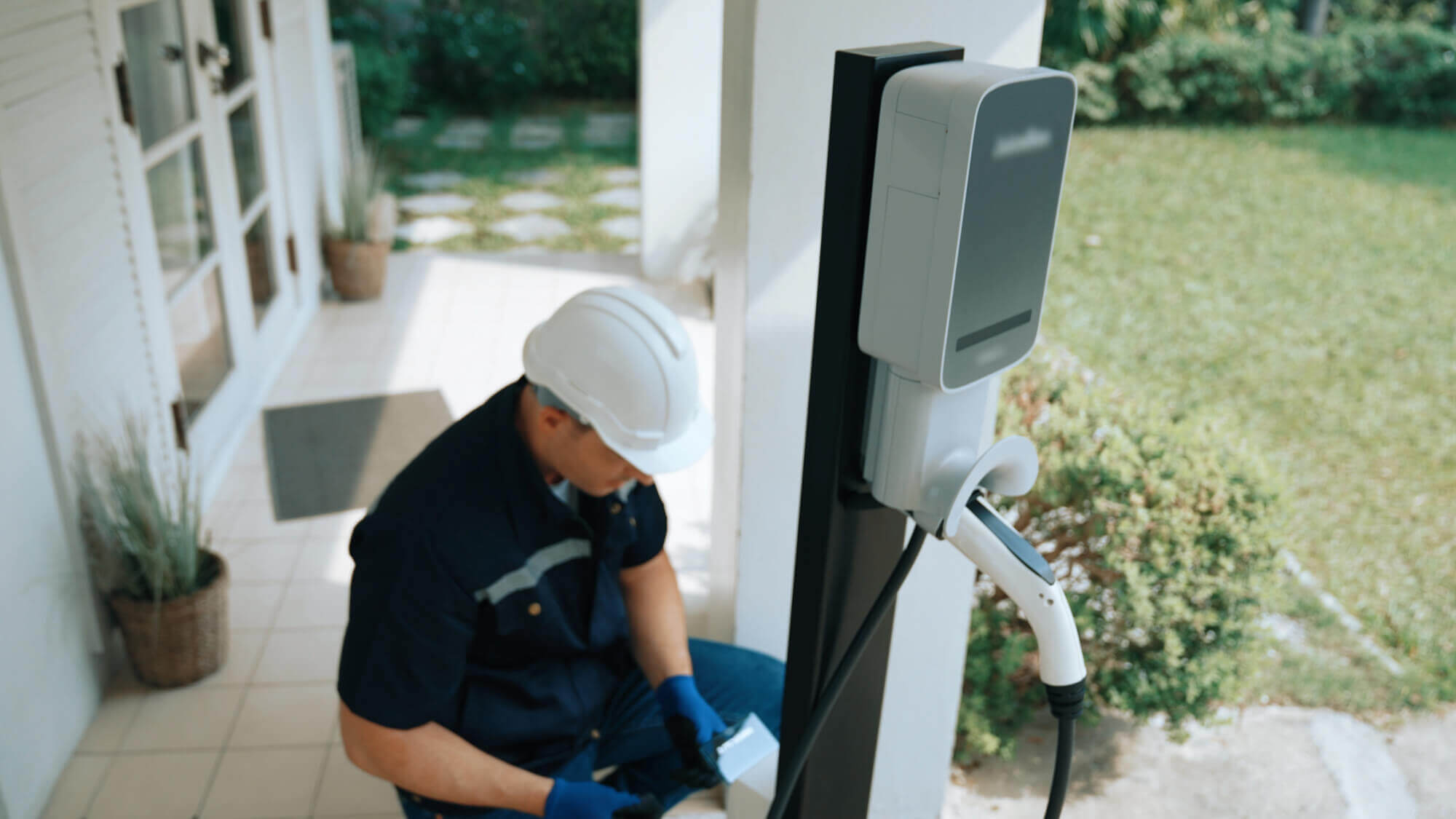
Most professional electricians will handle this entire process for you.
How Much Do EV Charger Permits Cost?
Permit costs vary depending on your location, but homeowners can typically expect:
- Basic permit fees: $50–$200
- Inspection fees: Often included or $50–$150
- Plan review fees: May apply in some areas
In some cases, utilities or local programs offer rebates that cover permit costs.
Total Installation Costs Including Permits
When factoring in permits, the total cost of installing a Level 2 EV charger typically ranges from:
- $500–$1,200 for simple installations
- $1,200–$3,000+ if panel upgrades are required
Permits are a small portion of the overall cost but are essential for safety and compliance.
Navigating permits doesn’t have to be stressful. Our EV installation team handles all permitting and inspections — you just enjoy the charging.
Common Permit Issues and How to Avoid Them
Delays and problems often happen when homeowners or contractors overlook key details.
Incorrect Electrical Load Calculations
If your panel cannot handle the additional load, your permit may be denied. A licensed electrician should perform a load calculation before applying.
Incomplete Applications
Missing diagrams, specifications, or paperwork can delay approval. Always ensure the submission is complete.
Unlicensed Installers
Many jurisdictions require licensed electricians for permitted work. Hiring unlicensed contractors can result in failed inspections.
Code Violations
Improper grounding, incorrect breaker sizes, or unsafe wiring will fail inspection and require costly corrections.
Troubleshooting Permit Delays
If your EV charger permit is taking longer than expected, here are some practical steps:
- Check application status: Contact your local building department for updates
- Review submitted documents: Ensure all required plans were included
- Confirm contractor licensing: Verify credentials if applicable
- Ask about expedited options: Some areas offer faster processing for an additional fee
Working with an experienced electrician significantly reduces the risk of delays.
What Happens If You Skip a Permit?
Skipping permits may seem like a shortcut, but it can lead to serious consequences:
- Fines or penalties from your local authority
- Failed home inspections when selling your property
- Insurance claim denials for electrical fires
- Mandatory removal or reinstallation of the charger
Permits protect both your home and your investment.
Do EV Charger Permits Affect Installation Time?
Yes, permits can add time to your project, but typically not much:
- Permit approval: 1–10 business days
- Installation: 1 day
- Inspection scheduling: 1–5 days
In many areas, the entire process can be completed within 1–2 weeks.
Tips for a Smooth EV Charger Installation
- Hire a licensed electrician familiar with EV installations
- Confirm permit requirements before starting
- Choose the right charger for your electrical capacity
- Plan installation location for minimal wiring costs
- Ask about rebates and incentives
These steps can save you time, money, and frustration.
Call 855-436-0065 for Immediate Assistance
FAQ
Do I need a permit for a Level 2 EV charger?
Yes, in most areas a permit is required because a Level 2 charger uses a 240-volt circuit and often requires new wiring or panel modifications.
How long does it take to get an EV charger permit?
Approval typically takes between 1 and 10 business days, depending on your local jurisdiction and application completeness.
Can I install an EV charger without an electrician?
While technically possible in some areas, most jurisdictions require a licensed electrician for permitted electrical work to ensure safety and compliance.
Will a permit increase the cost of EV charger installation?
Yes, but only slightly. Permit fees usually range from $50 to $200 and are a small portion of the total installation cost.
Common Permit Violations and How to Avoid Them
The most common EV charger installation violations occur when homeowners attempt unpermitted DIY installation or hire unlicensed contractors trying to save money by skipping the permit process. These violations create liability and safety hazards that persist long after the installation is complete.
Unpermitted EV charger installations often fail to properly size wiring for the circuit amperage, leading to overheating and fire risk. They may lack proper disconnects or emergency shutdown capability, making it impossible to isolate the charger for maintenance or in an emergency. Grounding and bonding may be incomplete or improper, increasing electrocution risk. Finally, unpermitted installations are not documented in the home’s electrical records, creating problems when selling the home or filing insurance claims.
To avoid these violations, hire a licensed electrician experienced with EV charger installation. The electrician will obtain the permit, schedule inspections, ensure the installation meets all code requirements, and provide documentation that protects your home’s resale value and insurance coverage. While the permit adds cost and time, it prevents far more expensive problems down the road. Insurance companies frequently deny claims for EV charger fires or electrocution incidents resulting from unpermitted installation, leaving homeowners responsible for the full cost of damage, injury claims, or property loss.
What Happens If You Install an EV Charger Without a Permit?
While it might be tempting to install an EV charger DIY or hire a contractor to skip the permitting process to save time or money, doing so creates serious legal and financial consequences. The most immediate risk is insurance: if an unpermitted EV charger causes a fire or electrical damage, your homeowners insurance may deny coverage entirely, leaving you responsible for tens of thousands of dollars in repairs. Insurance companies often conduct title searches and review permit records during claims investigations; they will discover unpermitted work and use it as grounds for claim denial.
The second major consequence emerges when you sell your home. Permit records are public information that home buyers and their inspectors can access through municipal records. If unpermitted work is discovered, you must either remove the charger and restore the wall, hire a licensed electrician to pull a retroactive permit and pass inspection (cost: $150–$400 depending on jurisdiction plus electrician fees), or disclose the unpermitted work in the listing—which often kills the sale or causes significant price reduction. Some lenders and title companies won’t close on a home with unpermitted electrical installations. Additionally, code violations discovered by inspectors after installation may require you to bring the system into compliance at additional cost. Pulling a permit is relatively inexpensive (typically $100–$200) and takes a few days; the cost of not getting a permit can be catastrophic when a fire or sale occurs. Always hire a licensed electrician who will pull the proper permits and ensure your EV charger installation meets local codes.