
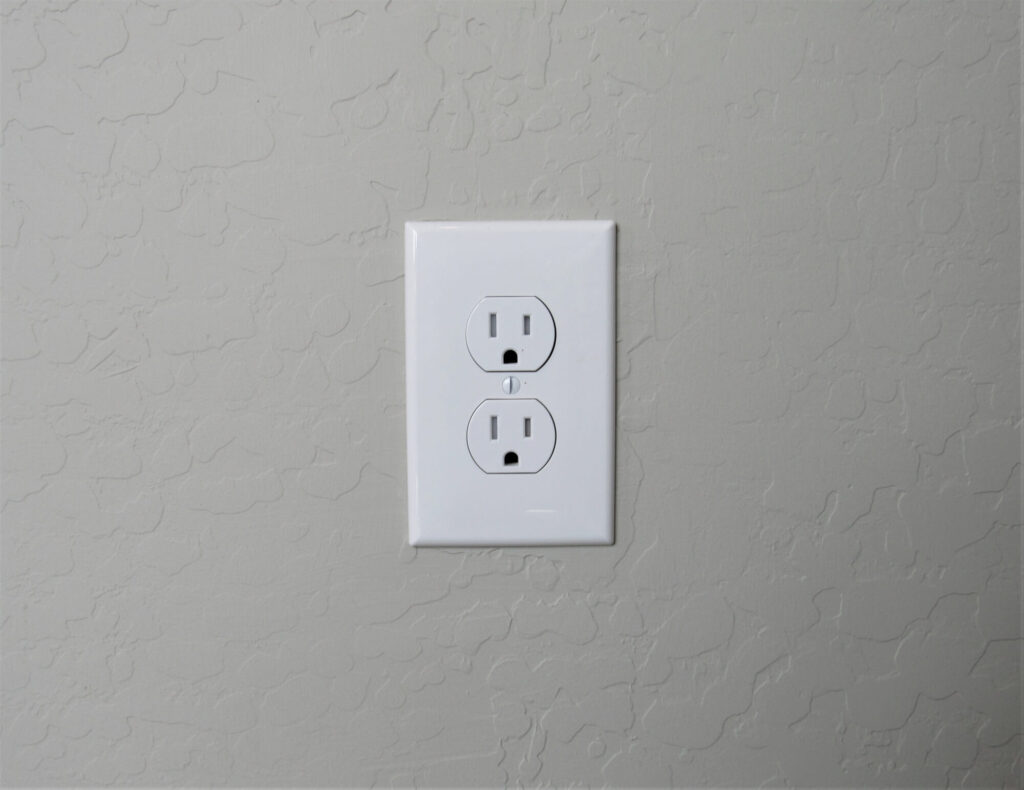
Adding electrical outlets to your home improves convenience, reduces reliance on extension cords, and brings older rooms up to modern standards. Whether you need outlets in a garage, home office, basement, or kitchen, a licensed electrician can assess your panel capacity and install outlets safely to code. This guide covers how the process works, what it costs, and what to consider before starting.
Contents
⚡ Key Takeaways
- Homes built before the 1980s often have far fewer outlets than modern households need.
- Adding a new outlet involves running new wiring from an existing circuit or a new circuit at the panel, connecting it to a new outlet box, and installing the outlet with a cover plate.
- The cost per outlet depends on location, existing wiring, and whether a new circuit is required:
Why Add More Electrical Outlets?
Homes built before the 1980s often have far fewer outlets than modern households need. Running multiple extension cords or power strips isn’t just inconvenient — it can be a fire hazard if those strips are overloaded — a risk the U.S. Consumer Product Safety Commission (CPSC) cites as one of the most common causes of preventable home electrical fires. Adding properly wired outlets eliminates the need for workarounds and ensures your home meets current electrical code requirements.
How Adding Outlets Works
Adding a new outlet involves running new wiring from an existing circuit or a new circuit at the panel, connecting it to a new outlet box, and installing the outlet with a cover plate. In finished walls, this often requires fishing wire through wall cavities — a skill that requires experience to do neatly. In unfinished basements and garages, wiring can be run in conduit along walls and is simpler to install.
Cost to Add Electrical Outlets
The cost per outlet depends on location, existing wiring, and whether a new circuit is required:
- Standard outlet on existing circuit (easy access): $100 – $250
- Standard outlet through finished wall (wire fishing required): $200 – $400
- GFCI outlet (required in kitchens, baths, garages, outdoors): $150 – $350
- New dedicated circuit with outlet (for appliances): $300 – $700
- 240V outlet (for EV charger, dryer, range): $300 – $800
Where GFCI Outlets Are Required
The National Electrical Code requires GFCI-protected outlets in areas where water is present or likely. These locations include:
- Kitchens (within 6 feet of a sink)
- Bathrooms
- Garages and carports
- Outdoor locations
- Unfinished basements and crawl spaces
- Within 6 feet of a wet bar or laundry sink
How Many Outlets Can Be on One Circuit?
Most 15-amp circuits can safely support 8–10 outlet locations. However, high-draw areas like kitchens, home offices, and garages often benefit from dedicated circuits to prevent overloads. An electrician can assess whether your existing circuits have capacity for additional outlets or whether a new circuit is needed.
When to Hire a Licensed Electrician
Adding outlets always requires a licensed electrician. Even what seems like a simple task — connecting to an existing circuit — involves work inside your electrical panel and must meet local code requirements. A licensed electrician will ensure the new outlets are properly grounded, GFCI-protected where required, and safely connected to a circuit with adequate capacity.
Frequently Asked Questions
Can I add outlets myself?
In most jurisdictions, electrical outlet installation requires a licensed electrician and a permit. DIY electrical work without a permit can void your homeowner’s insurance and create safety hazards. Always hire a licensed professional.
How long does it take to add outlets?
Adding one or two outlets on an existing accessible circuit typically takes 1–2 hours. Fishing wire through finished walls or running a new circuit takes longer — usually 2–4 hours per outlet location in finished spaces.
Do I need a permit to add an outlet?
Yes, in most jurisdictions. Electrical permit requirements apply to new outlet installations. A licensed electrician handles permit procurement as part of the job.
Can I replace a two-prong outlet with a three-prong outlet?
Yes, but it must be done correctly. If your home doesn’t have grounded wiring at the outlet location, a GFCI outlet can be used as a code-compliant replacement — but a licensed electrician should make this assessment and perform the replacement.